When PRIA (Participatory Research in Asia) was founded in 1982, it carried a bold vision to democratize knowledge and strengthen citizen participation. From the outset, gender was never treated as an add-on. The belief was clear that true democracy cannot exist without equity. That meant dismantling patriarchal structures and ensuring women, young girls, non-binary individuals, and marginalized communities and genders were at the centre of change.
Over the last 44 years, this conviction has guided PRIA’s journey, weaving gender into every strand of its work, whether in governance, health, education, or urban development, as part of its commitment to gender mainstreaming.
Gender Mainstreaming in Local Governance and Leadership
This philosophy soon found expression in villages and towns across India. Women elected to Panchayati Raj Institutions and urban local bodies often faced silence imposed by patriarchal norms. Reservations had opened doors, but confidence and agency were still missing. Through PRIA’s training, peer forums, capacity-building and rights awareness, many of these women began to speak, to lead, and to demand recognition.
Slowly, spaces of governance shifted from being male-dominated to more representative of diverse voices through sustained gender mainstreaming efforts.
Gender Mainstreaming in Urban Development and Basic Services
As India’s cities expanded, new challenges emerged. Women and marginalized groups were frequently excluded from housing, sanitation, and safe mobility.
Linking gender equity to urban governance became essential. Community members and elected representatives were trained to prepare Water Security Plans and lead sanitation campaigns, ensuring women’s voices shaped solutions to everyday problems as part of community-level gender mainstreaming.
These efforts showed that equity is not abstract but it is lived in the daily realities of water, safety, and mobility.
Gender Mainstreaming Within Civil Society Organisations
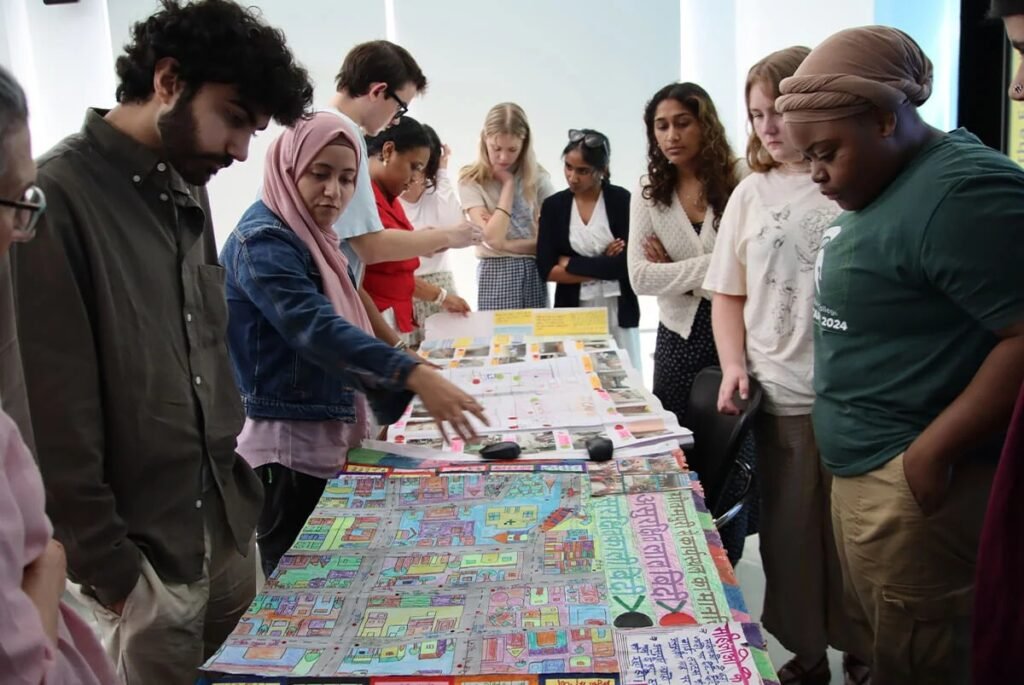
Beyond governance, the journey extended into civil society. Organizations were encouraged to look inward, to question their own structures, and to adopt inclusive practices. Participatory research became a powerful tool here, centering the voices of women, youth, SC/ST communities, and the urban poor.
By co-creating knowledge, gender equity was embedded into the very fabric of social transformation, not treated as an afterthought.
Changing Mindsets Through Gender Mainstreaming Initiatives
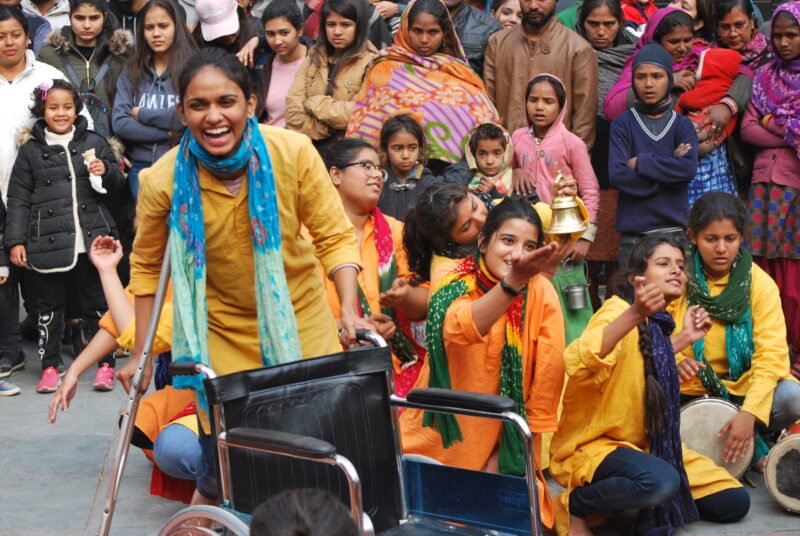
Changing structures was only part of the story, equally important was changing mindsets. Programs like Unlearning Patriarchy invited communities and organizations to reflect on the stereotypes and practices that perpetuate inequality as part of deeper gender mainstreaming journeys.
These were not prescriptive training but collective journeys of learning, where individuals discovered their own power to influence change. Reflection and dialogue opened spaces for new narratives of equality to emerge.
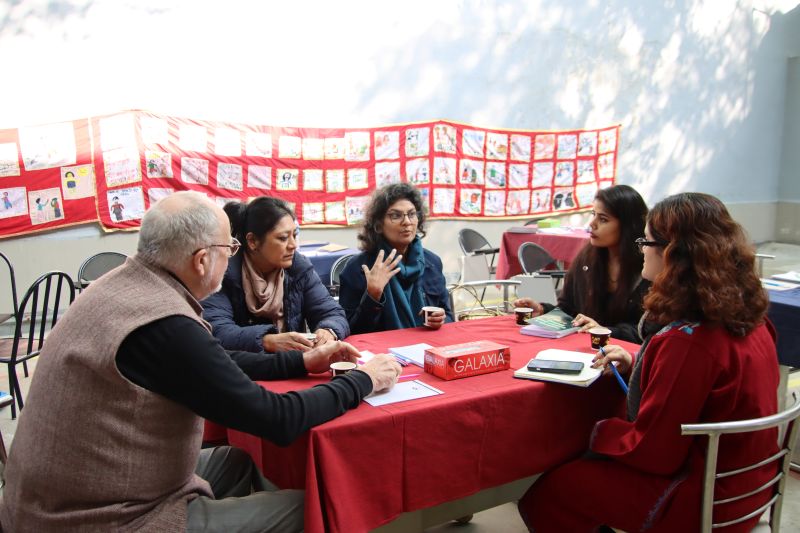
More Reads: Reflections from an Arts-Based Learning Circle at PRIA, India
Keeping Gender Still on the Agenda Through Gender Mainstreaming
Bringing these threads together, the initiative Gender Still on the Agenda reminded policymakers, practitioners, and communities that equity must remain central to development.
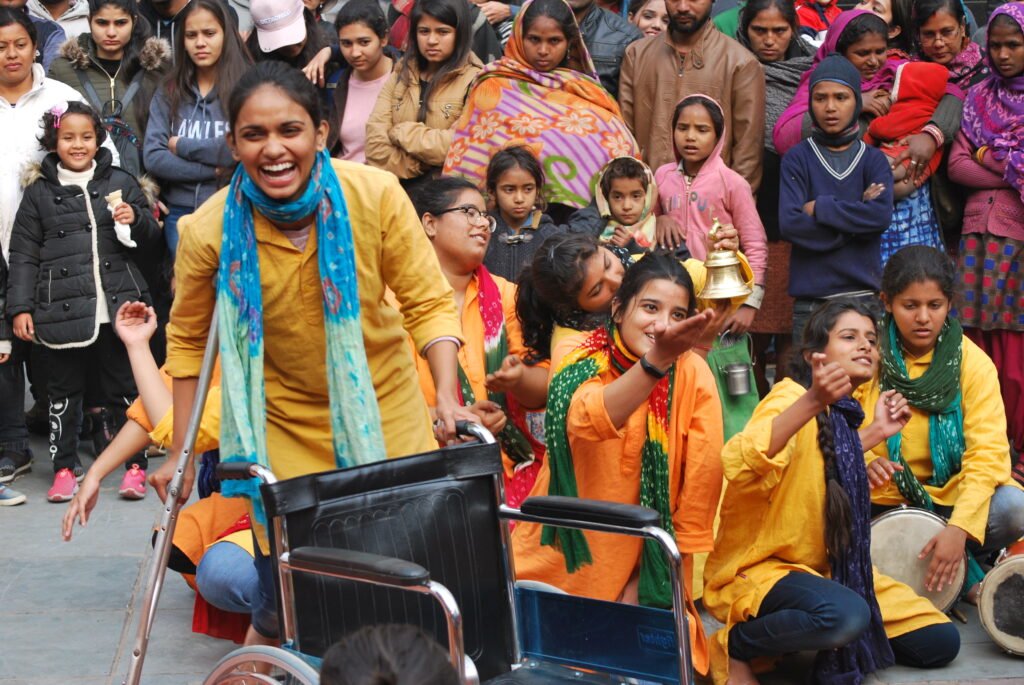
Projects such as skill-building and technical training for girls, education and empowerment initiatives, support for domestic workers in Gurgaon (Sapne Mere, Bhavishya Mere), and MobiliseHer for gender-responsive mobility systems PRIA addressed structural barriers that limit women’s opportunities in education, work, and urban life.
These efforts combined participatory approaches with advocacy, ensuring that women and marginalized groups were not just recipients of change but active agents shaping it.
Building Institutional Capacity Through Gender Mainstreaming Training
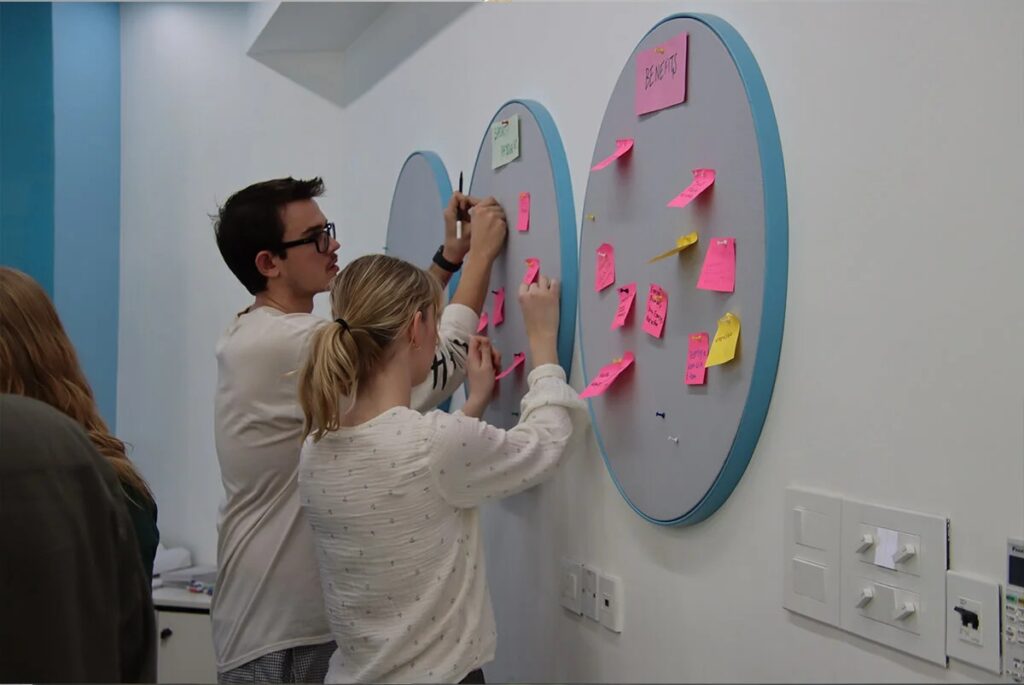
Transformation also required institutions to evolve. Through structured training programs, PRIA International Academy embedded gender sensitivity into courses for government officials, development professionals, and grassroots leaders, strengthening institutional gender mainstreaming practices.
Using participatory methodologies, these trainings encouraged organizations to adopt inclusive practices in their structures and cultures.
Gender Audits as Tools for Gender Mainstreaming
A key instrument in this process has been gender audits. These audits examine whether women and marginalized groups have equal access to opportunities, leadership roles, and decision-making spaces.
They assess policies, workplace culture, and representation, while pairing findings with capacity-building workshops to ensure action follows assessment. By connecting audits to broader advocacy, lessons learned have fed into policy debates on workplace equity and governance reforms. In this way, inclusion becomes systemic rather than tokenistic.
More Reads: Transformative Pedagogy in Content and Process: PRIA’s Cross-Border Work with HEIs
The Future of Gender Mainstreaming at PRIA
As India and the world continue to grapple with persistent inequalities, PRIA’s work has evolved from confidence-building and rights awareness in the 1990s, to campaigns against discrimination in the 2010s, and now to digital, continuous, and inclusive learning systems in the 2020s rooted in gender mainstreaming.
Across this trajectory, the organization has remained steadfast in its belief that gender justice is not a separate agenda but the foundation of democratic, participatory, and sustainable development.
Final Thoughts
If you feel inspired to be part of this journey, PRIA welcomes you to reach out, share your ideas, and collaborate. Whether you are an individual, a community group, or an institution, connecting with PRIA means joining a movement that keeps Gender Still on the Agenda.
You can explore more through www.pria.org or write to pia@pria.org, because change begins when we come together to imagine and act for a more inclusive future. To be part of training and capacity-building programs on gender, or to help your organisation integrate gender, contact us at PRIA International Academy.