
Young people are often at the centre of conversations about education, employment, public spaces and community development. Yet they are not always part of the conversations themselves. Youth participation changes this by creating meaningful ways for young people to contribute to decisions that affect their lives.
What Is Youth Participation?
Youth participation means the meaningful involvement of young people in decisions, activities and institutions that affect them and their communities.
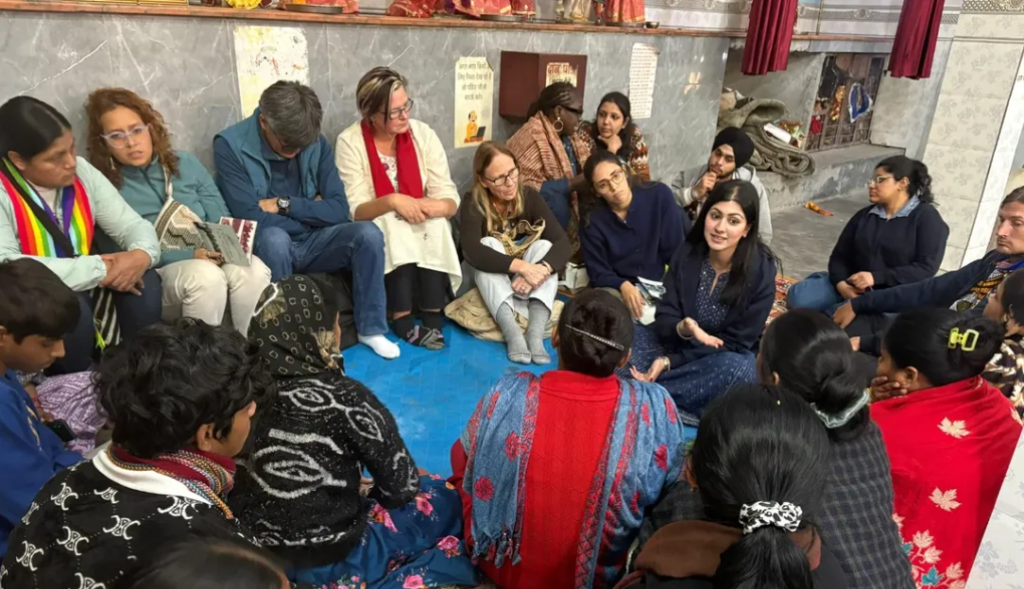
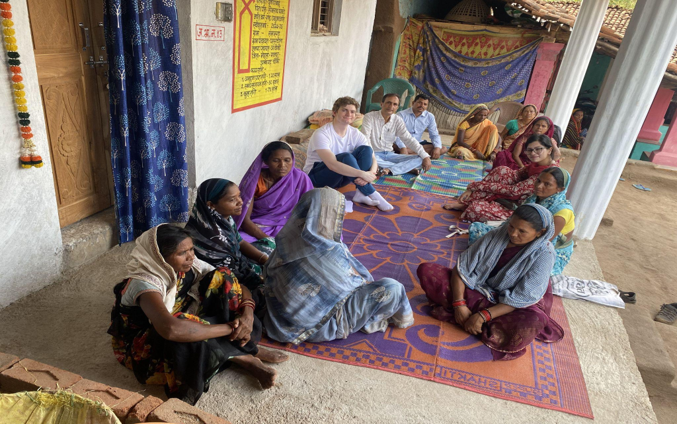
It can happen in many ways. Students may contribute to decisions within their school or college. Young residents may raise neighbourhood concerns with local authorities. Others may participate through youth groups, community research, volunteering, campaigns or advisory bodies.
But participation is more than inviting a few young people to attend a meeting. They need to understand what is being discussed, feel comfortable expressing disagreement and, importantly, know that their contribution can influence what happens next.

Why Does Youth Participation Matter?
Consider a programme designed to improve employment opportunities for young people. Adults may decide what training should be offered, when sessions should take place and what support participants need.
Young people themselves might point out something completely different: perhaps the training does not match available jobs, timings clash with college, or travel costs make attending difficult.
Without their perspective, even a well-intentioned programme can miss important realities.
Youth participation helps institutions understand these experiences. It can also help young people develop skills in communication, problem-solving, leadership and collective decision-making while becoming more engaged with their communities.
How Does Youth Participation Work?
Participation can happen through student councils, youth clubs, advisory groups, community meetings, local governance forums and participatory research. Young people might help identify an issue, gather information, suggest solutions, plan an activity or review whether an initiative has worked.
For participation to be meaningful, however, adults and institutions must be willing to share some decision-making power. Young people may also need information, mentoring and opportunities to develop skills so they can participate with confidence.
A useful question is: What are young people actually being allowed to influence? If every important decision has already been made, participation can easily become symbolic.
What Does Youth Participation Look Like in Practice?
A youth council might identify the need for safer public spaces and present recommendations to local authorities. Students could work with teachers to improve school policies. Young people might conduct community research on employment, education or public services and use their findings to start conversations with decision-makers.
Key Takeaway
Youth participation means recognising young people as contributors, not simply beneficiaries. When their experiences and ideas genuinely influence decisions, participation can strengthen both the programmes created for young people and their engagement with community life.
Explore PRIA International Academy’s learning resources to understand how youth participation connects with participatory governance, community engagement and youth-led change.