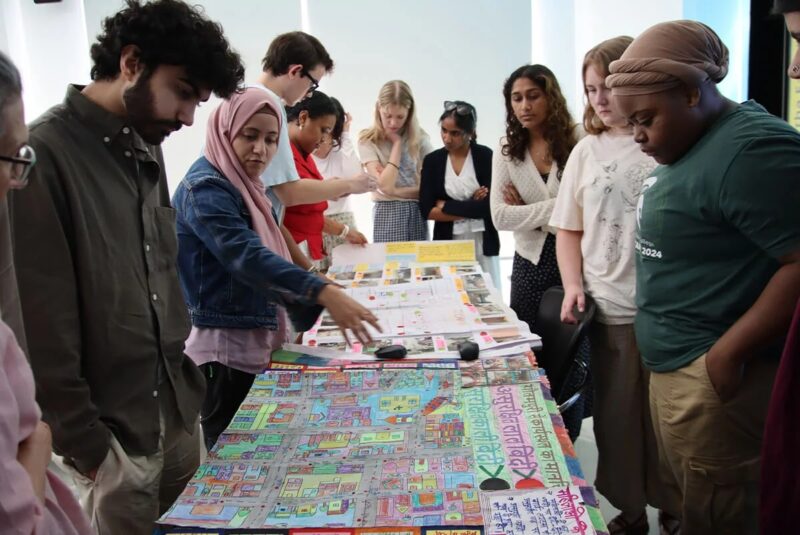
Just a few days after I joined PRIA, I walked into a Learning Circle on Arts-Based Research Methodology. Though I was familiar with the methodology, I still expected to learn about new tools and methods. What I did not anticipate was how an informal setting can go deeper and unsettle some of the assumptions about research, knowledge, and what it truly means to listen to others.
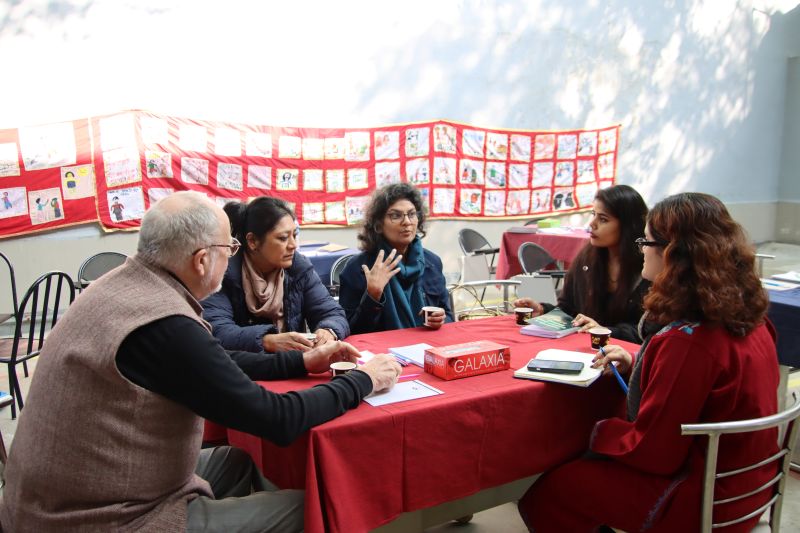
The Learning Circle format included professionals working in the sector from across India, along with several international participants. The day began gently, in an open space. The facilitators invited the participants to introduce themselves, not only by name and affiliation, but by sharing one thing that gives them hope. As responses moved from sunlight, music, and nature to moments of despair and uncertainty, the room quickly became more than a professional gathering. It became an effective and inclusive space where emotional honesty was not only permitted but valued.
This opening exercise set the tone for the day, reminding me that research is never neutral and that the people who conduct it carry their own vulnerabilities into the field. Arts-based research methodology invites such reflexivity as an essential component of knowledge creation.
Diverse Stories and Experiences
Stories were shared from different contexts, reflecting the diverse kinds of work participants were engaged in. The Learning Circle was designed to deepen our understanding of arts-based research as an alternative, participatory way of generating knowledge, especially in spaces where conventional methods often fall short. One thing that stayed with me the most was how arts-based methodologies create room for expression.
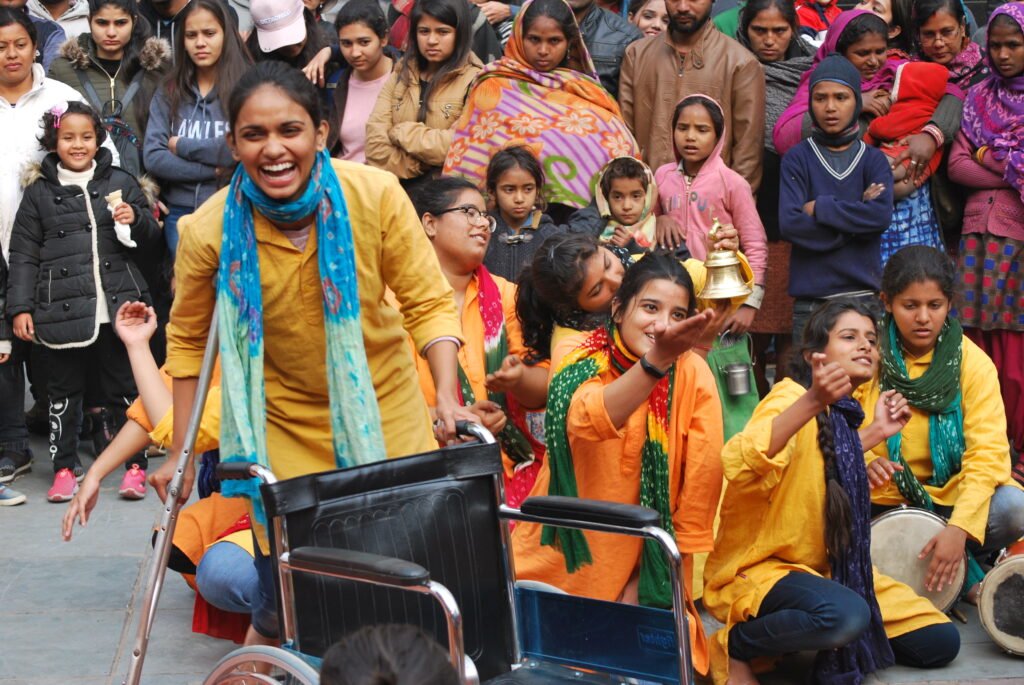
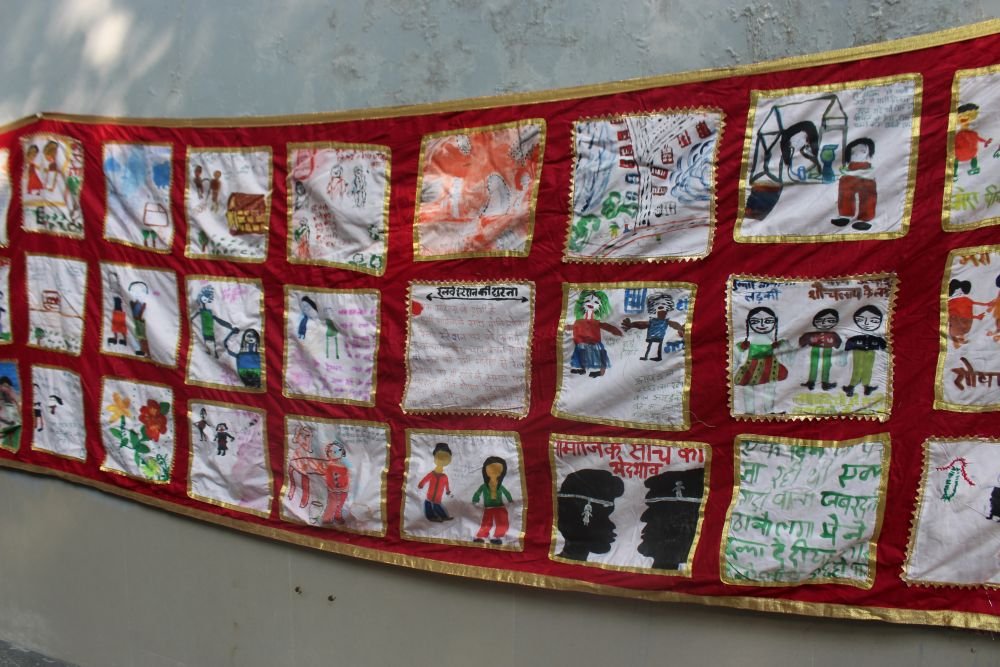
Hearing the experiences of violence shared by domestic workers, alongside examples of communities in Uganda using theatre and role-play to reflect on COVID-19 lockdown realities, demonstrated how art can hold pain, resistance, and hope simultaneously. It was not just research but a way where ownership takes place and transforms data into something rational and alive.
Learning Through Photovoice
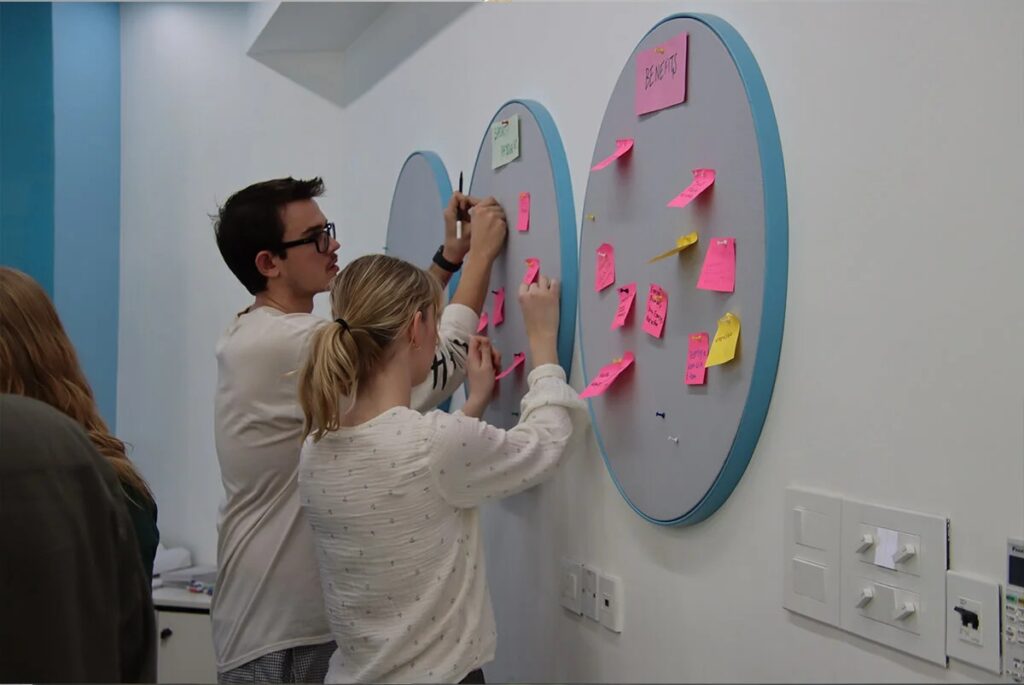
To explain what Photovoice method is, a small activity was conducted where participants were asked to capture an image that represents hope to them. The group exercise showed how interpretations are never singular. A plant, PRIA office signage, a library image, even a three-legged dog became symbols layered with resilience, scarcity, care, and survival.
I was struck by how easily we assume we understand what others intend to convey, and how much deeper our insights become when we pause to listen attentively rather than rush to interpret one of the core principles in arts-based research methodology.
Ethics and Facilitation in Arts-Based Methods
From my personal experience, I understood that although arts-based methods are deeply powerful, they are not inherently emancipatory. Their impact depends entirely on how ethically and skilfully they are facilitated. This challenged my earlier assumptions about creative approaches.
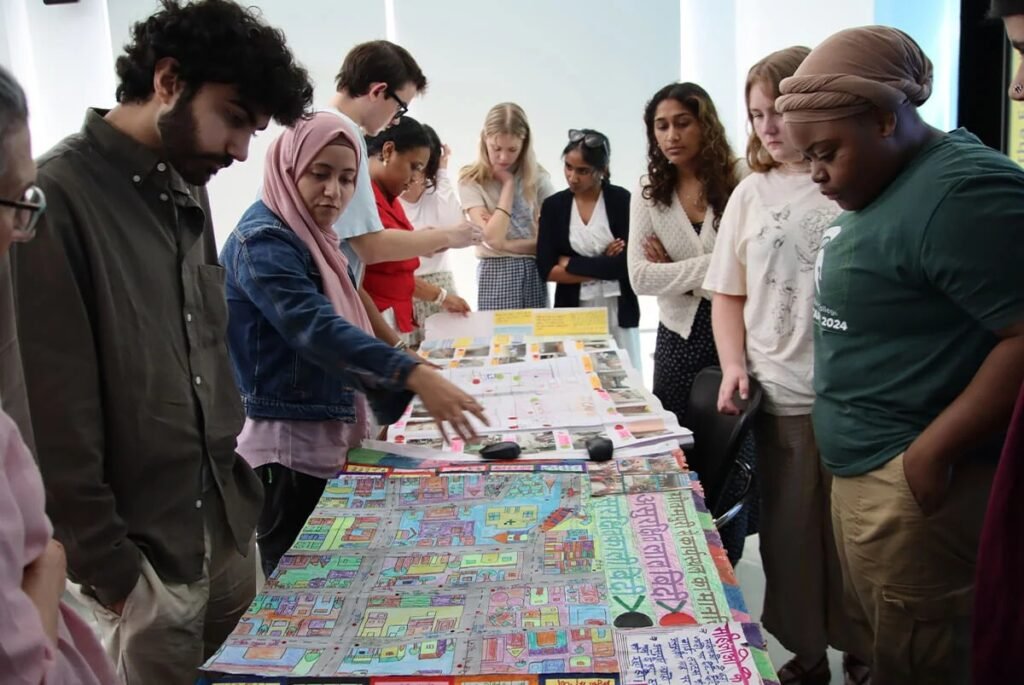
For instance, when we heard about women domestic workers documenting experiences of violence through a collectively created saree, it was clear that the method worked not simply because it was art, but because it created a safer alternative to verbal disclosure which allowed women to express, protect themselves, and still retain ownership over what they chose to share.
Similarly, the use of theatre and role-play in Uganda showed how participation, consent, and emotional safety could be built through a process that was dialogic rather than confrontational highlighting how arts-based research methodology can be applied in diverse, sensitive contexts.
Key Takeaways on Arts-Based Research
I came away with a clearer understanding that arts-based research demands emotional literacy, trauma-informed practice, and humility, especially in settings where we enter communities as outsiders.
1. Learning Circles as Transformative Spaces
As the session ended, it became clear to me that PRIA’s learning circles are more than training programmes. They are intentionally held spaces for dialogue, reflection, and collective inquiry, where practitioners, researchers, and educators from diverse contexts pause, question dominant ways of knowing, and learn alongside one another. It gave me a renewed sense of responsibility as a researcher and practitioner.
2. A Unique Opportunity for Participatory Learning
For anyone seeking research practices that are grounded, participatory, and deeply human, PRIA’s Learning Circles offer something unique. They invite you to listen beyond words and imagine more just and creative ways of producing knowledge.
What made my experience even more meaningful was meeting people from diverse contexts, across sectors, geographies, varied languages, and lived realities which turned the Learning Circle into not just a space for learning, but also for shared reflection, connection, and networking. Arts-based research methodology lies at the heart of this transformative experience.
This experience reaffirmed the value of shared learning spaces, and why I would return to them again.