What is Active Citizenship?
At PRIA, we see it when a village Gram Sabha moves beyond formality to conduct a real social audit, or when urban collectives demand dignity in housing and sanitation. It is the transition from being a passive “beneficiary” to a rightful claimant.
For 44 years, we have championed this as Participatory Governance. Whether through monitoring public works or engaging elected officials, active citizenship is the “connective tissue” that ensures institutions remain accountable.
Why Active Citizenship is Used?
Governance systems, however well-designed on paper, do not function well without citizens who are willing and able to engage with them.
PRIA’s four decades of work at the interface of citizens and local institutions have consistently returned to the same observation: when communities are active participants in planning, budgeting, and accountability processes, outcomes improve.
When they are passive recipients, even the best-resourced schemes underdeliver.
Active citizenship matters because accountability is not self-enforcing. Elected representatives respond to organised, informed citizens who track what was promised and what was delivered.
When & Where Active Citizenship is Applied?
At PRIA, we’ve learned that active citizenship doesn’t live in a manifesto – it lives in the streets, the fields, and the community halls.
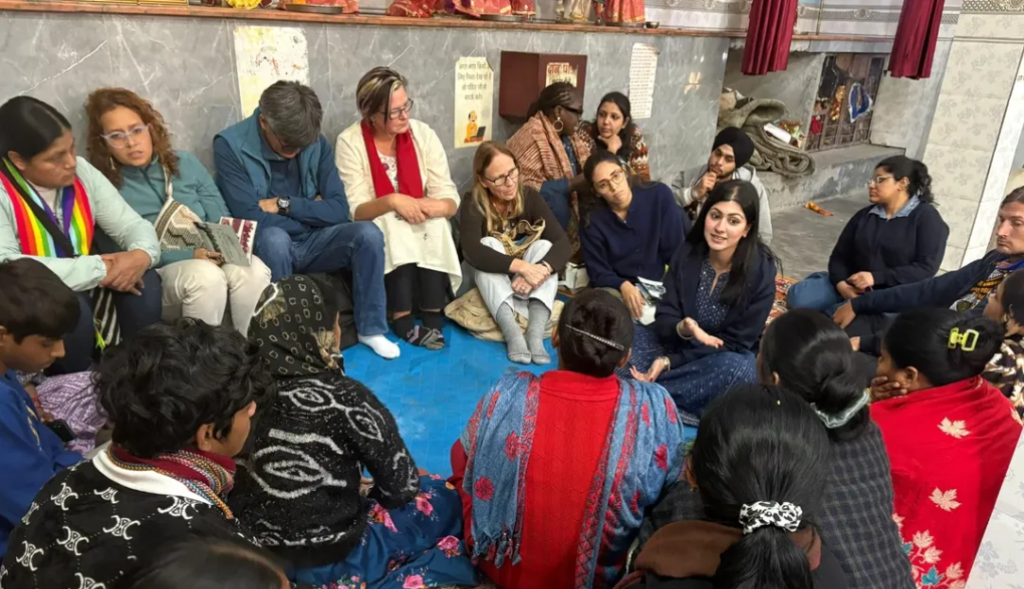
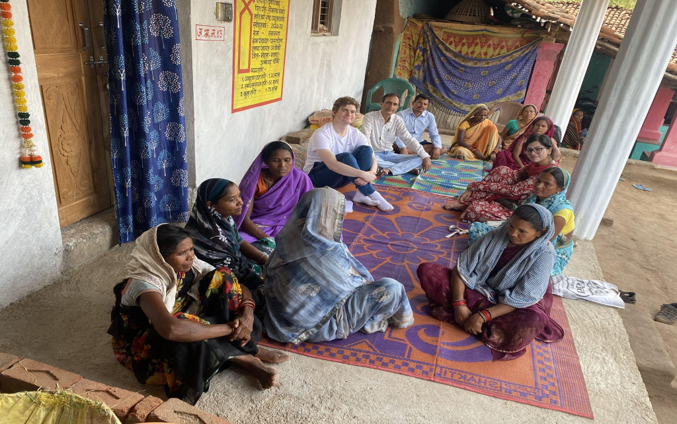
In the village where we’ve worked since the 1980s, active citizenship isn’t an abstract concept – it’s a Gram Sabha where the back row stands up to speak. It’s a group of neighbors conducting a social audit, physically measuring the quality of a new road to ensure the budget was spent honestly.
In the informal settlements and growing wards of our cities, citizenship looks like the “Engaged Citizens, Responsive City” model. It’s the formation of settlement-level committees that allow residents to map their own infrastructure, showing the municipality exactly where sanitation and housing gaps are.
How Active Citizenship Works?
Active Citizenship involves individuals taking proactive responsibility for their communities and democracy through engagement, voluntary action, and advocacy.
Awareness comes first: It’s about a mother in a basti or a farmer in a distant village understanding exactly which office holds the budget for their water, and who is accountable when the taps run dry.
When people have the facts, they stop being “beneficiaries” waiting for a handout and start being rightful claimants of their own future.
Knowledge without a place to use it only leads to frustration. We’ve spent years pushing for Participatory Spaces, ensuring that Gram Sabhas aren’t just paper formalities and that Ward Committees actually have chairs for the marginalized.
Active citizenship can’t breathe if the doors to local governance are locked. We work to unlock those doors so that the “invited spaces” of government become “claimed spaces” for the people.