I had arrived in India from Ireland with a sense of nervous excitement underpinning a medley of preconceptions. This trip marked the culmination of my Master’s study in Development Practice.
Several months earlier, I had applied for an internship with PRIA to support the DECODE Knowledge Project, which explores how local and indigenous knowledge can contribute to addressing development challenges—an area that had also become the focus of my dissertation. The opportunity to explore both this field of research and a country that had long occupied an almost mythical status in my imagination was one I could not pass up.
The specific topic I had chosen to study was how communities perceive and experience development interventions, and how these experiences may shape the conditions underlying knowledge integration. I therefore planned to conduct qualitative interviews with community members during my time at PRIA.
The organisation arranged a field visit to rural communities surrounding Raipur, a city whose name I had heard for the first time when informed of the visit. I was therefore about to undertake unfamiliar work in an unfamiliar place, all in pursuit of the data needed to complete a demanding year of study. My wish to move beyond familiar boundaries had truly been granted.
The Visit
Day 1
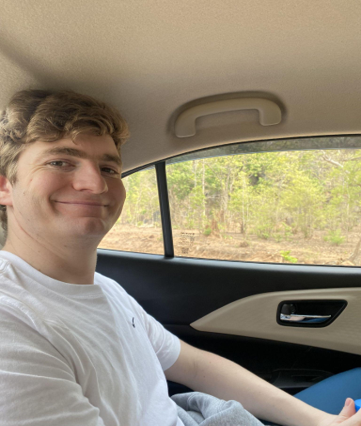
The interviews were conducted in collaboration with an organisation called Samarthan as part of its programme aimed at empowering forest communities. The car journey to the first destination offered my first glimpse of life in rural India. Passing through villages, I noted the noise, bustle, and enterprise—a stark contrast to sleepy rural Ireland. The groups of cattle wandering along the roads provided an anchor of familiarity within an otherwise alien scene.
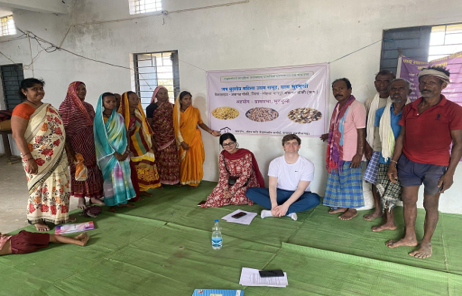
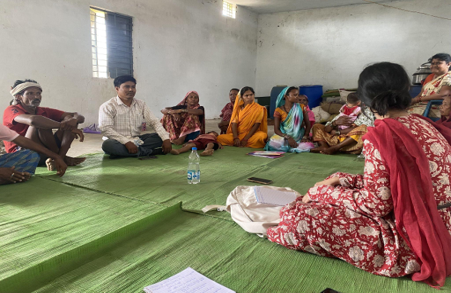
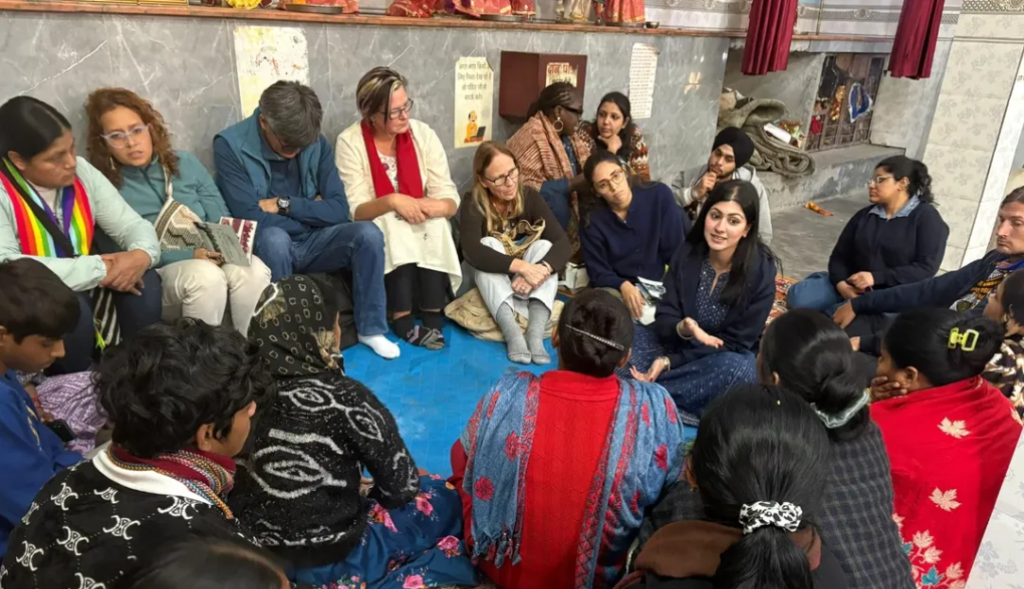
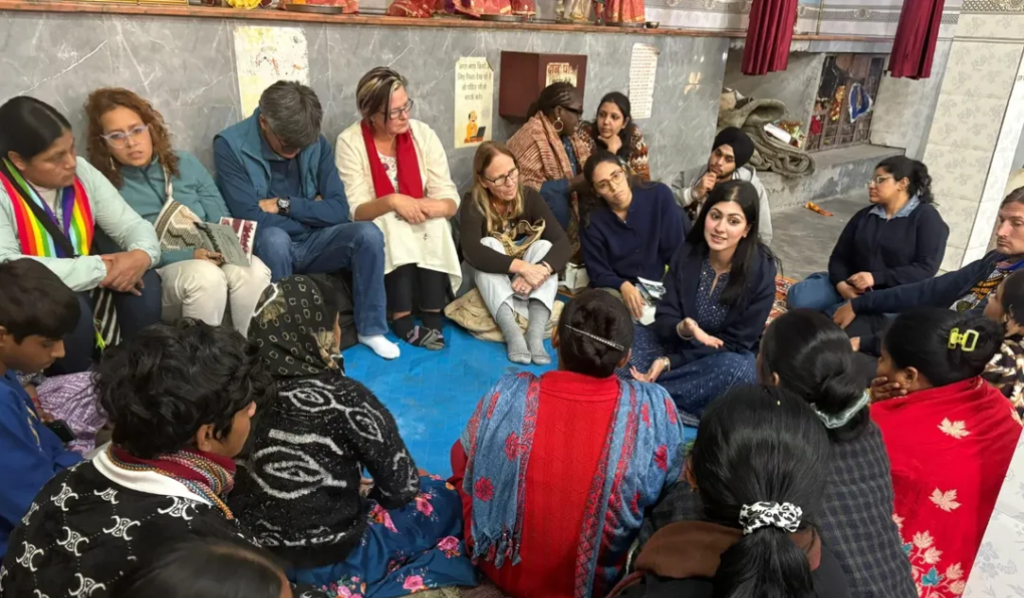
As we greeted the community for the first group discussion, I was struck by a sharp sense of self-consciousness, adorned in the most Western-style attire possible and immersed in a conversation I could not decipher. My duty, therefore, was to observe, and in doing so, I saw the trepidation I was feeling reflected on the faces of the participants. Despite this, I found the atmosphere friendly and welcoming.
Although my supervisor passed me notes in English while conducting the interview in Hindi, it remained difficult to keep pace with the discussion. I felt I should have been contributing more, yet those contributions were slow to form. The detail and length of the conversation nevertheless left me with the impression that valuable insights had been gained.
The second conversation took place at a different location, in a house built in the traditional style of the region. The group this time were hesitant to engage; one of the drawbacks of a rapid-fire visit without sufficient opportunity to build rapport. With that, the first day’s tasks had concluded.
Reflecting on the day, the phrase “baptism of fire” sprang to mind.
Although I left feeling frustrated that I had not contributed as much as I had hoped, I soon realised that these challenges were themselves part of the learning process and an inevitable feature of the kind of work I had come here to do.
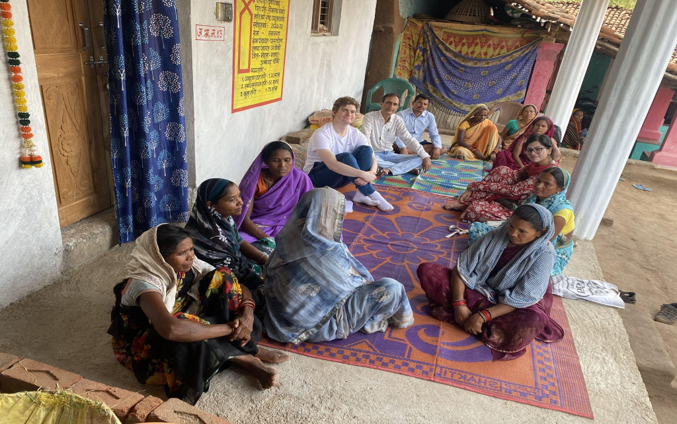
The second conversation took place at a different location, in a house built in the traditional style of the region. The group this time were hesitant to engage; one of the drawbacks of a rapid-fire visit without sufficient opportunity to build rapport. With that, the first day’s tasks had concluded.
Reflecting on the day, the phrase “baptism of fire” sprang to mind.
Although I left feeling frustrated that I had not contributed as much as I had hoped, I soon realised that these challenges were themselves part of the learning process and an inevitable feature of the kind of work I had come here to do.
Day 2
Now having more of an idea of what to expect, some of the initial anxiety had subsided, replaced by a sense of mental readiness and determination to make the most of the day’s offerings.
The first meeting took place in the panchayat hall. The conversation was open and almost jovial at times, with members freely contributing and breaking into occasional laughter. The warmth of the welcome we received could be felt clearly despite the language barrier. The group took an active interest in who I was and where I was from. When “next to England” was used to explain the location of Ireland, it felt curiously ironic that the shared colonial histories of our two countries had, in that moment, become a point of reference that seemed to bridge the cultural divide.
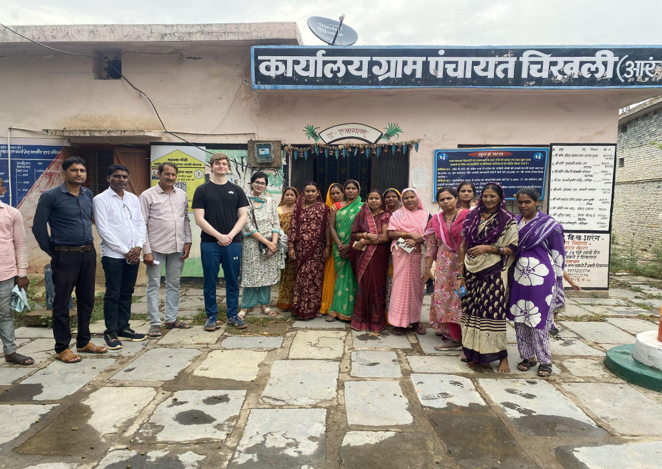
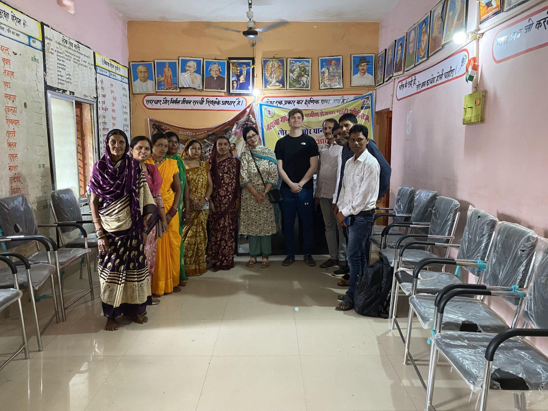
Although I still could not fully follow the flow of conversation, the difference in atmosphere from the previous day was palpable. Today’s discussions felt more like group conversations than formal interviews.
This highlighted the importance of building rapport with participants when undertaking this type of research, as well as the varying levels of effort different groups may require to establish it.
Upon returning and analysing the data gathered, however, I learned that the first day’s interviews had ultimately been more insightful for the research itself, demonstrating that a free-flowing, open conversation does not automatically translate into stronger research findings.
Personal Reflections
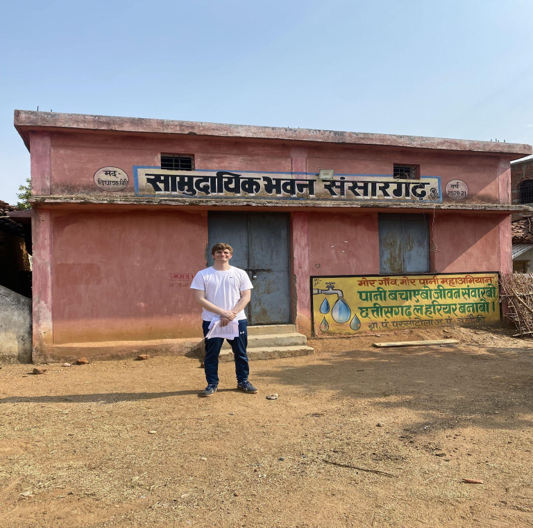
My first experience of conducting qualitative research was at times overwhelming. My sense of standing out stemmed not only from cultural differences but also from my relative lack of expertise. The language barrier presented a particular challenge, preventing me from influencing the process to the extent I would have liked. I was frustrated that I could not sharpen my own interviewing skills and was instead relegated to an observer’s role.
The time constraints of our visit highlighted the importance of time spent with the community in this type of research. The schedule left little opportunity for getting to know participants and vice versa, perhaps the key to partially remedying my status as an outsider. More time learning about the community beyond data collection, observing and even participating in daily activities, could only have strengthened a collaborative atmosphere. Crucially, these experiences demonstrated the relevance of positionality in practice, a concept that had seemed abstract in the classroom.
Seeing firsthand how this type of research is conducted was extremely valuable and enlightening. Only once I had time to gather my thoughts did the gulf between where I was, what I was doing, and my ordinary life begin to sink in. The wonder of seeing a part of the world unfamiliar to most people in my social circles was accompanied by a poignant awareness of some of the everyday realities faced by communities there. Seeing what appeared to be primary-school-aged children moving piles of bricks, the prevalence of people walking barefoot, and the widespread accumulation of litter due to an apparent lack of infrastructure made evident how easily such comforts are taken for granted in Ireland.
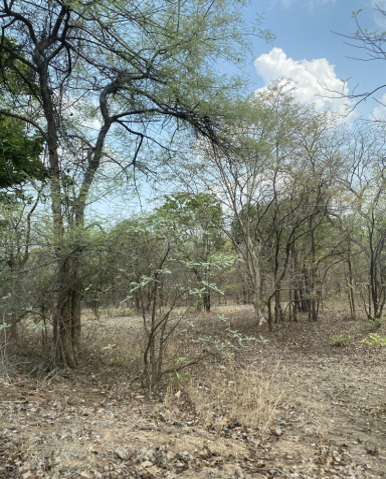
It was only after returning and transcribing the interviews that I began to appreciate the deeper context underlying the trip. Participants spoke at length about their traditional knowledge, the history of their community, the close relationship between their livelihoods and the forest, cultural practices, and much more. One aspect that particularly shocked me was the apparent level of neglect they had experienced from the government. If meaningful community-based research rests on mutual trust, respect, and understanding, I found myself wondering to what extent such relationships can be achieved between people with such fundamentally different contexts.
My own life had never included anything resembling the dismissal, or even apparent contempt, that community members described experiencing regarding their own needs. Although studying Ireland’s colonial past had given me some historical appreciation of these issues, I felt that appreciation, rather than genuine understanding, marked the limit of what I could claim. Human experiences that had existed only in history within my own consciousness were suddenly made tangible.
While a year of study had provided an introductory and theoretical understanding of the field, this experience offered direct contact with the element that cannot truly be captured in the classroom: its human implications.
Time spent with the communities embodied the realities behind the issues we had studied, and with that came a deeper appreciation of the responsibility inherent in this work. Of all the lessons the trip provided, this was perhaps the most profound. To have gained this exposure at such a formative stage of my development is an experience I feel deeply privileged to have had—one that has fundamentally shaped my perspective, fostering a sense of care and humility that I hope to carry into all future endeavours.