Decentralisation means giving local institutions a greater role in decision-making that affects their communities. It allows decisions to be made closer to the people who are directly affected by them.
It involves sharing authority, responsibilities, and resources with local institutions so that decisions can be made closer to where issues arise.
Decentralisation aims to strengthen local governance by giving communities and local bodies a greater role in planning, implementation, and decision-making.
What is Decentralisation?
In simple terms, decentralisation means the shifting of power and responsibilities from central authorities to local institutions.
More formally, it refers to the transfer of authority, resources, and decision-making powers from the central government to local institutions to strengthen democratic governance.
By bringing governance closer to citizens, decentralisation can improve communication between institutions and communities. It can also create more opportunities for people to participate in decisions that affect their daily lives.
Why Decentralisation Matters
Governments often need to respond to different social, economic, and environmental conditions across regions. Local institutions are usually better placed to understand these differences and respond to the needs of their communities.
It provides local bodies with legal autonomy to respond more effectively to local issues and creates opportunities for greater public participation in decision-making processes.
It also strengthens democratic governance by encouraging accountability, representation, and local ownership of development processes.
How Decentralisation Works
Decentralisation involves transferring responsibilities, resources, and decision-making powers from higher levels of government to local institutions.
These responsibilities may be assigned to panchayats, municipalities, district councils, or other local governance bodies, depending on the context.
As local institutions take on greater responsibilities, decisions related to planning, service delivery, and development can be made closer to the communities they affect.
Examples in Practice
- Panchayati Raj System, India:
The Panchayati Raj system gives elected local governments an important role in planning and implementing development activities in rural areas. It is one of India’s most significant examples of decentralised governance. - Urban Local Bodies in India:
Municipal corporations and local councils are responsible for services such as water supply, sanitation, roads, and waste management. These institutions help address local issues and deliver services within cities and towns. - Participatory Planning Processes:
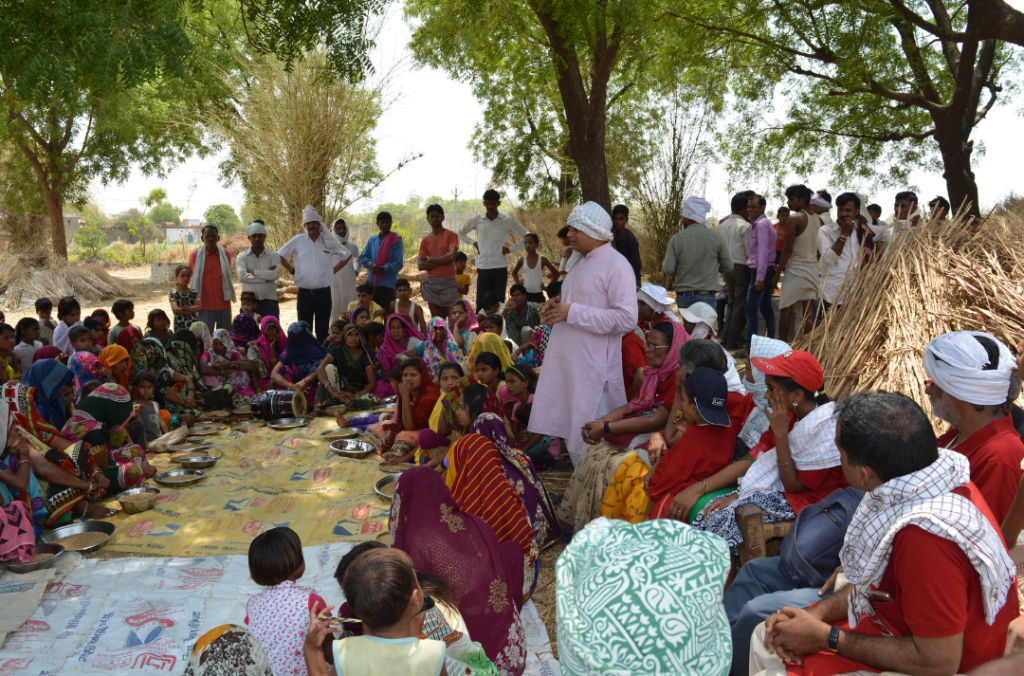
In some areas, local governments involve community members in identifying development priorities and discussing local needs. These discussions help inform planning and implementation at the local level.
Key Takeaway
Decentralisation brings decision-making closer to communities by strengthening the role of local institutions in governance and development.
It supports more responsive, representative, and locally informed decision-making by enabling local institutions to play a stronger role in addressing community needs and priorities.
Further Learning
Decentralisation is closely linked to concepts such as local governance, citizen participation, social accountability, and participatory planning.
To learn more about decentralisation in practice, explore PRIA International Academy’s Understanding Panchayati Raj Institutions: Decentralisation, Democracy and Local Governance course, which examines how local governance and decentralised decision-making work in India.