
For many civil society organisations (CSOs), planning often involves preparing the next project proposal, setting annual targets, finalising budgets, or responding to a donor’s priorities. While these are important tasks, they are distinct from strategic planning.
Strategic planning necessitates a step back to ask fundamental questions: Who are we? Why do we exist? What changes do we aspire to see? Is our current work still relevant? And what should we do differently to remain useful and effective in an evolving world? It is a process of making decisions that shape and guide an organisation’s identity, actions, and purpose.
This distinction is particularly crucial for CSOs in India today.
Beyond project planning
Conventional planning typically begins with agreed goals, translating them into activities, timelines, and budgets. Strategic planning, however, starts deeper – with the organisation’s core purpose and its dynamic environment. It compels us to consider not only our current activities but also the changes occurring around us and their implications for our future.
For Indian CSOs, the operating environment has grown increasingly complex. Funding patterns are shifting, community expectations are evolving, government–civil society relationships are transforming, technology is revolutionising organisational operations, and new actors are entering the development sphere. Concurrently, the problems CSOs address – poverty, inequality, climate change, gender discrimination, exclusion, and democratic participation – are becoming more interconnected.
In such a landscape, simply replicating past successes may no longer suffice.
Strategy is about staying relevant
One of the greatest risks an organisation faces is becoming busy without remaining relevant. CSOs can easily become engrossed in project management, meeting reporting requirements, and solving immediate operational problems, thereby losing sight of the larger question: Are we still contributing to the change for which we exist?
Organisations often react to crises only once they become unavoidable. By then, many opportunities for a considered response may have already vanished. Strategic planning helps organisations anticipate changes, contemplate different possible futures, and keep their options open.
This is where strategic planning becomes a vital component of organisational sustainability. Sustainability extends beyond merely having sufficient funds to survive; it also encompasses maintaining relevance, organisational capability, legitimacy, relationships, leadership, and adaptability.
A collective process, not a management exercise
Strategic planning should not result in just another document gathering dust on an organisation’s shelf.
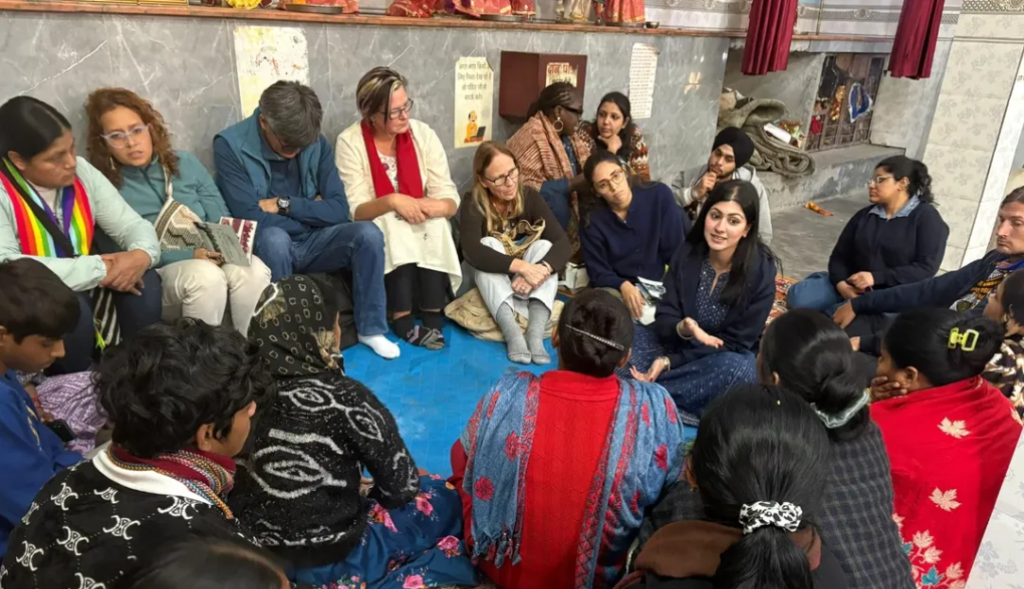
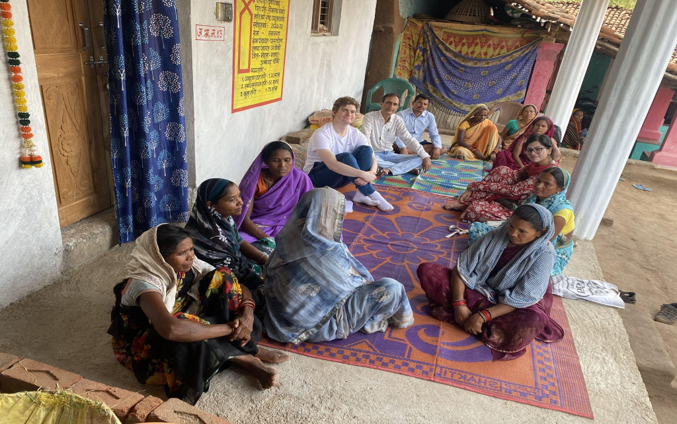
For CSOs, it must be a collective process, incorporating diverse perspectives from leadership, staff, governing bodies, partners, and, crucially, the people and communities with whom the organisation works. Strategic planning should not be treated as a linear, top-down exercise. For development organisations, where change must be negotiated rather than imposed, consultation and participation are essential.
This also positions strategic planning as an important dimension of NGO management. A well-executed process can help an organisation clarify its identity, establish priorities, make better decisions, and foster greater ownership across the organisation.

From a document to a way of working
Effective strategic planning does not attempt to predict the future. Instead, it prepares an organisation to respond intelligently when the future unfolds differently from expectations. The process involves examining organisational strengths and weaknesses, understanding external opportunities and threats, listening to stakeholders, identifying strategic questions, making choices, developing alternative strategies, and continuously monitoring and learning.
Perhaps the most important message for Indian CSOs is this: strategic planning is not about writing a five-year plan; it is about developing the capacity to think and act strategically.
In a rapidly changing development landscape, organisations that pause to question their assumptions, listen to their stakeholders, and make deliberate choices are more likely to remain relevant, resilient, and effective.
Strategic planning, therefore, is not a luxury reserved for large NGOs. It is an essential investment in the future of any CSO that seeks not merely to survive but to continue making a meaningful difference.
If you are looking to explore this further, our Virtual Master Class Series on Strategic Planning offers a deeper dive into the topic. And if your organisation is looking to develop or reassess its strategic plan for long-term sustainability, PRIA International Academy also offers advisory support in this area – write to us at pia@pria.org to know more.
To browse all our courses and upcoming master classes on strategic planning and NGO management, visit PRIA International Academy.