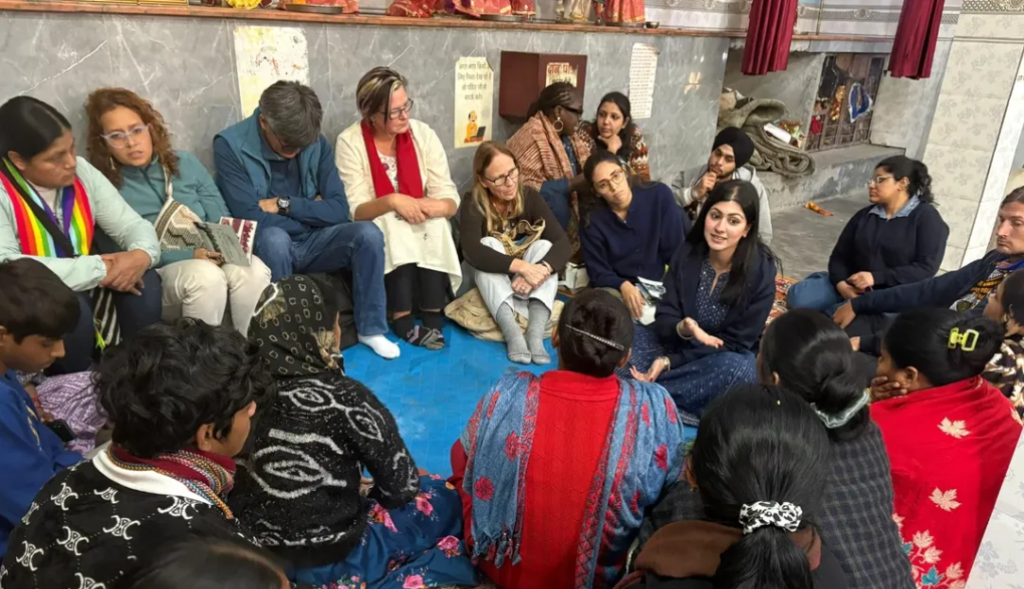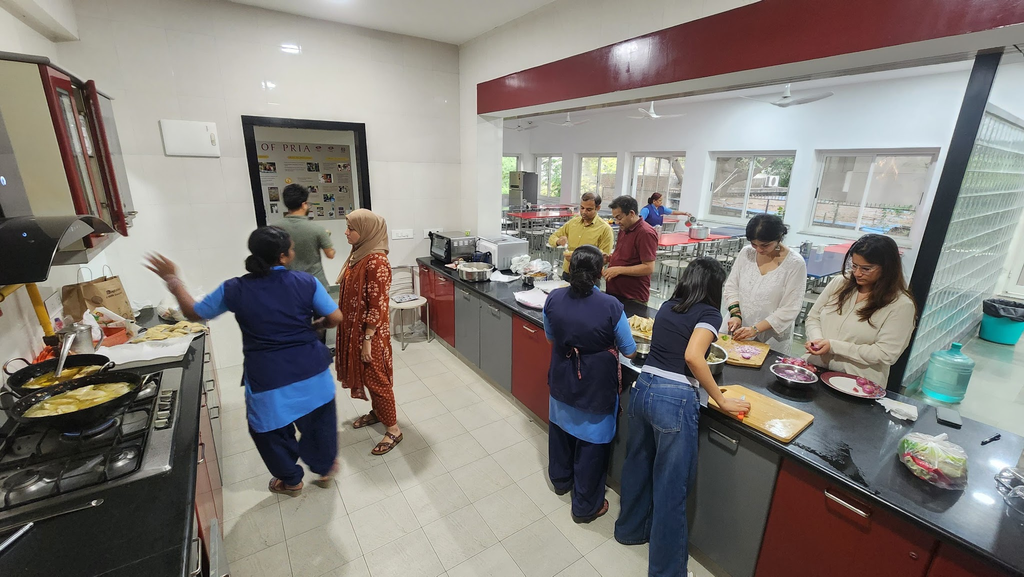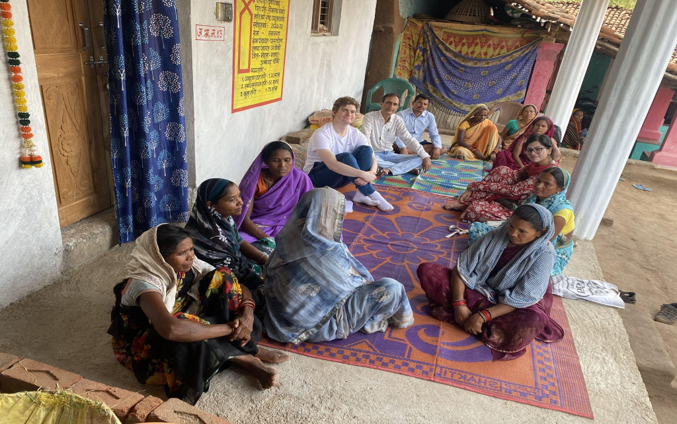

Horizontal citizenship refers to the day-to-day engagement between citizens within a local community. It focuses on the relationships between citizens and their responsibilities towards one another within a community.
Unlike vertical citizenship, which defines the legal and formal relationship between an individual and the state, horizontal citizenship focuses on grassroots connections, mutual aid, and civic duty.
It actively strengthens the social fabric by encouraging participation, mutual respect, and collective responsibility.
What is Horizontal Citizenship?
In simple terms, it focuses on how everyday people treat, assist, and respect each other in a shared space, rather than just how they interact with the government.
Formally, it is grounded in horizontal solidarity, mutual rights, and shared responsibilities among peers. It exists to build strong, resilient communities by encouraging people to work together and support one another from the ground up.
Why Horizontal Citizenship Matters
Horizontal citizenship matters because it shifts the focus from citizen-government to citizen-citizen relationships.
It encourages people to recognise that they have responsibilities towards one another as members of a shared community. It supports cooperation, inclusion, and collective problem-solving by strengthening relationships between individuals and groups.
It also serves as the foundation for social trust, making it significantly easier for diverse neighbours to unite when facing systemic issues that affect their communities.
How Horizontal Citizenship Works
Horizontal citizenship is put into action through routine civic engagement and mutual reliance.
This may include participating in local groups, helping neighbours, joining community activities, or contributing to efforts that benefit the wider community.
Through these actions, people build relationships and contribute to the well-being of their communities.
When communities work together to address local issues, support vulnerable groups, or respond to shared challenges, they put the principles of horizontal citizenship into practice.
Examples in Practice
- Mutual aid networks during COVID-19: During the COVID-19 pandemic, neighbourhood groups across India and many other countries organised food, medicines, and other forms of support for people who could not leave their homes. These efforts were led by community members themselves, who identified local needs and worked together to help others in their area.
- Neighbourhood Watches: Residents collaborate to patrol local streets, share safety information, and look out for one another’s homes.
- Community-Led Activities: Community members work together on local activities such as maintaining public spaces, organising neighbourhood events, or addressing issues affecting their area.
Key Takeaway
Horizontal citizenship highlights the role citizens play in supporting one another and contributing to the well-being of their communities.
It strengthens cooperation, trust, and collective responsibility, helping communities work together around shared concerns and common goals.
Further Learning
Horizontal citizenship is closely linked to concepts such as citizen participation, grassroots leadership, community mobilisation, and social cohesion.
Explore related glossary terms to learn more about the approaches that strengthen participation, inclusion, and collective action within communities.