
Participatory Governance involves citizens in discussions and decisions about issues that affect their lives.
It institutionalises direct channels for people to contribute their views, share local knowledge, and take part in governance processes beyond voting in elections.
It empowers citizens and non-state actors to directly influence public decision-making.
Rather than solely relying on elected officials, it incorporates community feedback into policy formulation, making local services and urban planning more transparent, accountable, and aligned with community needs.
What is Participatory Governance?
In simple terms, it means letting everyday people help make decisions that affect their community and monitor progress.
Formally, it refers to governance systems that actively involve citizens in planning, budgeting, monitoring, and policy decision-making. It exists to make public institutions more transparent and ensure government spending matches real community needs.
Why does it matter?
Participatory governance drives structural inclusion and transparency by creating non-negotiable spaces for different groups to contribute to public decision-making.
It can help ensure that public resources are used in ways that reflect community priorities and local needs. It also strengthens vital trust between citizens and institutions, systematically reducing conflict and corruption.
How Participatory Governance Works
Participatory Governance creates opportunities for citizens to take part in discussions about local issues and development activities.
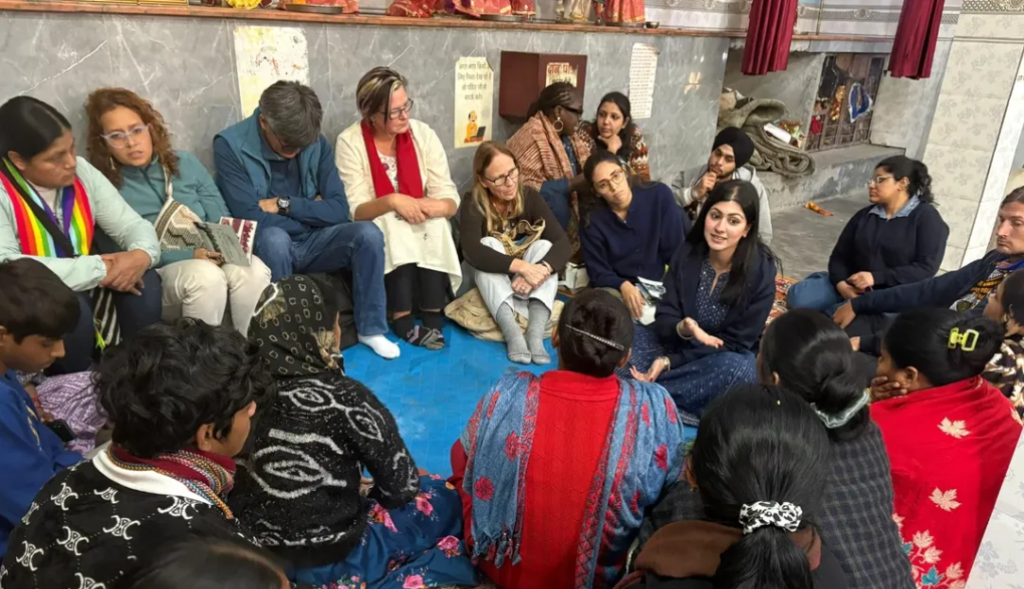
People participate through village meetings, public consultations, community groups, participatory budgeting exercises, and other local forums where community concerns are discussed.
These spaces allow citizens to share their experiences, discuss priorities, and provide feedback on public services and development programmes.
Public institutions are then structurally pressured to embed this data directly into their official frameworks for planning, budgeting, service delivery, and development programs.
Examples in Practice
Gram Sabha Meetings, India:
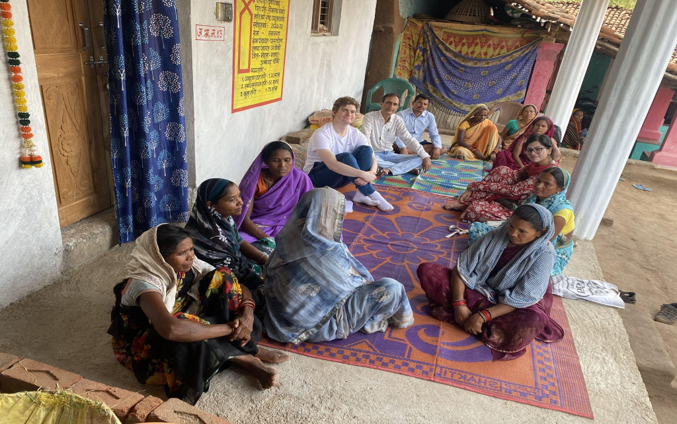
Under the Panchayati Raj system, village residents come together to discuss local issues, review community activities, and share their views on development priorities. These meetings provide an opportunity for people to participate in decisions affecting their village.
PRIA has worked extensively with communities and elected members to strengthen how these forums function in practice.
Community Monitoring Initiatives:
Across several states, communities have actively participated in monitoring the National Rural Employment Guarantee Scheme – verifying that work was completed, wages were paid correctly, and records matched reality.
This ongoing oversight has been one of the most effective accountability mechanisms.
Key Takeaway
Participatory Governance creates opportunities for citizens to take part in decisions that affect their communities.
It helps strengthen transparency, accountability, and collaboration between citizens and public institutions.
Further Learning
Participatory Governance is closely linked to concepts such as local governance, decentralisation, citizen participation, and social accountability.
Explore related glossary terms to learn more about the approaches that support inclusive and responsive governance.