
Imagine if your voice in governance was just a click away?
As digital technologies become part of our everyday life, they are also changing how people engage with public institutions and civic issues. This shift is often described as Digital Participation. In this glossary, we explore what digital participation is, why it matters, how it works, and how digital spaces can strengthen citizen engagement and democratic processes.
What is Digital Participation?
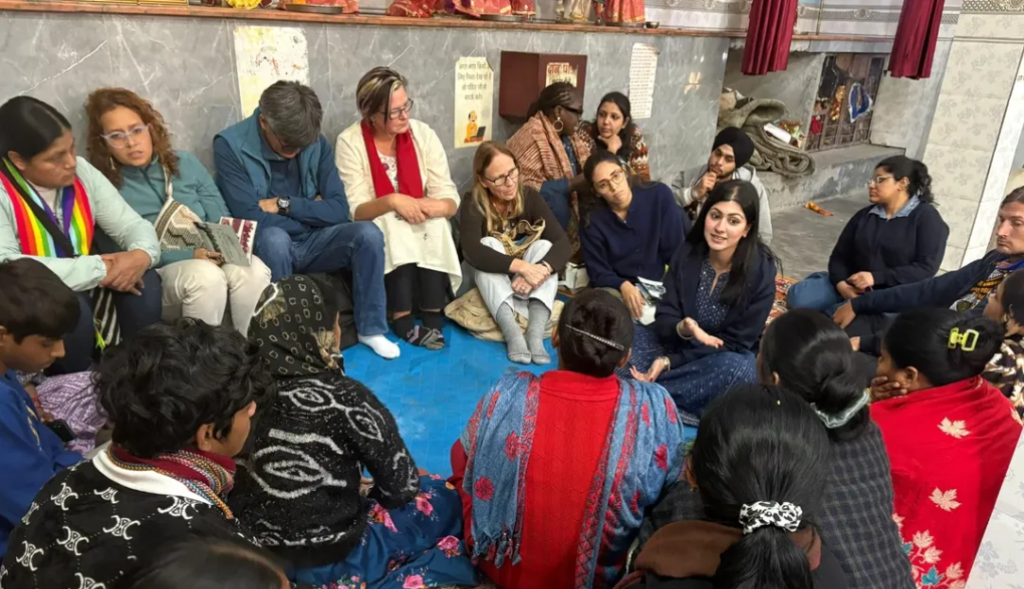
In simple terms, Digital Participation is the use of technology to help people take part in decisions, discussions, and activities that shape their everyday lives. Instead of participating only through face-to-face meetings, citizens can also engage using online platforms and digital tools.
More technically understood, Digital Participation is the use of digital tools and platforms to enable citizen engagement, advocacy, and participatory governance. It exists to extend participation into digital spaces, making it simpler for people and institutions to connect, collaborate, and contribute to public decision-making.
Why does it matter?
Digital Participation transcends the constraints of physical locations, allowing more people to contribute regardless of geography or time limitations. It helps in faster communication between citizens and institutions, supports broader public consultations, and creates new pathways for advocacy, collaboration, and civic learning. When used thoughtfully, digital tools can make participation more accessible while complementing traditional forms of democratic engagement.
How does it work?
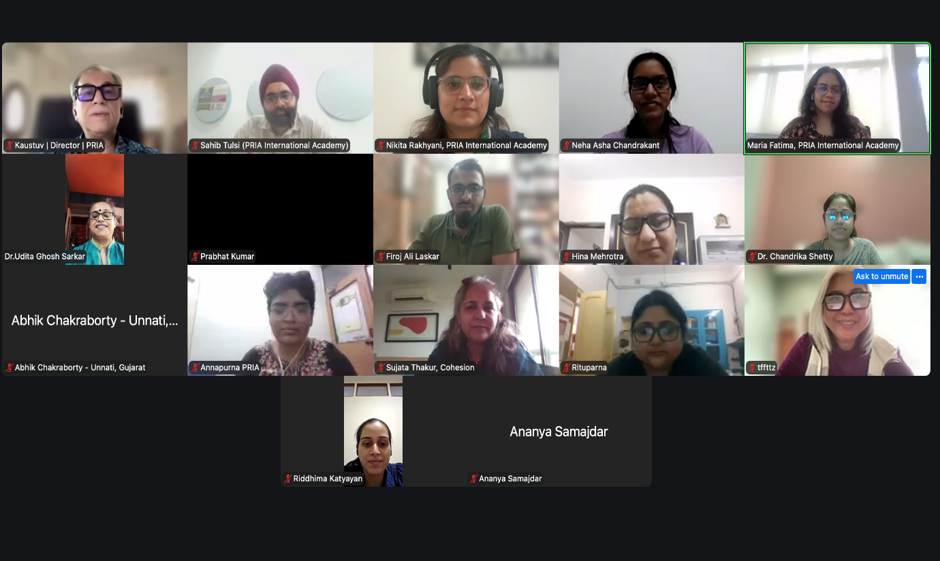
Digital Participation relies on tools such as online consultations, e-governance platforms, digital surveys, discussion forums and virtual community meetings. These platforms allow citizens to share feedback, contribute ideas and participate in public dialogue. Institutions, in turn, can respond more efficiently, gather diverse perspectives and improve transparency. Learning also plays an important role, with educational programmes and academy courses increasingly using digital tools to strengthen civic knowledge, participation skills and collaborative learning.
Real-World Examples
Many local governments now use e-governance platforms to provide public services, collect citizen feedback and improve communication with residents. Online consultation processes invite communities to comment on development plans, urban projects or public policies before decisions are finalised. Educational institutions and civil society organisations also use webinars, digital learning platforms and virtual discussions to help citizens better understand governance processes and participate more confidently in civic life .
Digital tools are also opening up new ground in skill-building itself, PRIA’s Skill Building and Technical Training for Girls project is one example of how training and technology are being brought together to widen participation for groups who’ve traditionally had less access to both.
Key Takeaway
Digital Participation brings civic engagement into the digital age, creating new opportunities for citizens and institutions to connect, collaborate and shape public life together.
Continue Your Learning
If you found this glossary useful, do bookmark it for future reference and share it with anyone who is keen and interested in civic engagement and participatory development. You may also enjoy exploring related glossary terms such as Citizen Participation and Participatory Governance to understand how digital and in-person participation work together to strengthen democracy