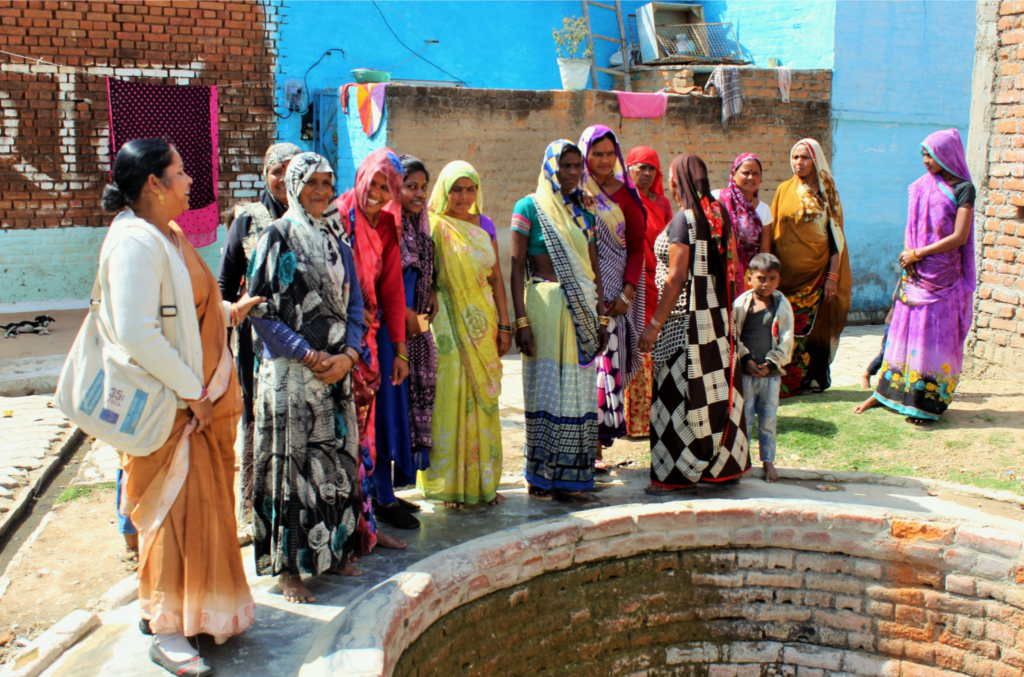
What does it take to build a community that can shape its own future?
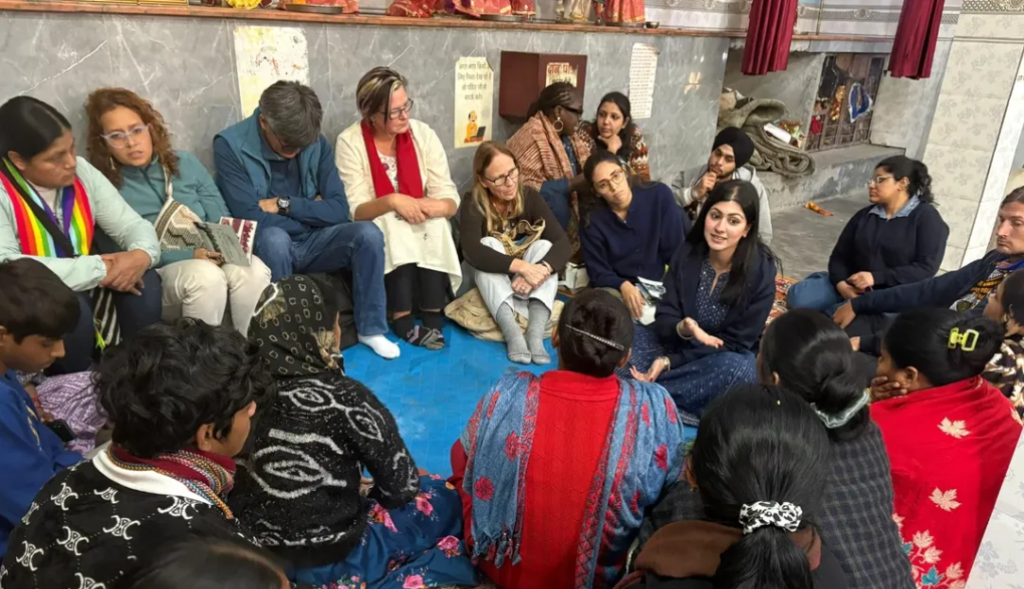
The answer rarely begins with a single project or policy. More often, it begins with people coming together to identify local priorities, share responsibility and make collective decisions about the future they want. This is the idea behind Community Development Programmes. In this glossary, we explore what community development programmes are, why they matter, how they work, and how they help communities become active partners in development rather than passive recipients.
What are Community Development Programmes?
Community Development Programmes are initiatives that are aimed at strengthening rural and urban communities through decentralised planning, capacity building, and participatory governance. They exist to ensure that development is shaped not only by policies and institutions, but also by the people whose lives those decisions affect, embedding democratic practices into everyday development.
Why does it matter?
Strong communities are built through participation, not simply provision. Community Development Programmes create opportunities for people to contribute to decisions that influence their daily lives, whether in villages, towns or cities. By strengthening local leadership, improving planning capacities and encouraging shared responsibility, these programmes help communities respond to challenges with greater confidence. In doing so, they make democratic participation an everyday practice rather than an occasional event.
How It Works?
Community Development Programmes bring together community members, local institutions, civil society organisations and public authorities to address shared priorities. Through decentralised planning, communities identify local needs and help shape development plans. Capacity-building activities strengthen the skills of community leaders, institutions and citizen groups, while participatory governance encourages dialogue, collaboration and accountability. Together, these partnerships translate local knowledge into practical actions that respond to real community needs.
Real-World Examples
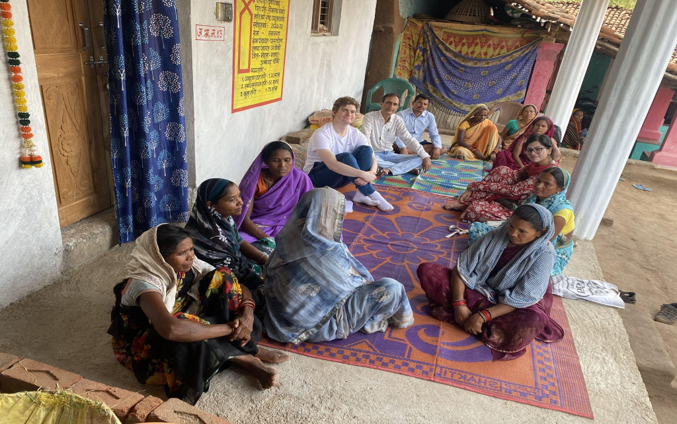
A village community may work alongside the local government to prepare a participatory development plan that reflects local priorities for water, education and livelihoods. In urban neighbourhoods, resident groups and municipal authorities may collaborate to improve sanitation, public spaces or access to essential services.
PRIA’s climate adaptation work in Ajmer and Jodhpur shows this kind of collaboration in action: Self-Help Group women and youth were trained to map and monitor local water bodies as part of a climate resilience initiative, and their findings were significant enough that municipal officials acknowledged real gaps in their own records. These community members went on to sit on City Level Advisory Committees and form Neighbourhood Water Committees, working alongside local government on ongoing monitoring and maintenance rather than replacing its role. Community Development Programmes also support partnerships where civil society organisations, local institutions and citizens work together to strengthen local governance, encourage participation and improve the quality of development outcomes .
Key Takeaway
Community Development Programmes place communities at the centre of development, enabling people to participate, collaborate and lead the decisions that shape their collective future . A core part of this is building the skills within communities themselves, so that the impact of these programmes lasts well beyond the project’s own timeline.
Continue Learning
If you found this helpful, consider bookmarking it and sharing it with others interested in participatory development and community engagement. If you’d like to build these skills further, PIA’s course, Participatory Research: A Journey Beyond Conventional Research, offers a practical grounding in the kind of community-led research this glossary describes. You may also enjoy exploring related terms such as Decentralisation and Participatory Governance, which further explain how communities and institutions work together to create more inclusive and democratic development processes .