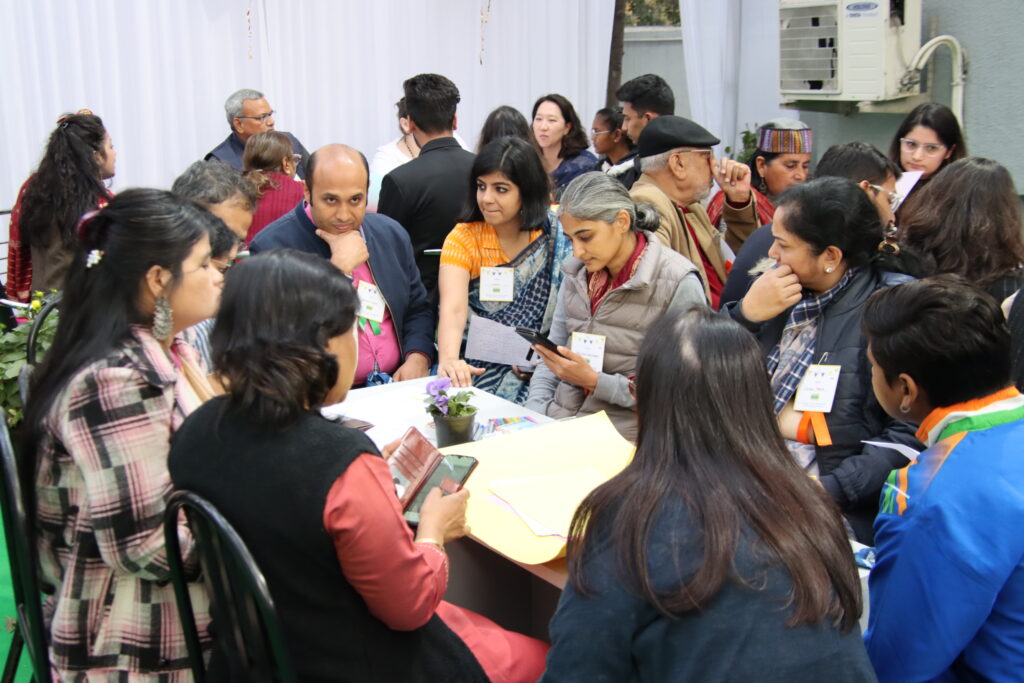
What changes when the people usually called “research subjects” begin asking the questions, interpreting the findings and deciding what should happen next?
That idea sits at the heart of Participatory Action Research (PAR). Instead of studying communities from the outside, PAR involves people directly in understanding the issues that affect their lives and using that knowledge to work towards change.
What Is PAR?
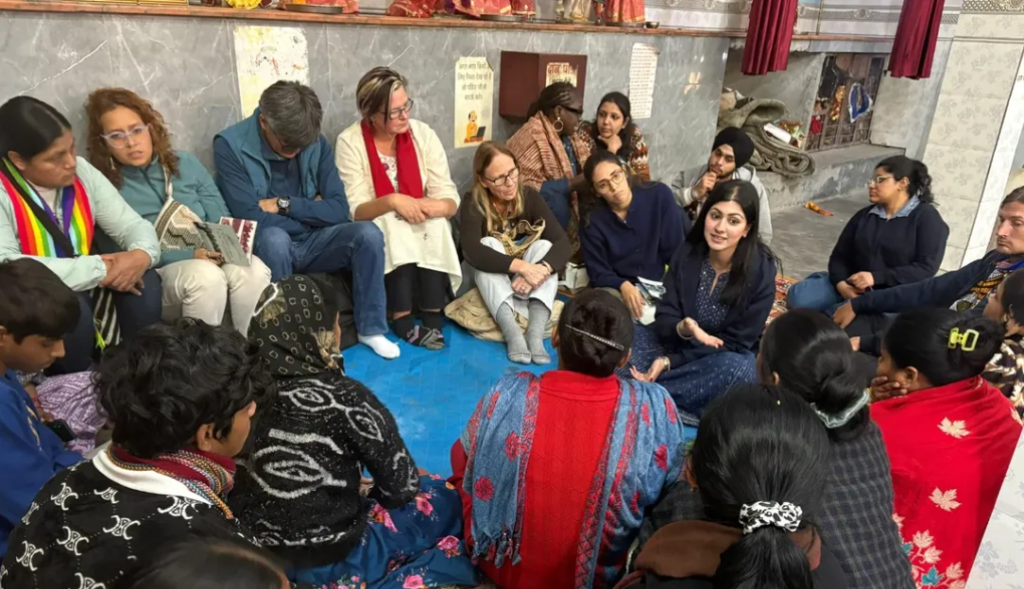
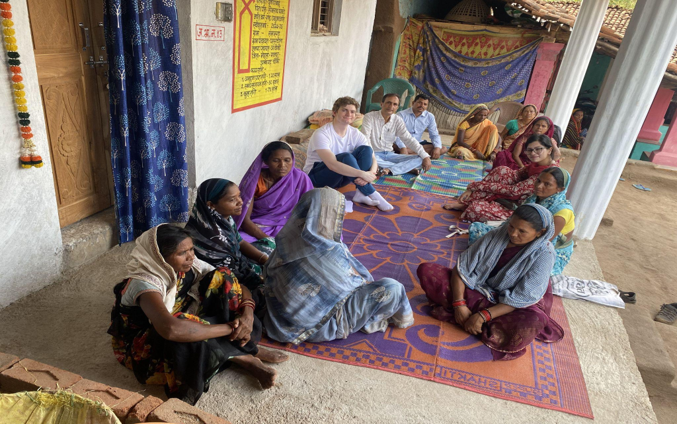
Participatory Action Research, or PAR, is an approach to research in which community members and researchers work together throughout the process.
People are not involved simply as respondents who answer questions or provide information. They may help identify what needs to be studied, frame research questions, collect information, make sense of findings and decide how those findings can be used.
This approach recognises that knowledge does not come from academic expertise alone. People develop valuable knowledge through lived experience, whether they are farmers responding to changing agricultural conditions, workers navigating unsafe workplaces or residents dealing with gaps in public services.
PAR brings these different forms of knowledge together.
Why Does PAR Matter?
Someone living with a problem every day will often notice things an outside researcher may miss.
A survey, for instance, might reveal that residents in an informal settlement have limited access to sanitation. Residents themselves can explain what that actually means: which facilities are difficult to reach, when they become unsafe to use, who is most affected and why previous solutions have failed.
PAR makes space for this knowledge.
It also changes the relationship between the researcher and the community. Research is conducted with people rather than simply about them, giving communities a greater role in producing and using knowledge that concerns their own lives.
How Does Participatory Action Research Work?
PAR usually follows a continuing cycle of action and reflection.
A community and researchers may begin by identifying an issue together. They gather and discuss evidence, plan an action, observe what happens and reflect on what they have learned. That learning then shapes the next round of action.
Because the process is iterative, the research can change as new questions and insights emerge.
What Does PAR Look Like in Practice?
Farmers might work with researchers to understand the decline in soil quality, test different practices, and compare outcomes across growing seasons.
Workers in the informal economy might document workplace conditions themselves and use the evidence to advocate for safer practices. Communities can also map gaps in water, sanitation or other public services and use their findings to engage with local authorities.
In each case, research becomes something people actively participate in and use.
Key Takeaway
Participatory Action Research turns research into a shared process of learning, reflection and action. Communities contribute not only information but also knowledge, interpretation and decisions about what happens next.
Explore PRIA International Academy’s learning resources and courses to deepen your understanding of PAR, community-based participatory research, and knowledge democracy.