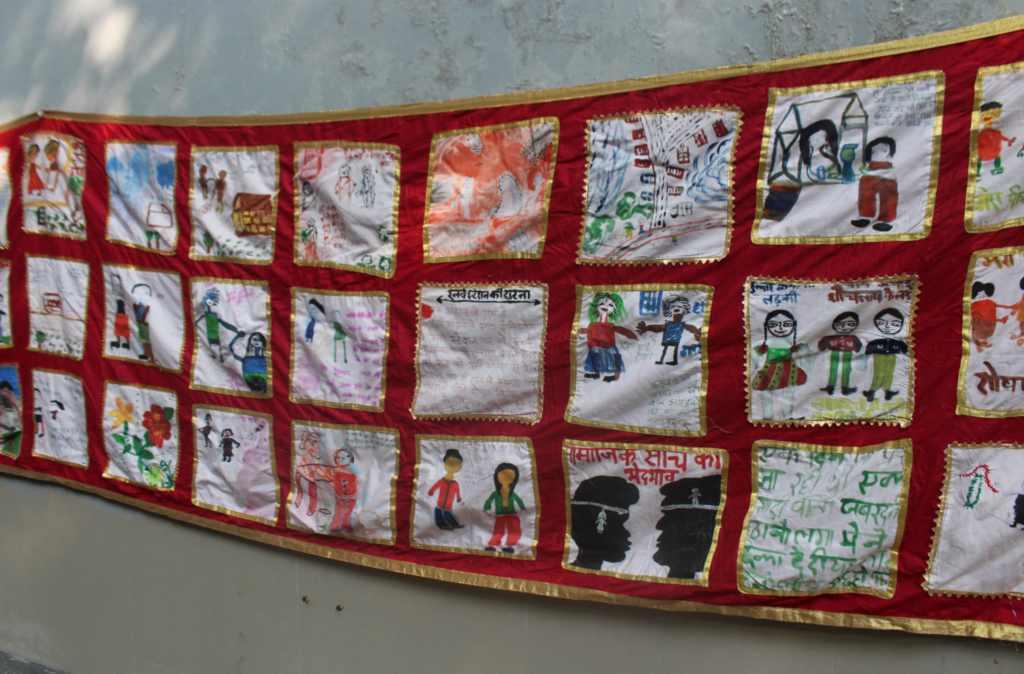
What if a play, a painting, or a story could spark social change? That is the promise behind arts-based methodologies. Below, we walk through what the term means, why people use it, how it works on the ground, and where you can see it making a real difference in communities today.
What Are Arts-Based Methodologies?
Arts-based methodologies use creativity to explore, teach, and talk about the things that matter to a community. A mural, a street play, or a shared story becomes a way to dig into an issue rather than just decorate it.
More formally, arts-based methodologies are approaches that use creative expression such as theatre, visual arts and storytelling as mediums for research, learning and social engagement. They are used because some truths land harder through a song or a scene than through a report nobody reads.
Why It Matters
Not everyone connects with statistics and policy papers.
- Arts-based methodologies take complex social issues and make them relatable, so more people can join the conversation.
- They also bridge the gap between theory and understanding.
- A community, a group of policymakers, and an institution rarely speak the same language, but a piece of theatre or a set of images can hold all three in one room.
- On top of that, they turn research and learning into something shared and participatory, where people are part of the work instead of just its subject.
How It Works
The forms are wide open. Theatre, visual arts, and storytelling sit at the centre, though film, music, and photography often join in too. Each one gives people a different way to speak.
These forms get applied across three areas: research, where art surfaces things surveys miss, learning, where it makes lessons stick, and social engagement, where it pulls people into action. The real strength is connection. A performance or exhibition can carry a community’s lived reality straight to policymakers and institutions who might never have heard it otherwise.
Real-World Examples
The clearest examples come from work rooted in real neighbourhoods.
- Community theatre has long been used in Indian villages to open up talks on caste, gender, and health, letting audiences rehearse change before living it.
- Mural projects across cities have handed public walls to residents, turning blank concrete into a record of local identity and protest.
- Storytelling initiatives, where elders and youth swap memories, have preserved knowledge that no archive was capturing, while quietly bonding a community across generations.
Key Takeaway
Arts-based methodologies are creative tools for social dialogue. When a play, an image, or a story carries a message, it reaches places a report cannot, turning silent issues into shared conversations that move people to act.
Explore More
Found this useful? Bookmark this page and pass it on to anyone working in research, education, or community work. To go further, browse related glossary terms such as Experiential Knowledge and Grassroots Leadership, both of which sit closely alongside how creativity drives change from the ground up.
You can also read more in our blog post, Reflections from an Arts-Based Learning Circle.