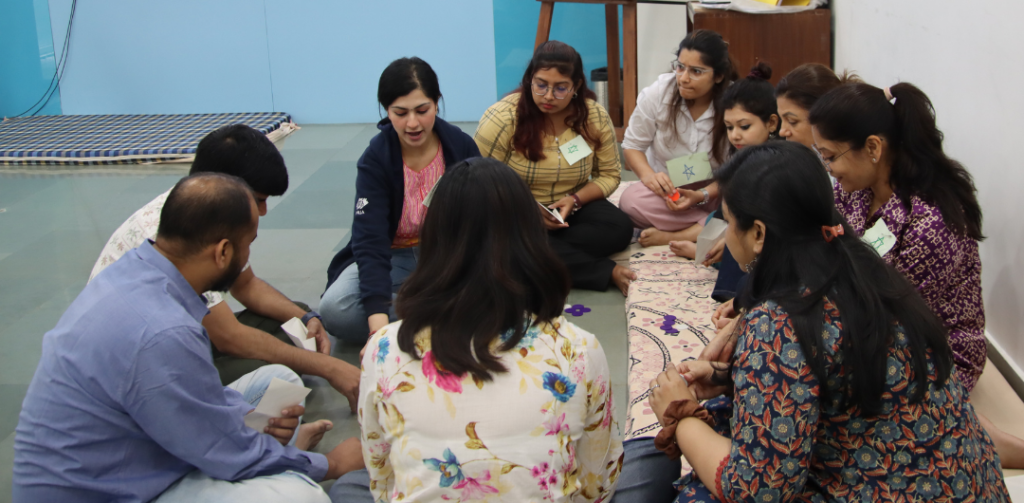
Citizen participation is an important part of democratic governance and inclusive development. It refers to citizens’ involvement in decisions that affect their communities and public institutions.
It creates opportunities for people to share their perspectives, contribute to decision-making, and engage with governance processes at different levels.
Citizen Participation helps strengthen the relationship between communities and institutions by encouraging dialogue, collaboration, and shared responsibility.
What is Citizen Participation?
In simple terms, it means people get involved in the decisions, plans, and processes that shape their own lives – rather than simply receiving whatever is decided for them.
Formally, citizen participation refers to the active involvement of individuals, especially marginalised groups, in decision-making, monitoring, policy dialogue, and participatory research.
It exists because people are more likely to support and engage with decisions when they have opportunities to contribute to the processes that shape them.
Why Citizen Participation Matters
Citizen participation helps ensure different perspectives and experiences, creating opportunities for marginalised and underrepresented groups.
It also helps strengthen trust between citizens and institutions while supporting more responsive policies and programmes.
How Citizen Participation Works
Citizen participation can take any form depending on the context and purpose.
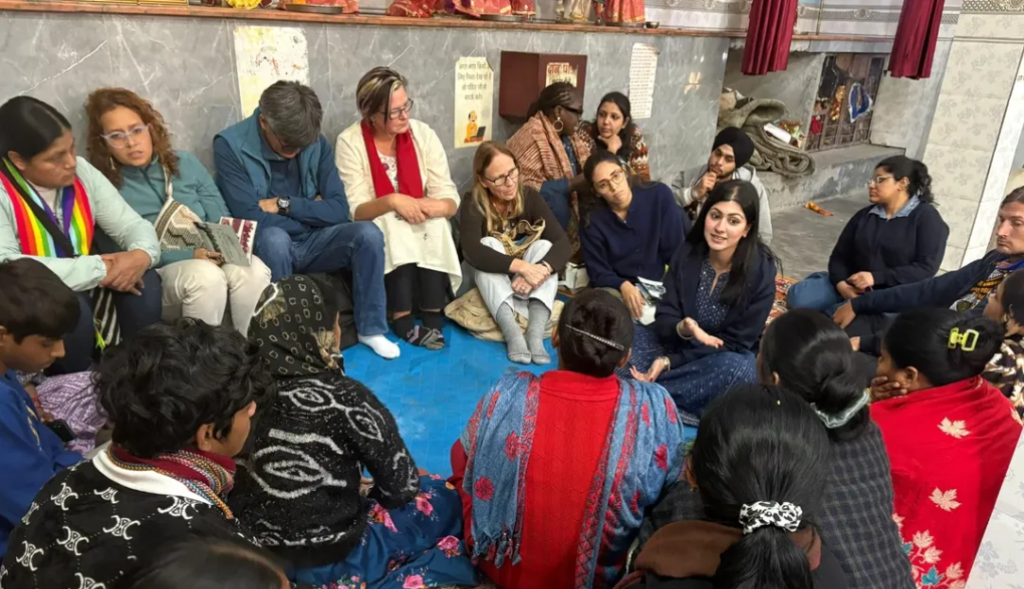
Common approaches include community meetings, public consultation, surveys, participatory planning exercises, public hearings, and local forums. These processes may involve individual citizens, community groups, civil society organisations, and representatives of marginalised communities.
The insights and feedback generated through these processes can help shape policies, programmes, services, and local development initiatives.
Examples in Practice
- Gram Sabha Meetings, India
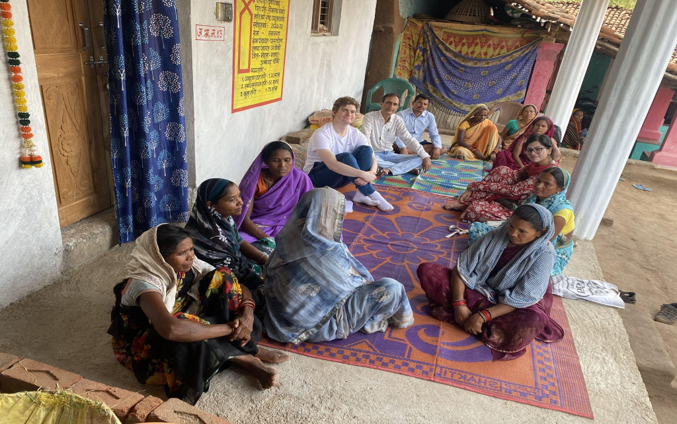
Under the Panchayati Raj System, Gram Sabha meetings serve as the primary statutory forum for village residents to exercise fiscal oversight, review development activities, and raise priorities directly with elected representatives.
PRIA has worked with Panchayati Raj Institutions across different states to strengthen citizen participation, build the capacities of elected representatives, and promote more inclusive local governance.
- Participatory Budgeting (Kerala, India) (Source)
Through the people’s plan campaign, village assemblies directly debate and decide how to spend large portions of local development funds, prioritising local schools and water systems.
- Community Monitoring, PRIA
Communities across India have participated in monitoring public services, from tracking mid-day meal delivery in schools to reviewing the functioning of health facilities.
Pria has been at the forefront of supporting these efforts, training and enabling communities to actively engage with local officials.
Key Takeaway
Citizen participation strengthens democracy by creating opportunities for people to contribute to decisions that affect their communities and public institutions.
It helps make governance processes more inclusive, responsive, and connected to local realities.
Want to Know More?
Citizen Participation is closely connected to concepts such as civic engagement, participatory governance, social accountability, and community mobilisation.
Explore related glossary terms to learn more about how citizens and institutions work together to support inclusive and responsive governance.