
Citizen report cards (CRCs) are a widely used tool for gathering feedback from citizens about the quality, accessibility, and effectiveness of public services.
They provide a structured way for people to share their experiences of services such as healthcare, education, transport, water supply, and municipal administration.
It helps create opportunities for dialogue between citizens and public institutions by bringing citizen feedback into discussions on service delivery and governance.
What is a Citizen Report Card?
In simple terms, a citizen report card is a survey-based tool for assessing the performance of public services.
It is a social accountability tool that gathers citizen feedback on public services and brings community experiences into discussions on service delivery.
The findings can help identify concerns, improve communication between citizens and institutions, and support efforts to improve public services.
Why does it matter?
Monopolistic public service providers often operate in isolation, disconnected from the daily realities of the people they serve. A CRC breaks this monopoly of silence by giving everyday citizens a structured voice.
They provide evidence to highlight service delivery gaps, identify areas for improvement, and draw attention to issues that might otherwise go unnoticed.
The findings can support constructive dialogue between citizens, service providers, and decision-makers, contributing to a more responsive governance process.
How Citizen Report Cards Work
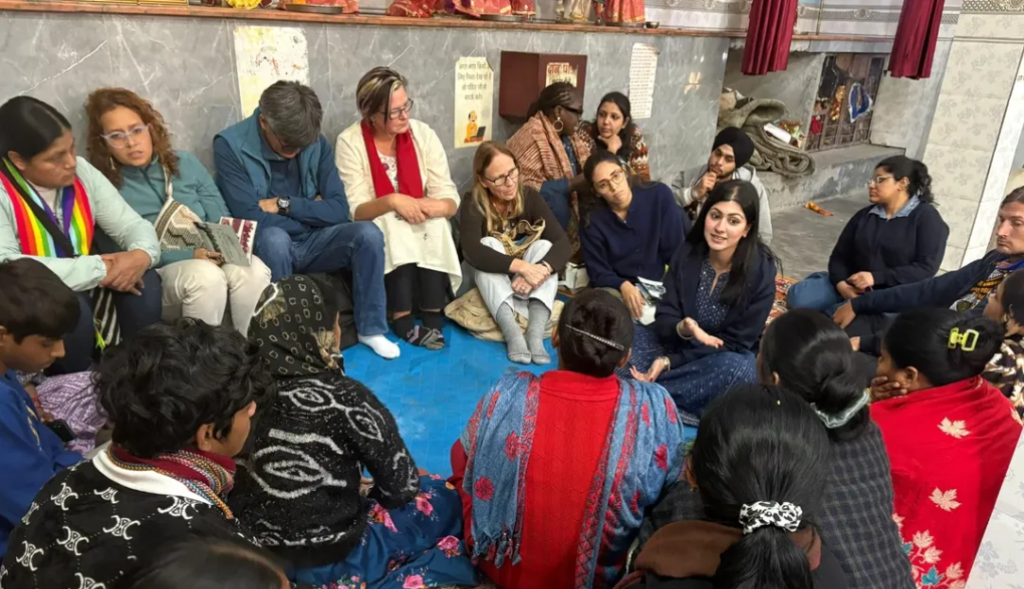
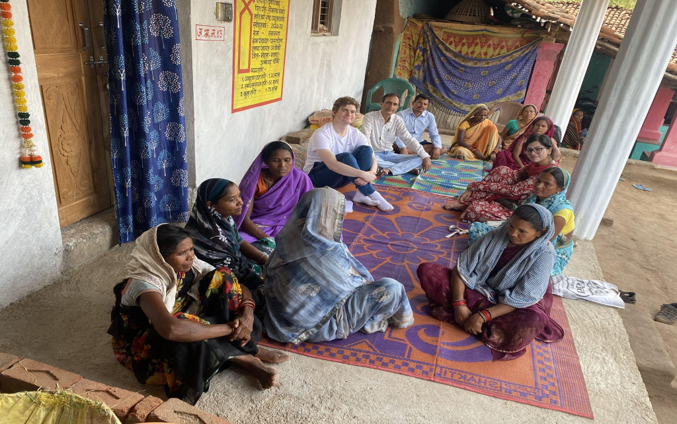
CRC typically collects feedback through surveys, interviews, and community consultations.
Questions cover satisfaction, accessibility, reliability, and the handling of complaints. The data is then compiled, analysed, and presented in a clear format that non-specialists can read and use.
The results can be used by institutions, service providers, and communities to review performance, address concerns, and improve service delivery.
Examples in Practice
- Bangalore Citizen Report Card (Source)
The Public Affairs Centre (PAC) conducted the first CRC globally in 1994, surveying Bangalore residents on city services, including water, electricity, and public transport. It became one of the earliest and most widely recognised examples of citizen-led assessment of government services.
- Delhi CRC initiative (Source)
The Public Affairs Foundation (PAF) – the specialised sister organisation of Public Affairs Centre (PAC) gathered user-experience metrics from thousands of residents across slum clusters, unauthorized colonies, and urban settlements.
- CRC in Karnataka (source)
Citizen Report Cards have been used in different parts of Karnataka to gather feedback on services such as healthcare, education, and local administration. Community members shared their views on the services they use and the challenges they face. This information helped public institutions understand issues that mattered to local communities.
Key Takeaway
Citizen Report Cards bring citizen feedback into conversations about public services and how they can be improved.
They help strengthen the connection between citizen feedback, institutional learning, and public accountability.
Want to Learn More?
Citizen Report Cards are closely linked to concepts such as Social Accountability, Citizen Participation, Participatory Governance, and Public Accountability.
Explore related glossary terms to learn more about the tools and approaches that support responsive and inclusive governance.