
What is Community-Based Participatory Research (CBPR)?
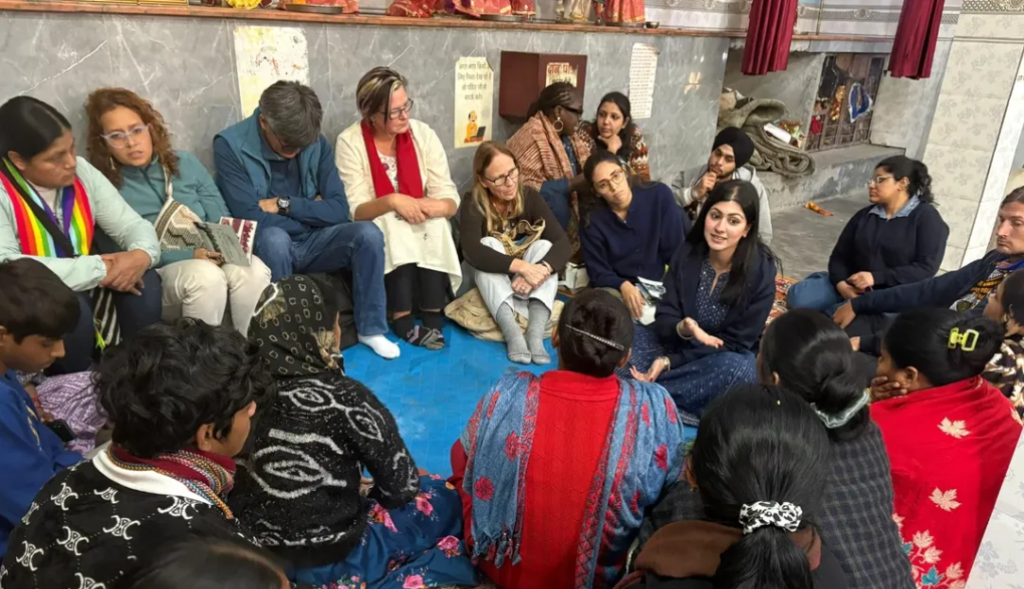
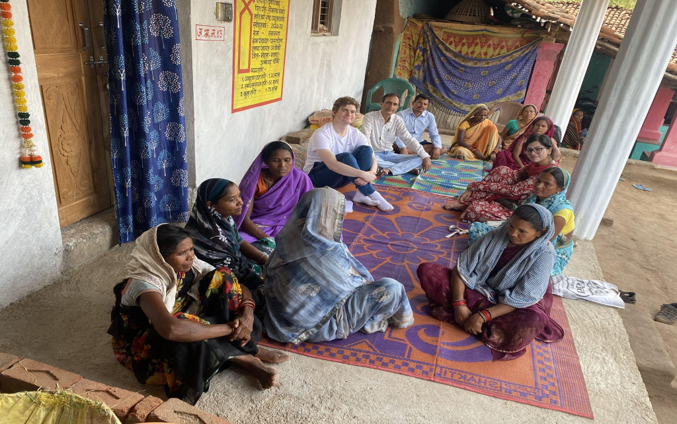
Community-based Participatory Research is a form of research in which communities are genuine partners in the research process, rather than passive subjects.
The term was developed to describe an approach that deliberately shifts the relationship between researchers and communities, away from extraction and towards collaboration.
In CBPR, community members help define what is worth studying, participate in designing the study, collect and interpret data alongside trained researchers, and have a say in how findings are communicated and acted upon.
CBPR applies those principles specifically in settings where the research is connected to real community health, social, or development challenges, and where community ownership of the process and findings is treated as both ethically necessary and practically important
Why Community-Based Participatory Research is Used?
The core argument for CBPR is that conventional research, designed and conducted by external experts, systematically misses things. It misses them because the questions it asks are shaped by what researchers already believe matters.
It misses them because communities are more likely to share honest information with people they trust. And it misses them because the knowledge that shapes how a problem is understood often lives in the community, not in the literature.
CBPR also produces research that is more likely to be used. When communities have been part of defining the question and interpreting the findings, they have a stake in the outcomes.
For practitioners in governance, healthcare, education, and social development fields, where research needs to translate into changed practice and policy, this is not a secondary benefit. It is the point.
When & Where Community-Based Participatory Research is Applied?
CBPR is mostly used in settings where a research question cannot be answered well without the active involvement of the local community it concerns.
In public health, it has been used to understand why communities do not use available services, what barriers exist to healthcare access, and how health programmes need to be redesigned to reach people who need them most.
In urban development, it has been used to generate community-produced data about informal settlements – data that municipalities and planners do not have and collect on their own.
PRIA’s own work illustrates this across decades, from supporting adivasi communities in the 1980s to document the impact of displacement, to the engaged citizens, responsive city programme, in which settlement improvement committees in Ajmer, Muzaffarpur, and Jhansi conducted Participatory Settlement Enumeration and produced data that directly informed city-wide sanitation planning.

How Community-Based Participatory Research Works?
CBPR does not follow a single fixed methodology, but it consistently involves a few core practices.
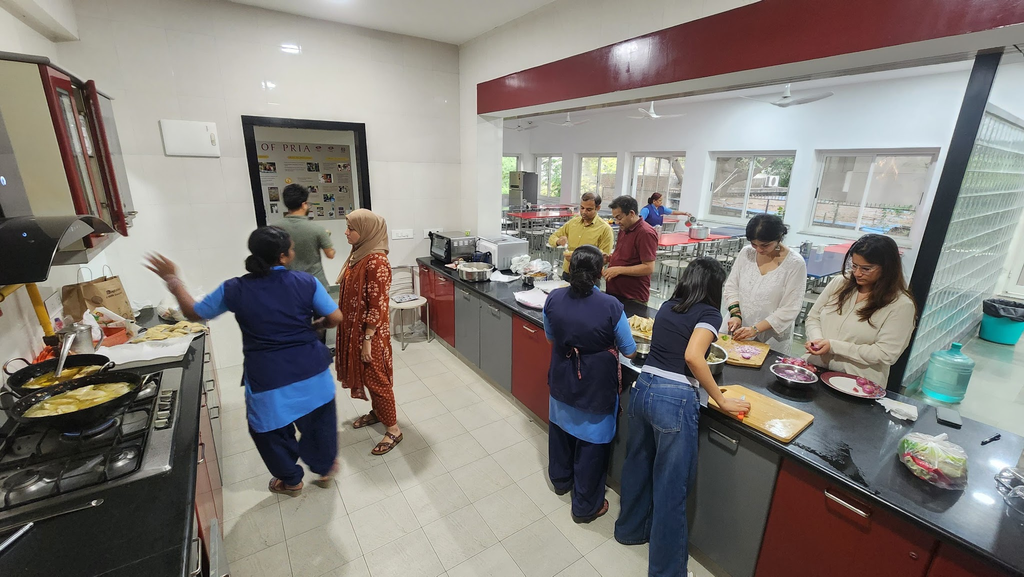
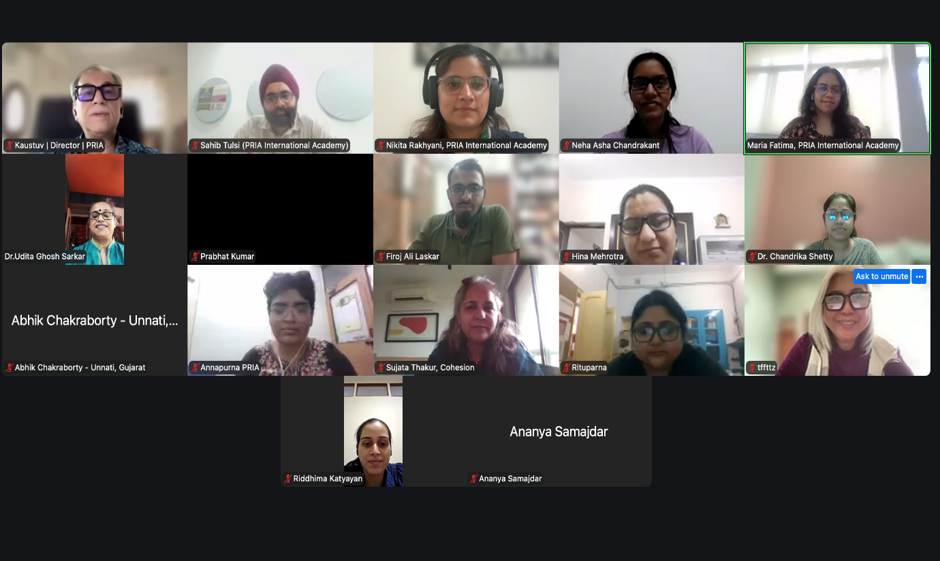
Researchers and community members build a genuine partnership first to establish trust, shared purpose, and agreement on what needs to be understood.
The process closes with action: findings are used to inform policy, advocacy, or practice, with communities involved in deciding how.