What if universities didn’t just teach about the world, but rolled up their sleeves and worked within it? Higher education and community engagement is the practice built around that idea. The below section walks through what the term means, why it holds weight, how it plays out, and where you can spot it at work.
What is Higher Education and Community Engagement?
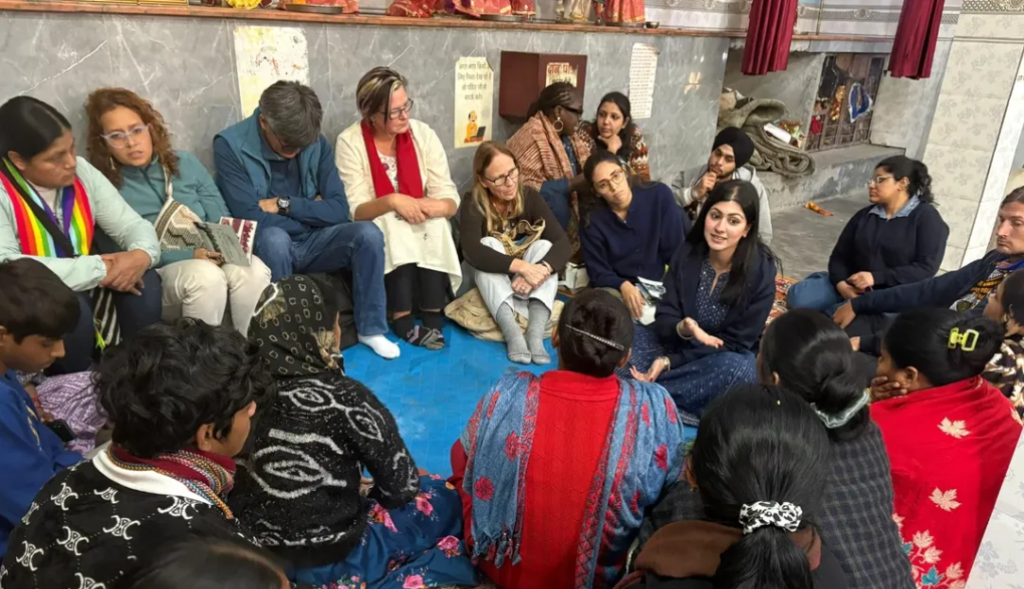
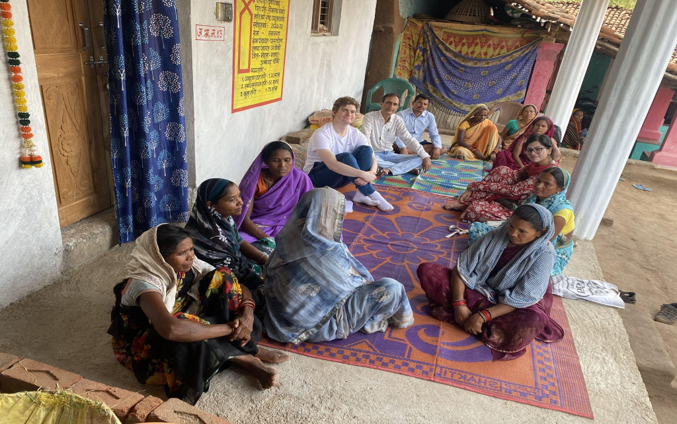
Universities and communities team up to tackle real problems, side by side, instead of one side studying the other from afar. The textbook version puts it as collaborative partnerships between universities and communities to co-create socially relevant knowledge and advance participatory development. Why bother? Because ideas hold up far better when the people they touch have a hand in shaping them.
Why It Matters
- Closes the distance between academic theory and what communities actually live through day to day
- Yields knowledge people can use on the ground, not findings that stay locked inside journals and lecture halls
- Pushes participatory development forward through learning that flows both ways, so communities edge closer to goals they set for themselves
How It Works
Universities and communities show up as equal partners, and each brings something the other can’t. Between them they build research, learning, and development knowledge that carries both scholarly weight and hard-won local insight. None of it gets shelved. What they produce loops back into participatory research and development, steering choices, sparking action, and leaving the community stronger than before.
Real-World Examples
A medical faculty runs a health survey with a rural community, and residents choose which questions matter most for their village. Somewhere else, students and local farmers test soil and water together, turning a class assignment into advice the community can put to use. Or picture a university design studio mapping safer public spaces with a slum settlement, with residents leading every walk-through and review.
Key Takeaway
- Recasts the university as a real partner, not a spectator on the sidelines
- Lays a two-way bridge carrying scholarship into society and society back into scholarship
- Makes higher education and community engagement a spark for shared, lasting change
Keep Exploring
Found this handy? Bookmark it and send it along to anyone curious about how universities and communities build knowledge together. Read related terms next, including Experiential Knowledge and Participatory Monitoring and Evaluation.
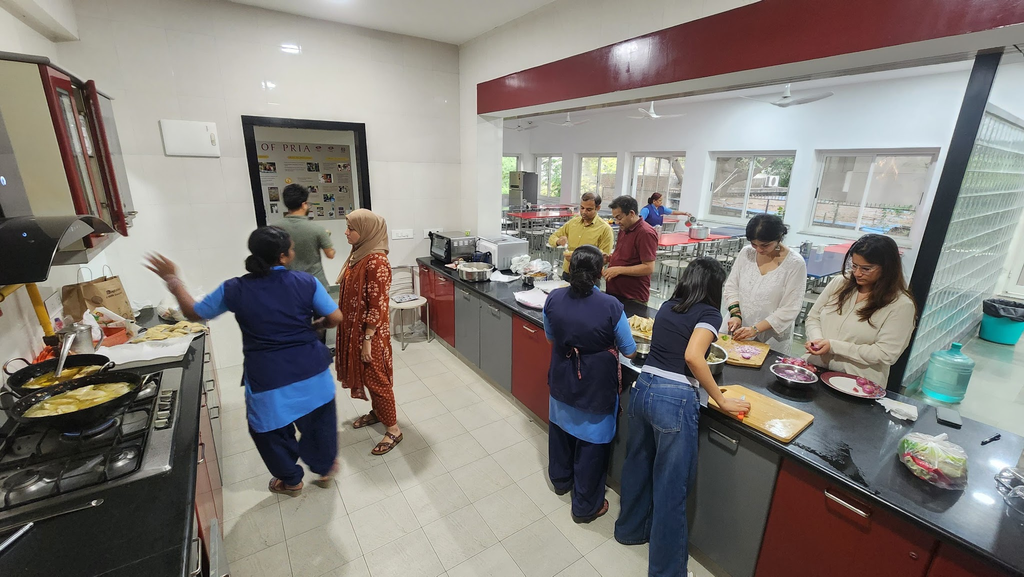
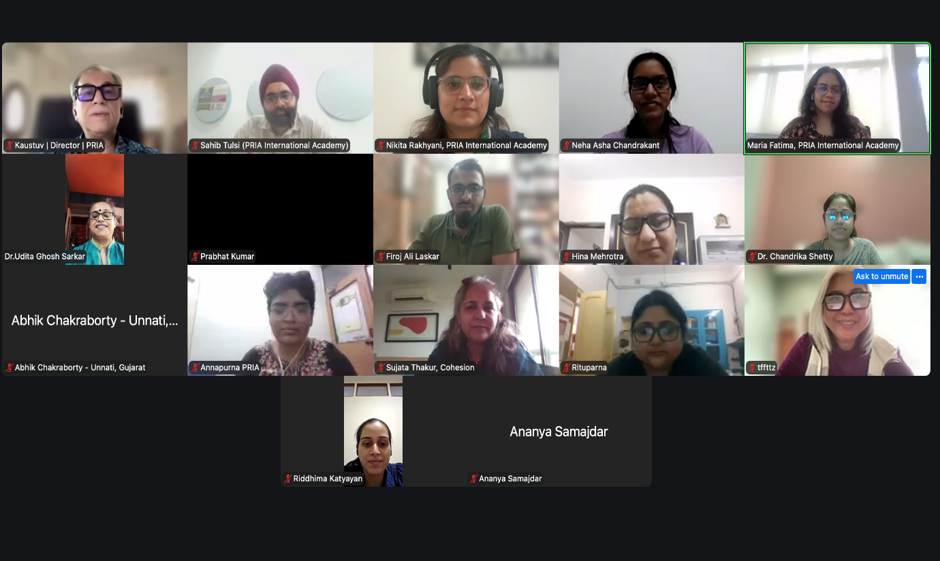
PRIA Academy also offers HEI Learning Visits that help higher education institutions understand how the development sector works and build practical skills through field exposure.
Learn more: https://www.priaacademy.org/hei-learning-visits