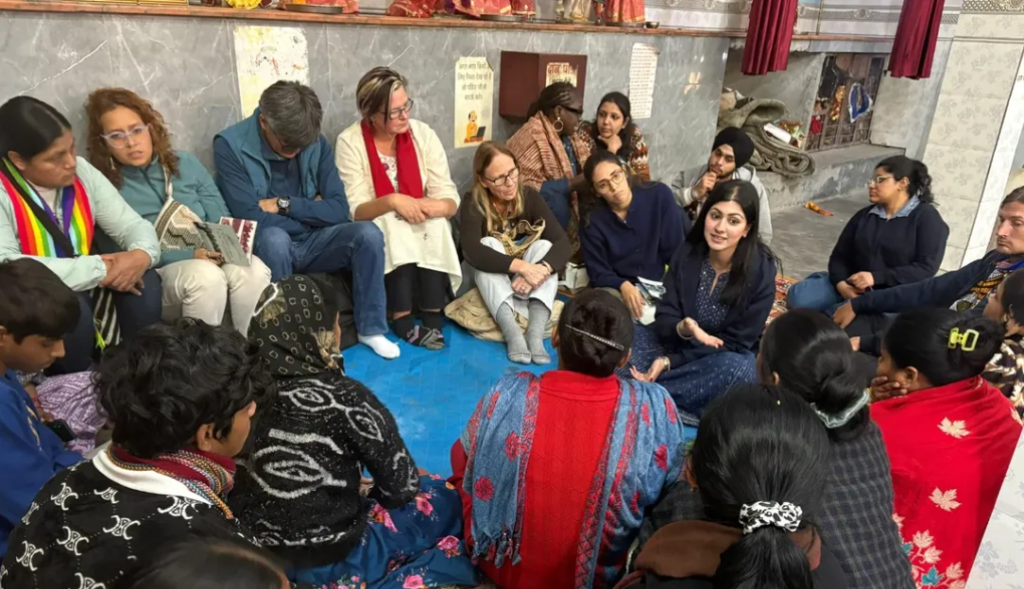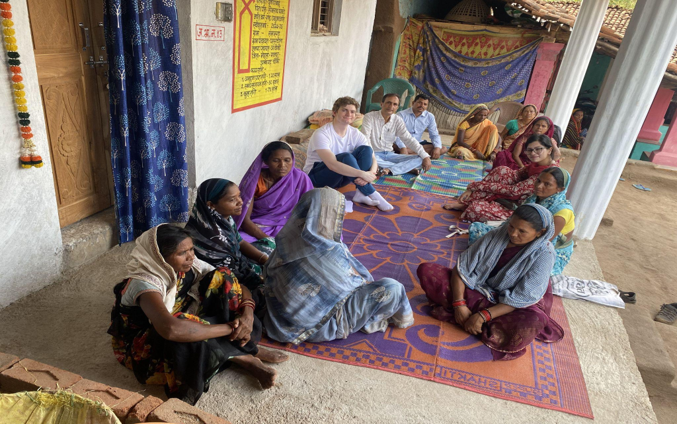
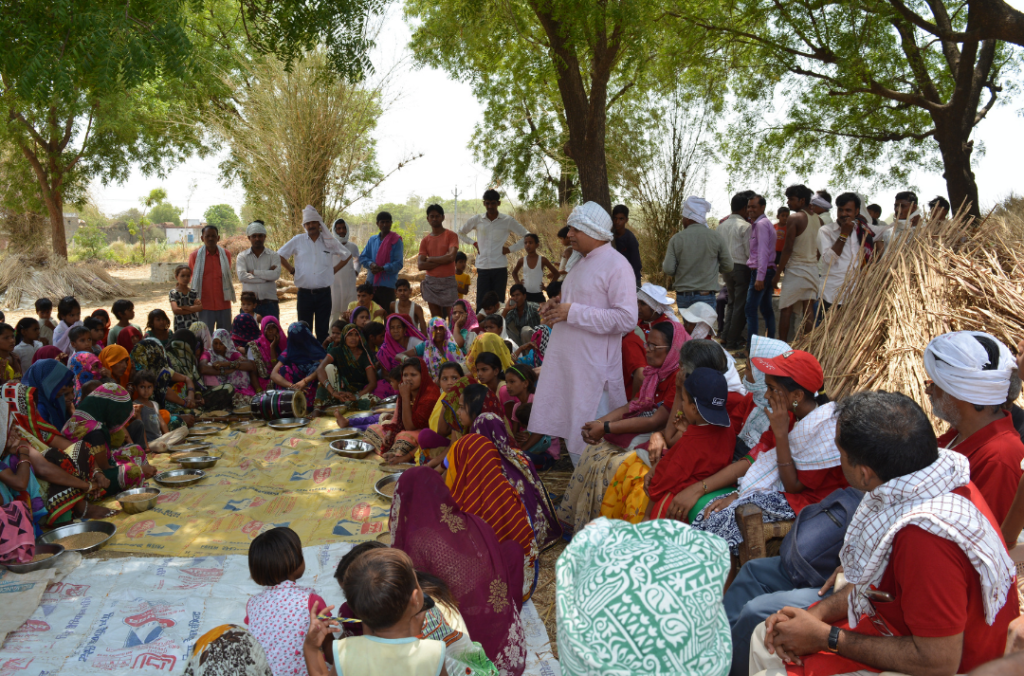
Ask someone in rural India who actually decided where the new handpump went, and they usually won’t say “the state government.” They’ll name their Panchayat, the body a few streets away.
What are Panchayats?
A Panchayat is an elected local government, operating at the village, block, and district level across India, together making up what’s called the Panchayati Raj system. They’re not informal community groups or a place to drop a suggestion and hope someone reads it. They’re constitutional bodies, meaning their existence and powers are written into the Indian Constitution itself, with real authority over local budgets, roads, water supply, schools, and sanitation.
There are technically three tiers, the Gram Panchayat at village level, the Panchayat Samiti at block level, and the Zila Parishad at district level, each elected directly by residents and each responsible for planning and spending within its area. But underneath all that structure sits one simple fact: decisions about a village don’t get made somewhere far off and handed down. They get made by the people who actually live there.

Why It Matters?
Nobody sitting in a state secretariat has seen the well that’s been dry since March. They don’t know which road turns to unusable mud every monsoon, or which family’s been carrying water twice the distance because of it. That kind of thing you only know by living near it, which is really the whole case for keeping governance local.
How does it work?
Each village selects by election its own Gram Panchayat directly. Above that sit block and district panchayats. Decisions are meant to start at the Gram Sabha, an open village meeting where anyone can stand up and raise a problem, before moving up the chain of command. Money gets spent on what the village itself flagged as urgent.
Real-World Examples
There’s a Panchayat in Rajasthan that had turned down a brand-new community hall the state was offering to fund. Instead, asked for a broken handpump to be fixed. One that had been sitting idle for eight months by that point. Nobody sitting in a state office would’ve known that pump mattered more than a shiny new building. Compare that to the schemes designed the other way round, top-down, where a borewell’s depth gets decided on paper somewhere, for a water table that turns out to sit nowhere close to what the file assumed.
Key Takeaway
A Panchayat is really just people governing the place where they live. Elections, tiers, budgets, all of it is just scaffolding built around that one basic idea.
How does decentralisation actually play out on the ground? PRIA International Academy’s Understanding Panchayati Raj Institutions course explores how local democracy functions across India.