
What if the people affected by a programme were also the ones judging its success and failures? That is the thinking behind participatory monitoring and evaluation. Below, we walk through what the term means, why it exists, how it works in practice, and where you can see it changing how programmes are judged.
What is Participatory Monitoring and Evaluation?
Participatory monitoring and evaluation hands the job of checking whether a programme worked to the people it was meant to help, rather than to an outside expert alone.
More formally, participatory monitoring and evaluation is an approach that strengthens organisational learning and accountability by directly involving primary stakeholders, especially communities and beneficiaries, in assessing processes and outcomes.
Why It Matters
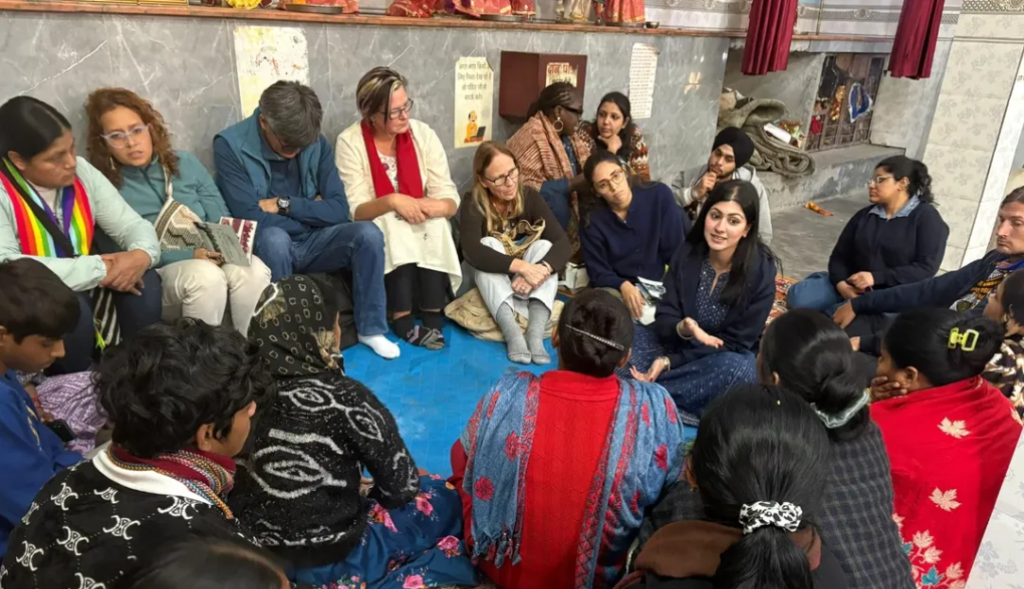
Most evaluations happen to a community, not with it. Participatory monitoring and evaluation flips that, putting communities and beneficiaries at the centre of the review instead of the sidelines.
That shift does two things at once.
- It strengthens organisational learning, since the people closest to the work spot problems outsiders miss.
- It builds real accountability, because findings come from those directly affected.
Above all, it turns evaluation into shared reflection rather than an outside verdict handed down after the fact.
How It Works
The people involved are the ones usually left out. Primary stakeholders, communities, and beneficiaries take an active role, sitting alongside programme staff rather than answering to them.
What they assess is both processes, how the work was carried out, and outcomes, what actually changed as a result. The real shift is in purpose. Instead of an external evaluator delivering a pass-or-fail judgement, the group reflects together on what worked, what did not, and what to fix next. Evaluation stops being a scorecard and becomes a tool for collective improvement.
Real-World Examples
The clearest examples come from work where communities hold the pen.
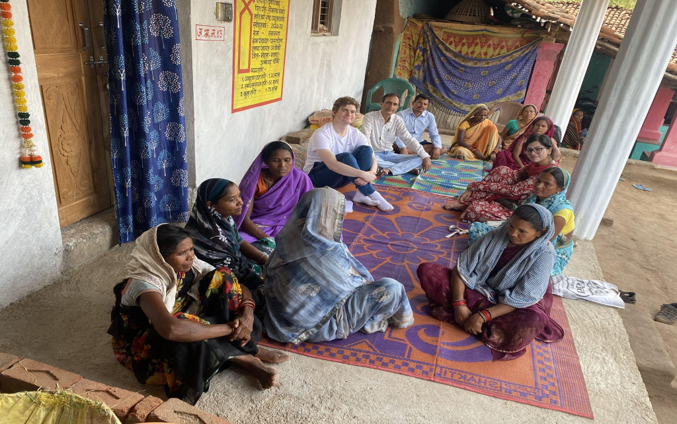
- Community-led programme reviews, common in rural development projects, gather villagers to score and discuss a scheme’s progress in their own words.
- Beneficiary feedback processes in health and education programmes let the people using a service flag gaps that official reports overlook.
- Community scorecards, used across parts of India and Africa, bring residents and providers into the same room to rate services and agree on fixes together.
Key Takeaway
Participatory monitoring and evaluation is accountability built from within. When the people a programme serves also judge it, evaluation becomes honest, grounded, and genuinely useful for making the work better.
Explore More
Found this useful? Bookmark this page and share it with anyone working in development, policy, or programme design. To go deeper, browse related glossary terms such as Evidence-Based Policymaking and Citizen Report Card, both of which sit closely alongside how communities hold programmes to account.
If you’d like to build practical expertise in this area, take a look at our course on Participatory Monitoring, Evaluation and Learning.