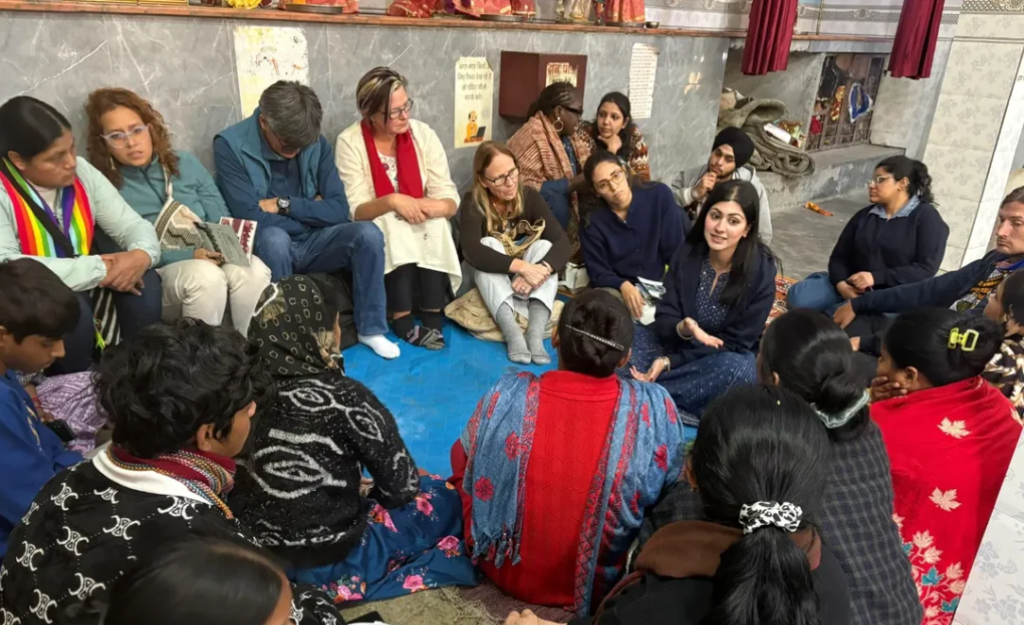
What happens when universities begin to see communities not simply as places to conduct research, but as partners in creating knowledge?
That question is central to the UNESCO Chair in Community-Based Research and Social Responsibility in Higher Education. This international initiative brings together universities, researchers, civil society organisations and communities to strengthen community-based research and make higher education more socially responsible.
What Is the UNESCO Chair in Community-Based Research?
Established in 2012, the UNESCO Chair in Community-Based Research and Social Responsibility in Higher Education is jointly based at the University of Victoria in Canada and Participatory Research in Asia (PRIA) in India. Dr Rajesh Tandon and Prof. Budd Hall co-chair it.
The partnership itself is significant. It connects a university in the Global North with a civil society and practitioner organisation in the Global South, bringing different traditions of research and learning into conversation.
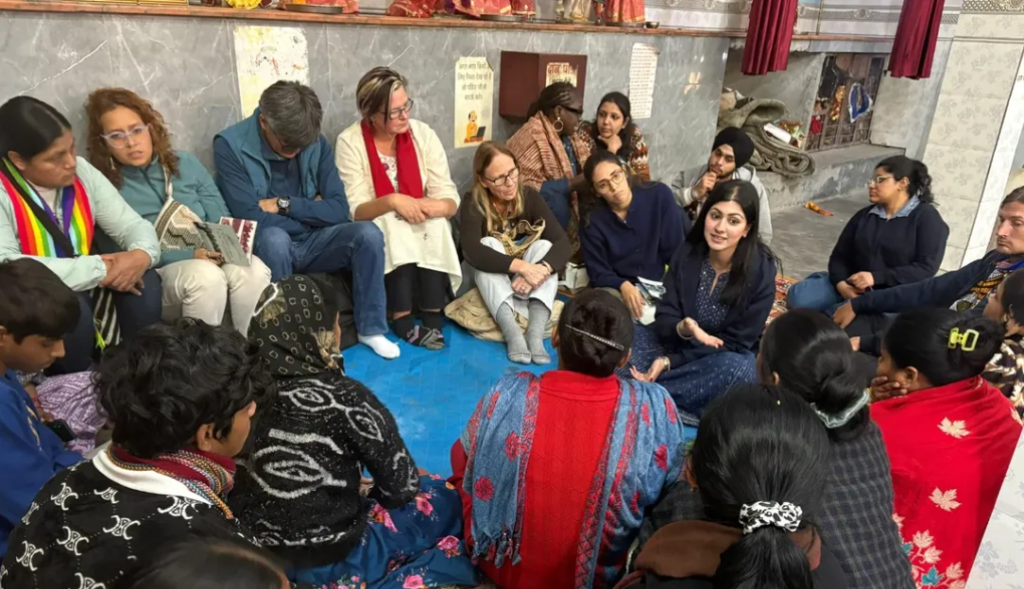
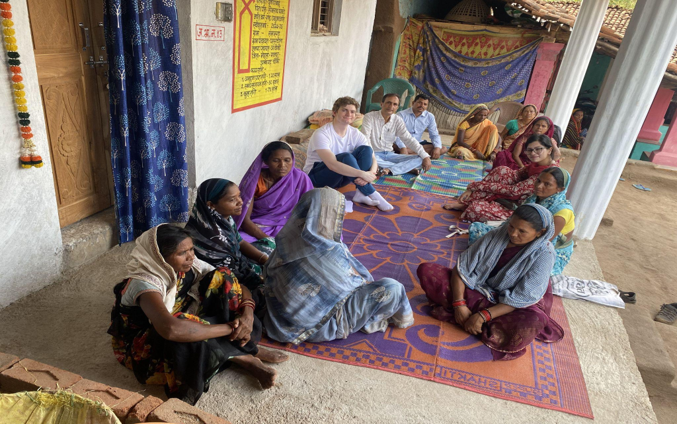
At the heart of the Chair is a simple idea: valuable knowledge exists both within and outside universities. Communities have knowledge shaped by lived experience, local histories and everyday problem-solving. Community-based research creates ways for this knowledge to contribute meaningfully to research, learning and action.
Why Does It Matter?
For a long time, academic research has often treated communities primarily as sources of information. Researchers would collect data, analyse it elsewhere and publish their findings, while the people who contributed that knowledge might have little influence over the process.
Community-based research asks for a different relationship.
It encourages universities and communities to identify questions together, learn from one another and produce knowledge that can respond to real social challenges. This approach is closely connected to knowledge democracy, which recognises that there are multiple ways of knowing and producing useful knowledge. PRIA International Academy’s own courses offer another route in for students who want hands-on grounding in these methods without needing a formal university affiliation.
How Does the UNESCO Chair Work?
The Chair works across three broad areas: research, training and policy advocacy. It builds partnerships among universities, civil society organisations, practitioners and policymakers while creating opportunities to learn and practise community-based research.
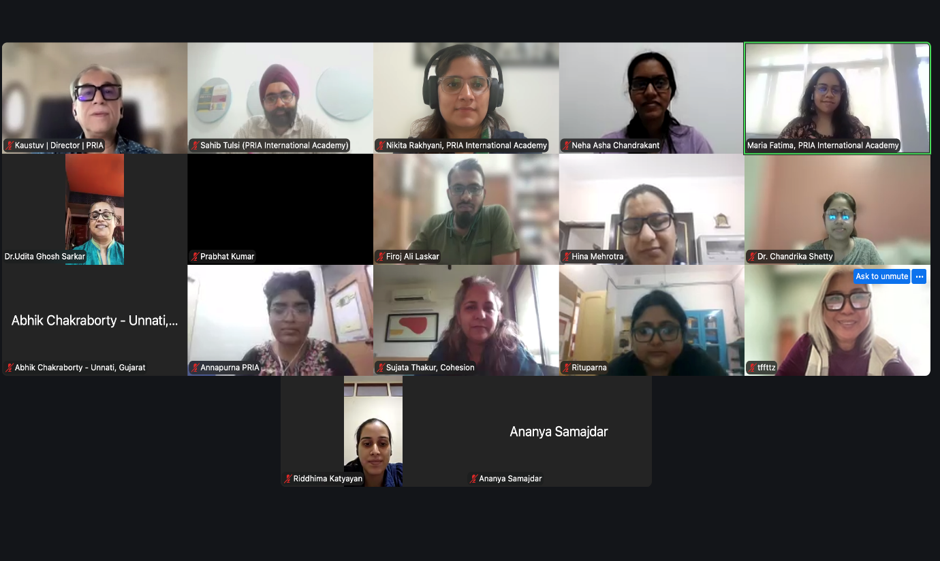
One example is the Knowledge for Change (K4C) Consortium, which supports training in community-based participatory research through a growing international network.
The Chair has also supported publications, international learning initiatives and work around Open Science and the democratisation of knowledge.
Key Takeaway
The UNESCO Chair in Community-Based Research helps bring communities and universities into a more equal relationship around knowledge. Its work demonstrates that research can be academically rigorous while also being participatory, locally grounded and useful to the people whose lives it seeks to understand.
To explore these ideas further, discover PRIA International Academy’s learning resources on participatory research, community engagement and knowledge democracy.