
What if cities were planned by, and for, the people living in them? That is the idea behind urban governance. This page breaks down what the term means, why it exists, how it works in practice, and where you can see it playing out in real cities today.
What is Urban Governance?
Urban governance is how a city is run, and who gets a say in running it. It covers the decisions behind roads, water, housing, and waste, and whether ordinary residents have a voice in those decisions.
More formally, urban governance is the participatory and accountable planning, budgeting and service delivery in cities that recognises migration, informality and climate vulnerability while promoting inclusive and locally led urban development. It exists because cities grow faster than old top-down systems can manage, and people living there deserve a hand in shaping them.
Why It Matters
- Urban governance decides whether a city works for everyone or only for a few.
- Done well, it makes planning inclusive and holds authorities accountable for what they deliver.
- It also faces the real conditions cities live with, rather than ignoring them.
- Migration fills cities with new residents. Informal settlements house millions.
- Climate risk threatens low-lying and unplanned areas first.
How It Works
Urban governance operates across three main functions: planning how a city develops, budgeting how its money gets spent, and delivering the services people rely on everyday basis. These are not handled behind closed doors alone.
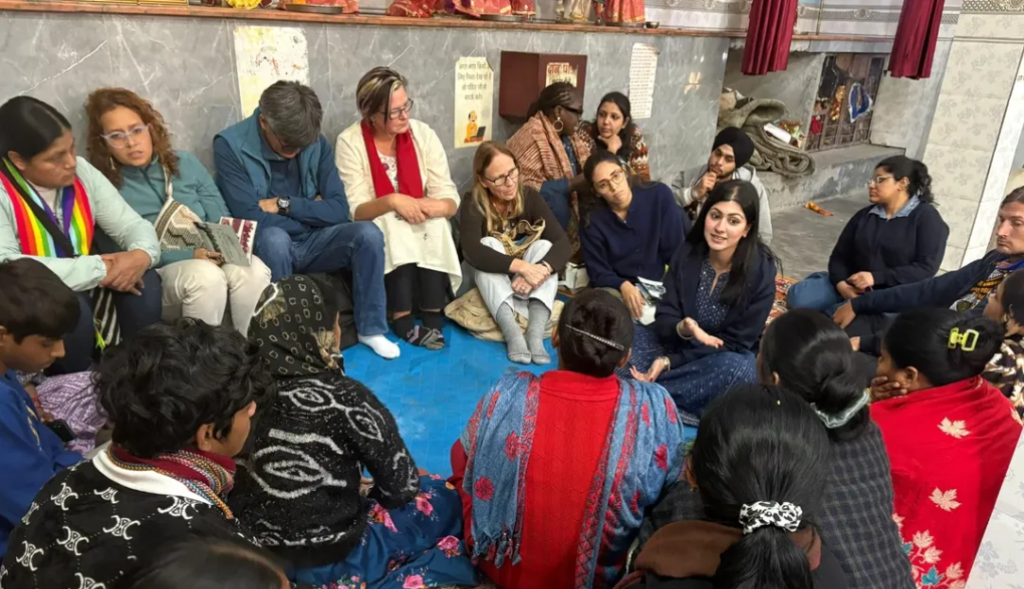
It also accounts for the messier side of city life, from migrant populations and informal housing to areas exposed to flooding and heat. The core of it is shared power. Citizens, local bodies, and institutions work together through consultations, ward committees, and participatory budgeting, so the people affected by decisions actually help shape them.
Real-World Examples
The clearest examples show up where cities include, rather than ignore, their most vulnerable residents.
- Participatory budgeting, first made famous in Porto Alegre, Brazil, lets residents vote directly on how part of the city budget gets spent.
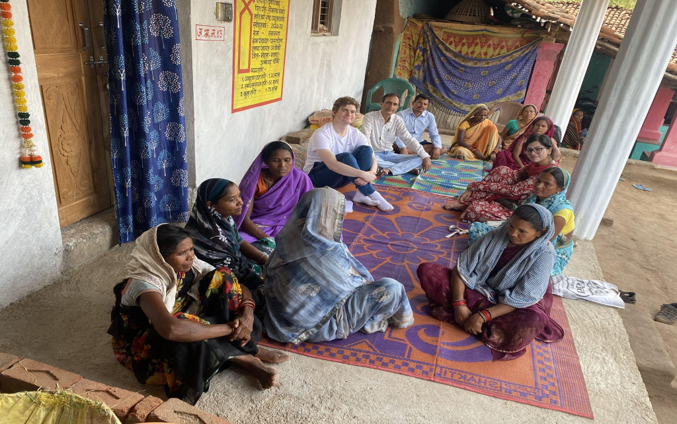
- In India, slum upgrading schemes have brought informal settlement residents into planning talks over water, sanitation, and secure tenure.
- Ward committee systems in several Indian cities give neighbourhood-level bodies a formal say in local service delivery, turning residents into active participants rather than passive recipients.
Key Takeaway
Urban governance is the foundation of liveable, inclusive cities. When planning, budgeting, and services are shared openly with the people who live there, cities become fairer, more resilient, and genuinely built for everyone.
Explore More
Found this useful? Bookmark this page and share it with anyone working on cities, policy, or community planning. To go deeper, explore related glossary terms such as Local Governance and Participatory Governance, which sit closely alongside how modern cities are run.
You may also find our piece on decentralisation in government useful for understanding how power shifts from central to local authorities.