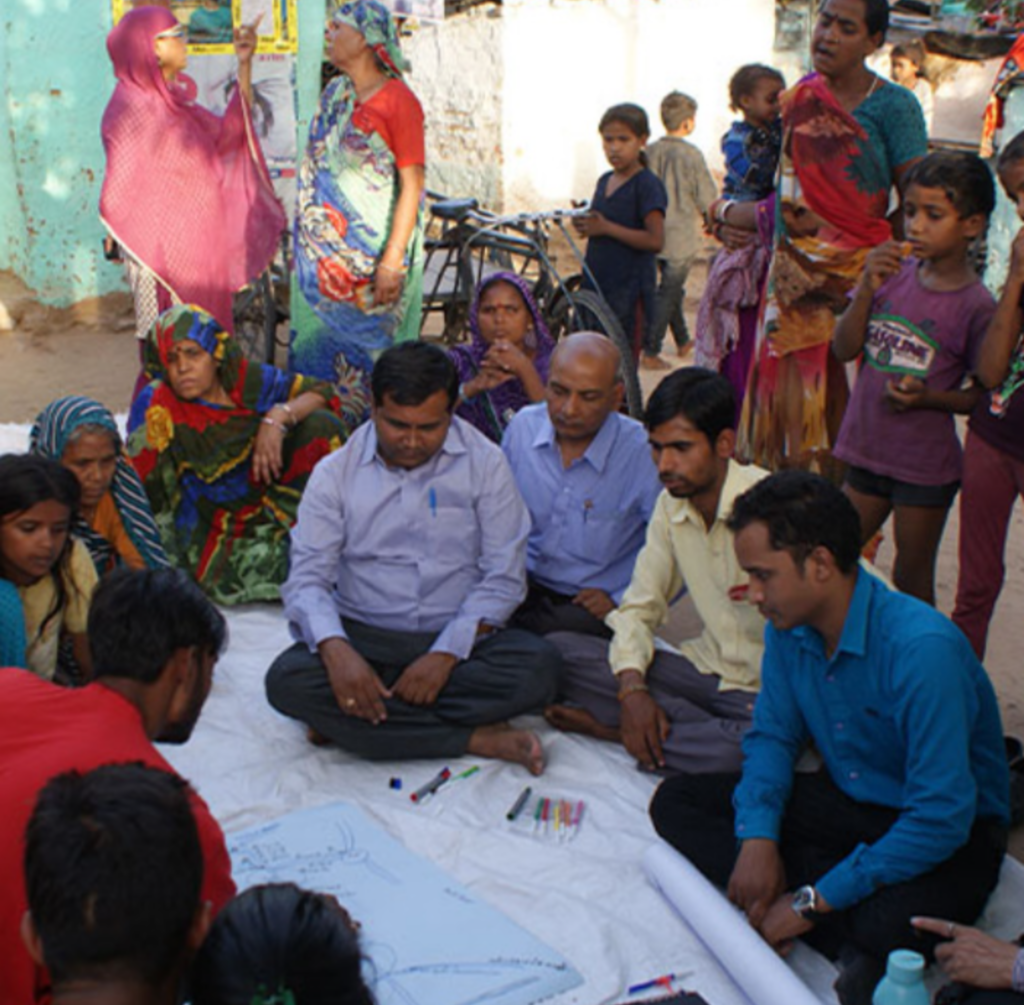
Think about the person everyone turns to in a village when the rains are late. It may not be a scientist. It may be someone who has worked on the same land for forty years.
That doesn’t make one kind of knowledge more valuable than the other. It simply reminds us that people learn in different ways. Some through study. Others through living, doing and adapting. Experiential Knowledge is about recognising that lived experience has something important to teach us. On this page, we’ll explore what it means and why it matters.
What is Experiential Knowledge?
Some things can only be understood by living through them.
A community rebuilding after floods. A group of women finding ways to improve safety in their neighbourhood. A farmer noticing small changes in the soil long before they appear in a report.
These experiences become knowledge.
Experiential Knowledge is the understanding people gain through their lived realities, everyday practices and the challenges they face together.
More formally, it is knowledge rooted in citizens’ lived realities, everyday practices and collective struggles, recognised as indispensable to democratic participation and social transformation. It reminds us that learning doesn’t happen only in classrooms or institutions. It also happens in homes, fields, workplaces and communities.
Why It Matters
Not every kind of knowledge is documented.
Some of it is passed down through stories. Some through practice. Some simply by doing something over and over again.
When we recognise Experiential Knowledge, we recognise that communities are not only participants in change. They are also a source of insight. Their experiences help shape better decisions, deepen democratic participation and turn everyday struggles into opportunities for collective learning.
How It Works
Experiential Knowledge grows quietly.
It grows when neighbours solve problems together, when traditions are passed from one generation to the next, when communities reflect on what has worked and what has not.
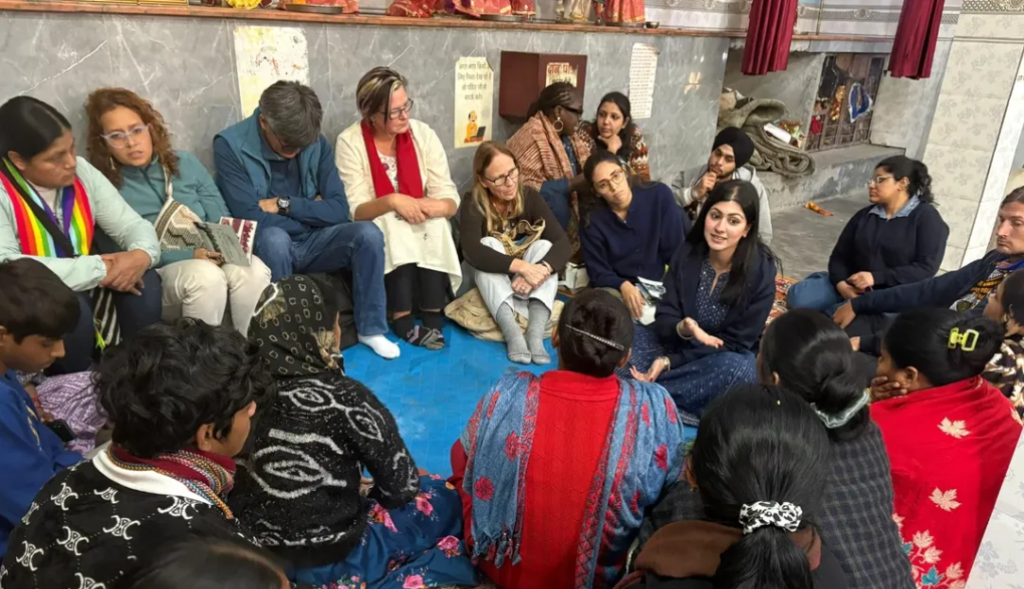
Participatory approaches create space for these experiences to sit alongside formal and technical knowledge. Rather than treating one as more important than the other, they encourage dialogue between different ways of knowing. That is often where new ideas begin.
Real-World Examples
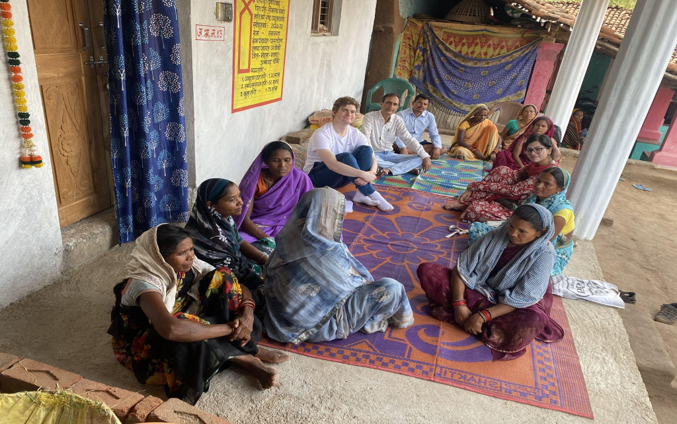
After years of changing weather, a farming community notices shifts in rainfall before researchers publish their findings. Oral histories can preserve memories of rivers, forests and local traditions that maps cannot capture. Grassroots groups often develop practical ways of responding to issues such as water shortages or public safety simply because they have lived with those challenges for years. Their experiences become knowledge that others can learn from.
Key Takeaway
Experiential Knowledge reminds us that expertise is not found in one place. It grows wherever people observe, adapt, reflect and learn from their own lives.
Continue Learning
At PIA, we see learning as a conversation between different kinds of knowledge. If this glossary sparked your curiosity, bookmark it and share it with others. You may also enjoy exploring Grassroots Leadership and Arts-Based Methodologies, where lived experience continues to shape participation, learning and social change.
For a closer look at how these ideas play out in practice, see our piece on participatory learning methods.