A community organisation may understand an issue closely but have limited access to policymakers. A research group may have strong evidence but little grassroots reach. An advocacy organisation may know how to build public attention but need credible data to support its case.
Coalition building brings these different strengths together around something they all want to change.
What Is Coalition Building?
Coalition building is the process of bringing together different organisations, groups, or individuals to work towards a shared goal.
Coalitions are often formed around issues that are difficult for one organisation to address alone, such as workers’ rights, gender equality, environmental protection, access to healthcare or changes in public policy.
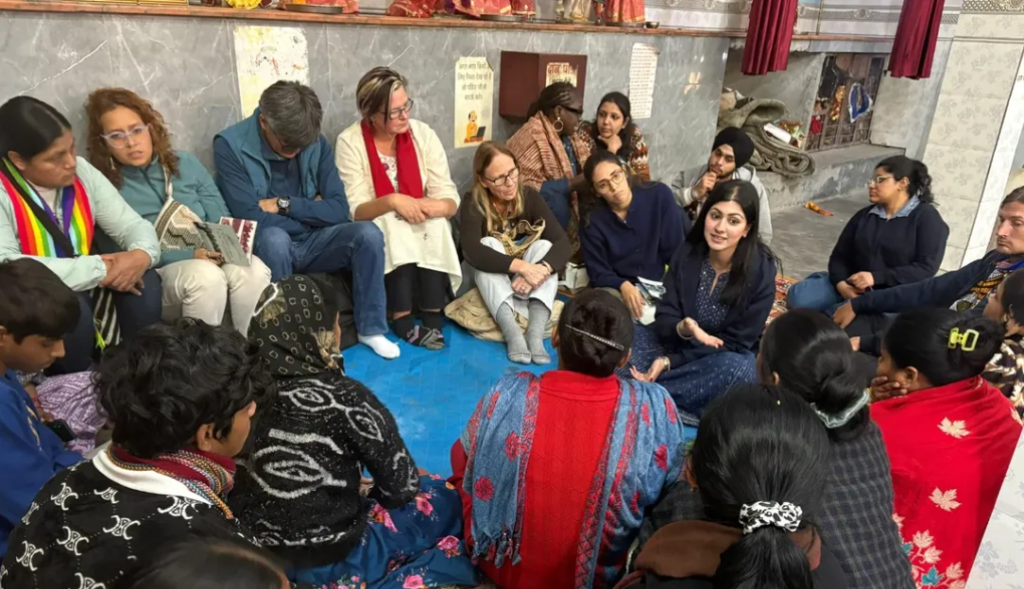
Importantly, coalition members do not have to agree on everything. A trade union, community organisation and legal advocacy group, for example, may have very different priorities in their everyday work. But if all three want stronger protections for informal workers, that common goal can give them a reason to work together.
Some coalitions last for a particular campaign. Others continue for years as the issue, and the workaround for it develop.
Why Does Coalition Building Matter?
There is strength in hearing the same concern from different parts of society.
When community groups, researchers, professionals and civil society organisations raise an issue together, they can bring different kinds of evidence, experience and influence to the conversation.
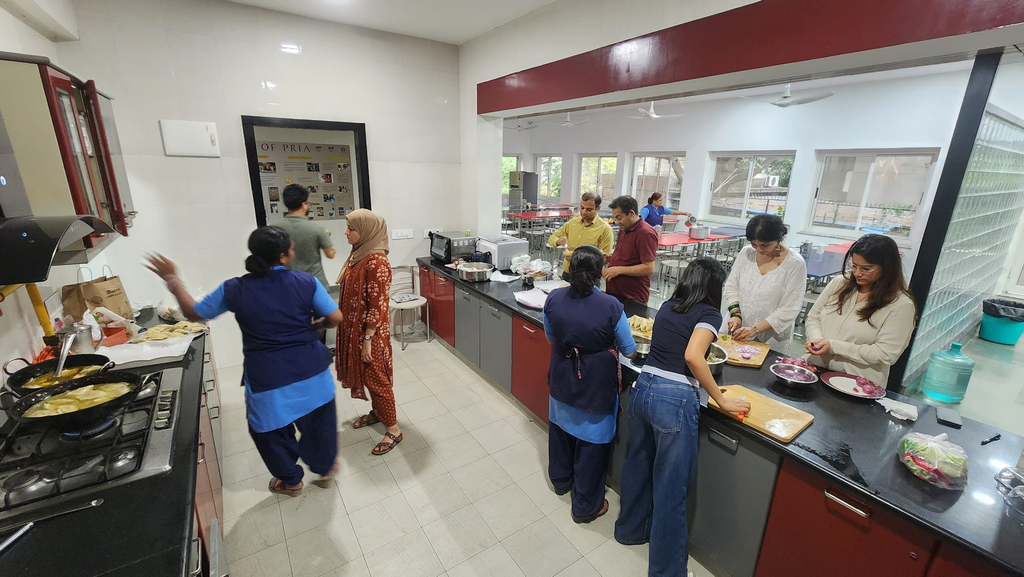
They can also share resources. One member may conduct research, another may have strong relationships within communities, while someone else understands policy processes or public communication.
Instead of duplicating efforts, a coalition can connect these strengths and build a wider base of support.

How Does Coalition Building Work?
A coalition usually begins with common ground: What change does everyone around the table want to see?
Members then decide what they can realistically achieve together and what each participant can contribute. Responsibilities may include community mobilisation, research, advocacy, communication, legal support or engagement with policymakers.
The harder part often comes later.
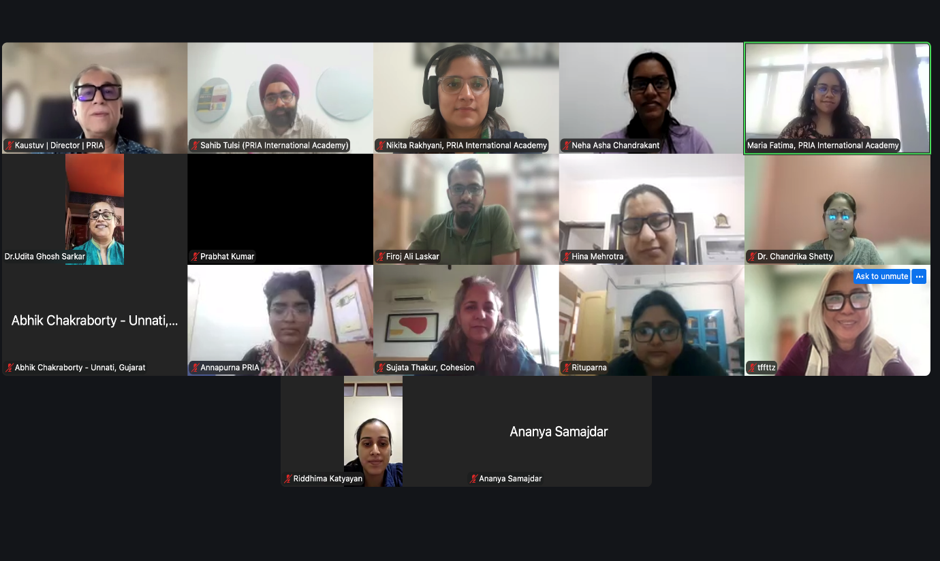
Different organisations have their own priorities, working styles and expectations. They may disagree about strategy, visibility, funding or how quickly to act. Successful coalition building, therefore, also depends on trust, clear communication and a willingness to negotiate differences without losing sight of the shared goal.
What Does Coalition Building Look Like in Practice?
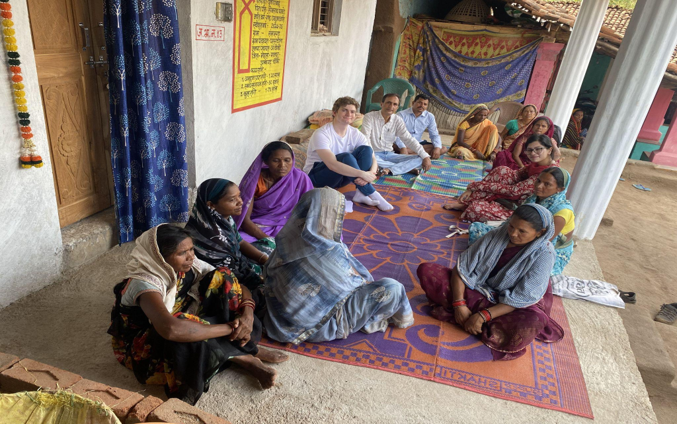
Imagine informal workers seeking better workplace protections. Worker collectives may bring first-hand experience of unsafe conditions, legal organisations can explain gaps in existing protections, and researchers can document patterns across a larger group.
Working together gives them a stronger evidence base and a wider platform from which to engage decision-makers.
Similar coalitions can form around environmental concerns, public health, education, gender rights or access to essential services.
Key Takeaway
Coalition building is about turning separate strengths into collective action. It allows groups with different experiences and capabilities to work towards a common purpose while recognising that they do not need to agree on everything to achieve something together.
Explore the PRIA International Academy to understand how coalition building connects with advocacy, participatory governance and collective action.