
Grassroots leadership is a transformative approach in which influence, vision, and action emerge organically from within a community or organisation; it’s an effective means of effecting community change.
This approach empowers everyday individuals who take the initiative to address issues affecting their communities and encourages others to participate in finding solutions.
It plays an important role in strengthening community participation, collective action, and local decision-making.
What is Grassroots Leadership?
It means that community members step in to lead, organise, and improve their own surroundings, relying on personal insight and shared struggles rather than being appointed from above.
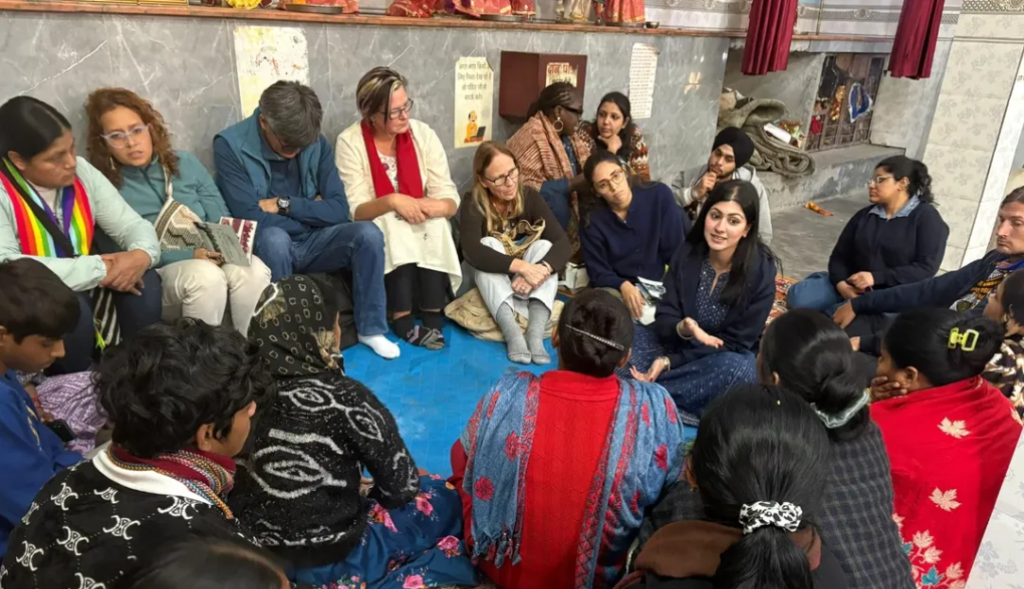
That means leadership comes from within a community. It involves ordinary people stepping up to address issues that directly affect their lives, using their insights and experiences to drive a significant change.
Why does it matter?
Grassroots itself means starting from the ground up, with ordinary people in communities bringing about change rather than those in power.
These leaders understand their communities’ needs and take an active role in addressing issues that affect their daily lives. When local leaders spearhead initiatives, community-owned change occurs because the solutions belong to the people who build them, not to an outside agency.
How does it work?
Grassroots leadership is a bottom-up approach where individuals from the community drive change organically. It works by relying on lived experience, deep local trust, and shared values to rally neighbours and address immediate, community-level needs.
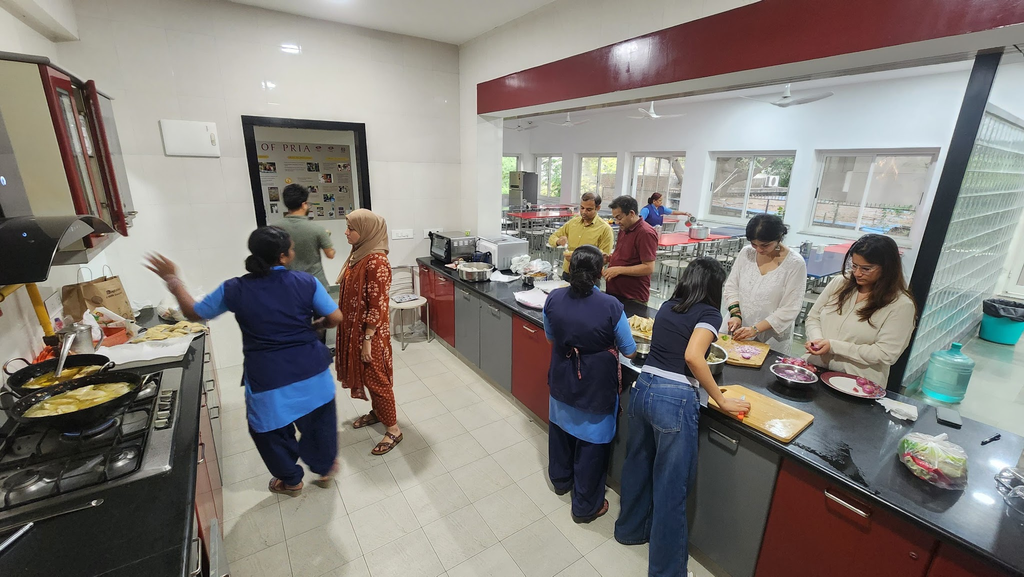
They may organise meetings, raise awareness about local issues, encourage participation, or bring communities together around shared concerns. They act as a link between communities and institutions.
Leaders translate community experience into specific demands and hold decision-makers to account – often through the same accountability tools that social accountability processes rely on.
Real-World Examples
- Self-Help Groups (SHGs), India:
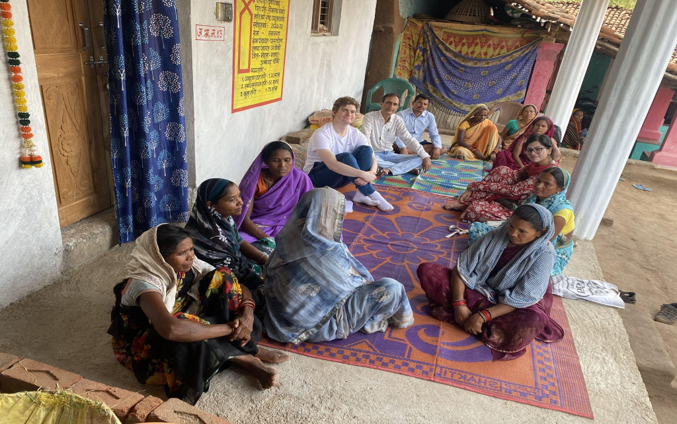
Women participating in Self-Help Groups often take on leadership roles within their communities. They help organise meetings, support collective decision-making, and address local issues affecting group members. - Community Health Volunteers:
In many communities, local volunteers help raise awareness about health issues, share information, and connect people with health services. Their work is often based on trust and regular engagement with community members. - Local Development Committees:
Community members involved in local committees often take the lead in identifying priorities, organising activities, and engaging with local authorities on issues affecting their area.
Key Takeaway
Grassroots leadership begins within communities and is built on trust, participation, and shared action. It helps communities organise around local priorities and strengthens their ability to engage with institutions and decision-making processes.
Explore More
Grassroots leadership is closely linked to concepts such as citizen participation, community mobilisation, decentralisation, and social accountability.
Explore related glossary terms to learn more about how communities contribute to inclusive and participatory development.