Author Archives: Anonymous

My First Field Visit in India: Reflections from Rural Chhattisgarh

I had arrived in India from Ireland with a sense of nervous excitement underpinning a medley of preconceptions. This trip marked the culmination of my Master’s study in Development Practice.

Several months earlier, I had applied for an internship with PRIA to support the DECODE Knowledge Project, which explores how local and indigenous knowledge can contribute to addressing development challenges—an area that had also become the focus of my dissertation. The opportunity to explore both this field of research and a country that had long occupied an almost mythical status in my imagination was one I could not pass up.

The specific topic I had chosen to study was how communities perceive and experience development interventions, and how these experiences may shape the conditions underlying knowledge integration. I therefore planned to conduct qualitative interviews with community members during my time at PRIA.

The organisation arranged a field visit to rural communities surrounding Raipur, a city whose name I had heard for the first time when informed of the visit. I was therefore about to undertake unfamiliar work in an unfamiliar place, all in pursuit of the data needed to complete a demanding year of study. My wish to move beyond familiar boundaries had truly been granted.

The Visit

Day 1

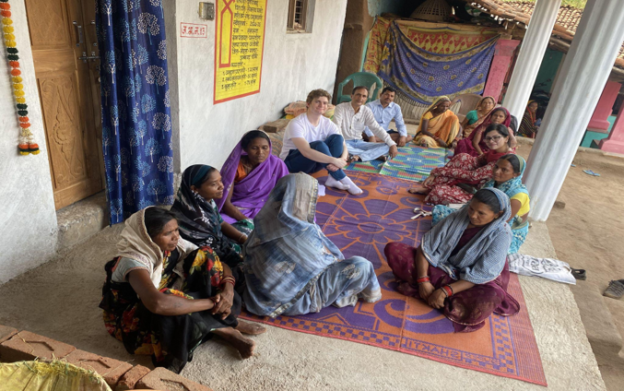
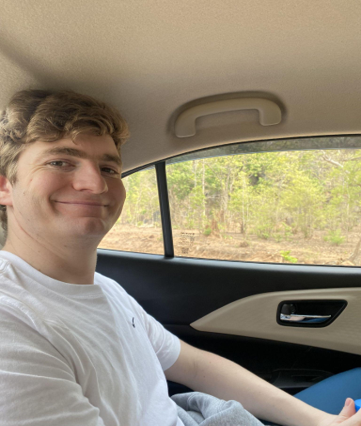
The interviews were conducted in collaboration with an organisation called Samarthan as part of its programme aimed at empowering forest communities. The car journey to the first destination offered my first glimpse of life in rural India. Passing through villages, I noted the noise, bustle, and enterprise—a stark contrast to sleepy rural Ireland. The groups of cattle wandering along the roads provided an anchor of familiarity within an otherwise alien scene.
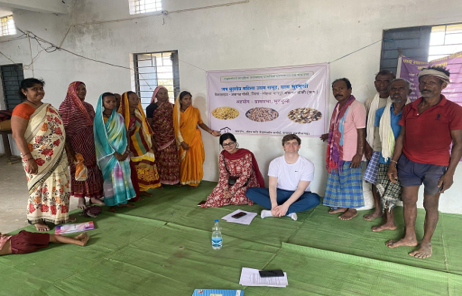
As we greeted the community for the first group discussion, I was struck by a sharp sense of self-consciousness, adorned in the most Western-style attire possible and immersed in a conversation I could not decipher. My duty, therefore, was to observe, and in doing so, I saw the trepidation I was feeling reflected on the faces of the participants. Despite this, I found the atmosphere friendly and welcoming.

Although my supervisor passed me notes in English while conducting the interview in Hindi, it remained difficult to keep pace with the discussion. I felt I should have been contributing more, yet those contributions were slow to form. The detail and length of the conversation nevertheless left me with the impression that valuable insights had been gained.
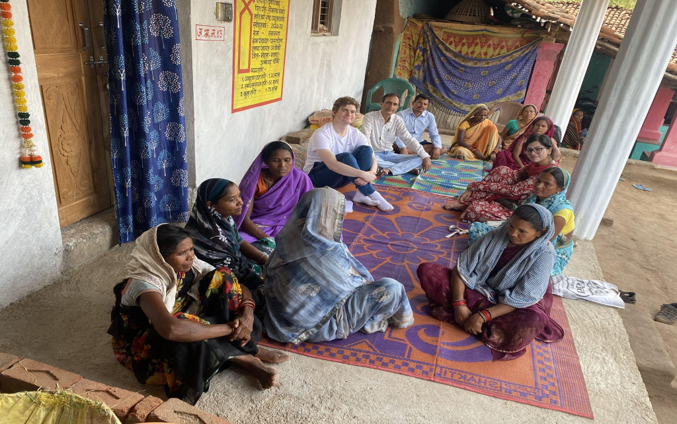
The second conversation took place at a different location, in a house built in the traditional style of the region. The group this time were hesitant to engage; one of the drawbacks of a rapid-fire visit without sufficient opportunity to build rapport. With that, the first day’s tasks had concluded.

Reflecting on the day, the phrase “baptism of fire” sprang to mind.

Although I left feeling frustrated that I had not contributed as much as I had hoped, I soon realised that these challenges were themselves part of the learning process and an inevitable feature of the kind of work I had come here to do.

The second conversation took place at a different location, in a house built in the traditional style of the region. The group this time were hesitant to engage; one of the drawbacks of a rapid-fire visit without sufficient opportunity to build rapport. With that, the first day’s tasks had concluded.

Reflecting on the day, the phrase “baptism of fire” sprang to mind.

Although I left feeling frustrated that I had not contributed as much as I had hoped, I soon realised that these challenges were themselves part of the learning process and an inevitable feature of the kind of work I had come here to do.

Day 2

Now having more of an idea of what to expect, some of the initial anxiety had subsided, replaced by a sense of mental readiness and determination to make the most of the day’s offerings.

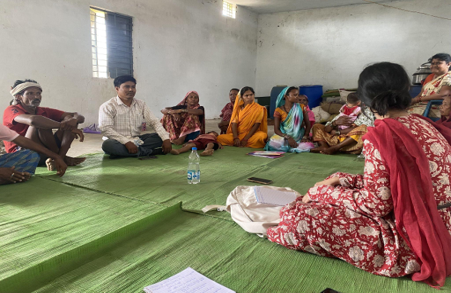
The first meeting took place in the panchayat hall. The conversation was open and almost jovial at times, with members freely contributing and breaking into occasional laughter. The warmth of the welcome we received could be felt clearly despite the language barrier. The group took an active interest in who I was and where I was from. When “next to England” was used to explain the location of Ireland, it felt curiously ironic that the shared colonial histories of our two countries had, in that moment, become a point of reference that seemed to bridge the cultural divide.
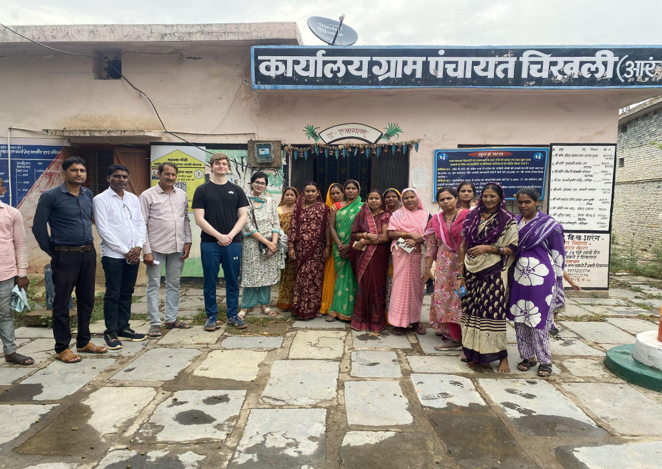
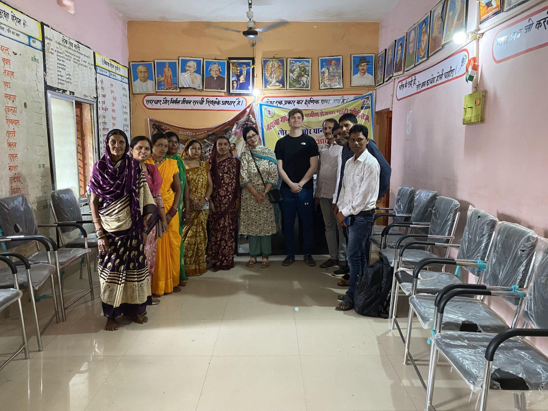
Although I still could not fully follow the flow of conversation, the difference in atmosphere from the previous day was palpable. Today’s discussions felt more like group conversations than formal interviews.

This highlighted the importance of building rapport with participants when undertaking this type of research, as well as the varying levels of effort different groups may require to establish it.

Upon returning and analysing the data gathered, however, I learned that the first day’s interviews had ultimately been more insightful for the research itself, demonstrating that a free-flowing, open conversation does not automatically translate into stronger research findings.

Personal Reflections
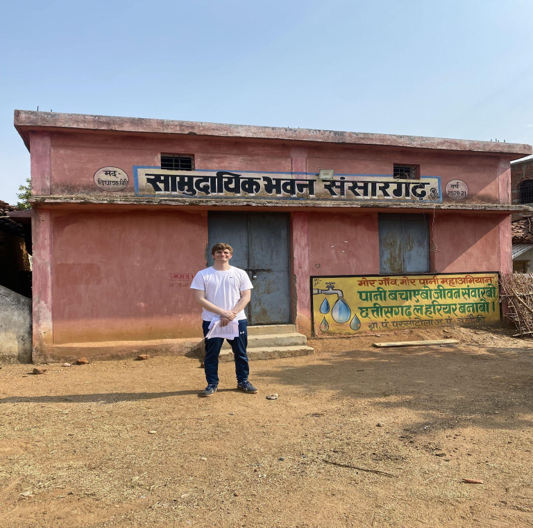
My first experience of conducting qualitative research was at times overwhelming. My sense of standing out stemmed not only from cultural differences but also from my relative lack of expertise. The language barrier presented a particular challenge, preventing me from influencing the process to the extent I would have liked. I was frustrated that I could not sharpen my own interviewing skills and was instead relegated to an observer’s role.

The time constraints of our visit highlighted the importance of time spent with the community in this type of research. The schedule left little opportunity for getting to know participants and vice versa, perhaps the key to partially remedying my status as an outsider. More time learning about the community beyond data collection, observing and even participating in daily activities, could only have strengthened a collaborative atmosphere. Crucially, these experiences demonstrated the relevance of positionality in practice, a concept that had seemed abstract in the classroom.

Seeing firsthand how this type of research is conducted was extremely valuable and enlightening. Only once I had time to gather my thoughts did the gulf between where I was, what I was doing, and my ordinary life begin to sink in. The wonder of seeing a part of the world unfamiliar to most people in my social circles was accompanied by a poignant awareness of some of the everyday realities faced by communities there. Seeing what appeared to be primary-school-aged children moving piles of bricks, the prevalence of people walking barefoot, and the widespread accumulation of litter due to an apparent lack of infrastructure made evident how easily such comforts are taken for granted in Ireland.

It was only after returning and transcribing the interviews that I began to appreciate the deeper context underlying the trip. Participants spoke at length about their traditional knowledge, the history of their community, the close relationship between their livelihoods and the forest, cultural practices, and much more. One aspect that particularly shocked me was the apparent level of neglect they had experienced from the government. If meaningful community-based research rests on mutual trust, respect, and understanding, I found myself wondering to what extent such relationships can be achieved between people with such fundamentally different contexts.

My own life had never included anything resembling the dismissal, or even apparent contempt, that community members described experiencing regarding their own needs. Although studying Ireland’s colonial past had given me some historical appreciation of these issues, I felt that appreciation, rather than genuine understanding, marked the limit of what I could claim. Human experiences that had existed only in history within my own consciousness were suddenly made tangible.

While a year of study had provided an introductory and theoretical understanding of the field, this experience offered direct contact with the element that cannot truly be captured in the classroom: its human implications.

Time spent with the communities embodied the realities behind the issues we had studied, and with that came a deeper appreciation of the responsibility inherent in this work. Of all the lessons the trip provided, this was perhaps the most profound. To have gained this exposure at such a formative stage of my development is an experience I feel deeply privileged to have had—one that has fundamentally shaped my perspective, fostering a sense of care and humility that I hope to carry into all future endeavours.
Participatory Learning Methods

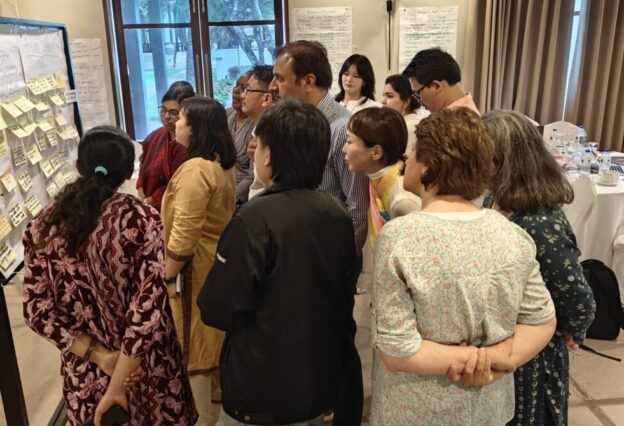
5 Participatory Learning Methods and Action Techniques You Can Apply Today

Across training and capacity-building spaces, learning is still approached as a one-way process, where information is delivered rather than explored.

However, in practice, learning tends to become more meaningful when participants are actively involved in shaping it. This is where participatory learning methods and action become important. 

Rather than focusing only on content delivery, they create spaces for dialogue, reflection, and shared analysis. In doing so, participatory training methods help connect learning with lived experience, making it more relevant and actionable.

The following examples highlight how commonly used participatory training techniques can be applied in practice.

Structured Group Discussions (Dialogue Circles)

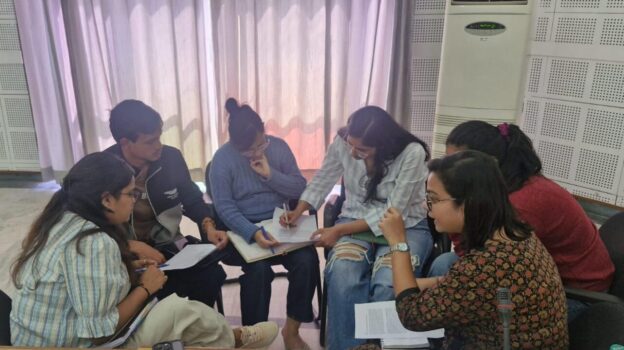
One of the widely used participatory learning methods is structured group discussion. Instead of presenting information, facilitators create space for participants to reflect on a shared issue.

In practice, this involves small groups discussing real situations while facilitators guide the conversation through questions rather than answers. As perspectives are shared, a more collective understanding begins to take shape.

This approach works in part because it brings together diverse experiences and encourages more equal participation. It also helps ground learning in real contexts rather than abstract ideas.

In many cases, beginning with an open-ended question instead of a presentation can significantly shift how a session unfolds.

More Reads: How to Apply the Theory of Change for Greater Impact in Community Development

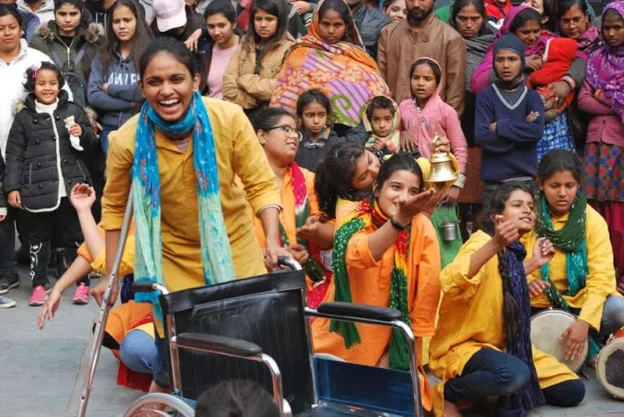
Role Plays and Simulations

Some aspects of learning are difficult to fully grasp through discussion alone. This is particularly the case when dealing with situations that involve decision-making, negotiation, or conflict.

Role plays and simulations address this by allowing participants to engage directly with real-life scenarios. By stepping into different roles, such as community members or local officials, they begin to see how actions unfold and how different viewpoints interact.

Participatory Mapping

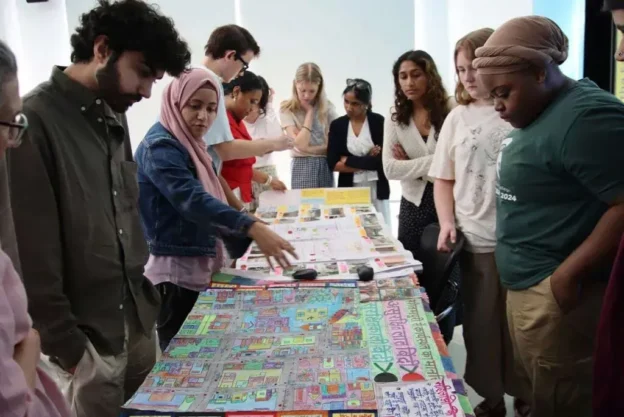
Participatory mapping brings a visual dimension into the learning process. Participants work together to draw representations of a community, system, or issue they are trying to understand.

As these maps take shape, pattern gaps and relationships begin to emerge that often highlight aspects that may not surface in conversation alone.

As part of participatory learning methods and action, this approach helps groups build a shared perspective, making complex situations easier to understand.

More Reads: Why Is PRIA’s Participatory Approach the Need of the Hour

Case Studies

Consider a situation where a programme achieves limited impact despite strong planning. When explored as a case, such cases often reveal gaps between intent and practice.

Case studies use real or context-based examples to examine decisions, outcomes, and underlying factors. It helps connect theory with practice, enabling participants to reflect on how similar situations might unfold in their own contexts.

Reflection and Action Planning

A learning process can lose momentum when they end without a clear sense of direction. While discussions may generate useful insights, these do not always translate into action.

Reflection and action planning help address this by connecting learning with next steps. Participants consider what stands out for them and how it relates to their own context, before identifying what they might do differently moving forward.

As part of a participatory training method, this step helps ensure that learning is carried into practice rather than remaining at the level of discussion.

More Reads: Why Participatory Research Tools Matter for Development Sector Professionals?

Conclusion

Participatory learning is not about engaging people in the process; it is about enabling them to shape outcomes. When applied thoughtfully, participatory training techniques create learning environments that are reflective, contextual, and action-oriented.

Effective facilitation depends on how these approaches are adapted to specific groups and contexts. This is not a fixed skill, but one that develops over time through experience, reflection, and continued learning.

Structured opportunities for such learning, such as those offered by PRIA International Academy’s course on Facilitating Learning, can help practitioners strengthen their ability to apply participatory approaches in meaningful ways.

How to Apply the Theory of Change for Greater Impact in Community Development

Across development practice, programmes often begin with ambitious goals – reducing poverty, improving health outcomes, strengthening local governance. Yet, in many cases, the change envisioned at the outset does not fully materialise over time.

What is often missing is not intent, but a clearly articulated pathway that connects actions to outcomes within the lived realities of communities.

This is where a well-developed theory of change framework becomes particularly helpful – not as a statistic framework but as a way of thinking through how change unfolds in practice.

PRIA International Academy’s two-day workshop on Using Theory of Change for Greater Impact is designed to bring that on-ground understanding into a structured learning environment, equipping practitioners to build and apply their own theory of change.

Understanding the Starting Point

Applying the theory of change framework begins with understanding what is actually happening in a community. Across development practice, this often means looking at existing challenges, social dynamics, and institutional structures.

This understanding comes from engaging directly with community members through conversations, field visits, and local discussions, where their lived experiences help shape how the problem is seen.

More Reads: Learning Together: The PRIA Approach to Participatory Training Methodology

Identifying Development Issues Through Participation

Once this initial understanding begins to take shape, it becomes clearer that what appears as a single issue is rarely straightforward. Engaging with communities helps to identify what truly needs attention, instead of just surface-level observations.

For instance, school dropout rates in rural areas may initially be understood as an issue of access to education, but conversations often reveal connections to income pressures, migration, and social norms that point to a more grounded understanding of the issue.

More Reads: PRIA’s Commitment to Gender Mainstreaming

Co-creating Pathways of Change with Communities

As the underlying issues become clearer, the focus shifts towards exploring how change can happen. Developing pathways of change becomes a shared process, where communities and practitioners work together to find possible solutions.

A practical theory of change example can be seen in education, where improving learning is rarely about building schools; issues like transportation, teacher availability, and household awareness often become equally important through dialogue.

Designing Interventions Based on Local Realities

Experience across development practice consistently shows that rigid traditional approaches are not able to address today’s dynamic realities effectively. Programmes are far more effective when they are aligned with the social, cultural, and economic realities of the communities they seek to engage. 

Designing context-driven and grounded interventions not only improves feasibility but also strengthens their relevance in practice. 

Aligning Programs with Desired Social Outcomes

As these interventions take shape, the theory of change framework helps explain how different actions contribute to broader outcomes over time. Rather than viewing activities in isolation, it becomes important to understand how each intervention fits within a sequence of changes over time. 

At this stage, it becomes important to think about what change would really look like in that context. This means being clear about the outcomes, while staying flexible as the work unfolds and new learning emerges.

More Reads: Reflections from an Arts-Based Learning Circle at PRIA, India

Integrating with Governance and Institutional Systems

However, community-level change rarely occurs in isolation. In most cases, it is shaped by governance and institutional systems that people interact with in their daily lives.

This aligns with the evolutionary theory of social change, where transformation happens gradually through systems and structures rather than isolated efforts. 

PRIA’s long engagement with local governance processes, including the Panchayati Raj system, has shown that change is more sustainable when it is embedded within these structures rather than operating in parallel to them.

Conclusion

Applying a Theory of Change is not a one-time exercise – it is an ongoing, participatory process that evolves over time.

It begins with understanding the on-ground reality and evolves into a structured yet flexible approach to change. 

Its strength lies in linking community voice with institutional action, ensuring that development efforts remain grounded, responsive, and sustainable. 

For practitioners ready to develop this capacity in practice, PRIA International Academy’s workshop on Using Theory of Change for Greater Impact offers the frameworks, tools, and field-grounded learning to begin.

Why Is PRIA’s Participatory Approach the Need of the Hour

Whose knowledge is considered legitimate? What is understood as development and who gets to shape it? What strengthens democracies and what weakens them? How do we move toward futures that are just, sustainable and egalitarian while addressing the deep inequalities of the present? The work of PRIA began with a set of fundamental questions. As the world has changed and continues to change, those questions have only become more urgent.

These questions shape the everyday realities of governance, citizenship and social transformation. For over 44 years, PRIA’s journey has been guided by the conviction that development cannot be designed for people without being shaped by them. Participation is not an afterthought. It is foundational.

Across urban local governance, adult education, women’s political participation, climate justice and decentralised planning, PRIA has worked alongside communities to shape priorities, generate knowledge and guide social action. Participation has been practised as sustained dialogue, reflection and shared decision making. Over time, this has built a grounded body of practice in community-based participatory research, drawing from lived experiences to inform pathways toward social transformation. What began as field practice has evolved into systematised research and training methodologies, now accessible through structured courses and learning modules.

Through more than 300 collaborative projects, PRIA has often played a bridging role. Citizens require information and skills to articulate their rights and responsibilities. Institutions of governance, private actors delivering basic services, and academic institutions that influence knowledge systems must build the capacity to listen, respond and act in accountable ways. As development unfolds across interconnected spheres of state, market, civil society and knowledge institutions, participation becomes meaningful when empowered citizens engage responsive systems across sectors.

More Reads: Why Participatory Research Tools Matter for Development Sector Professionals?

Bridging Citizens, Institutions and Systems

PRIA’s long-standing work in local governance illustrates this bridging role across rural and urban contexts. In rural India, engagement with Panchayati Raj Institutions has strengthened participatory village planning and leadership capacities of elected representatives. In urban contexts, PRIA has worked with Urban Local Bodies to enhance participatory planning, social accountability and citizen engagement in basic service delivery. These experiences have informed structured courses and training programmes on participatory research and local governance offered through PRIA International Academy.

These experiences also show that local governance does not operate in isolation. With changing socio-economic structures, the private sector’s role in delivering basic services has expanded, making accountability, transparency and public responsibility wider and more complex. PRIA has responded by engaging with private actors, building sensitivity to realities of inequality and encouraging practices grounded in dialogue and responsibility. Development unfolds within interconnected systems of state, market and civil society, and strengthening participation across these systems requires long-term investment in capacity building.

More Reads: PRIA’s Commitment to Gender Mainstreaming

Building Capacities for Participatory Development

Capacity building has been central to PRIA’s work from the outset. In 1982, the Participatory Training Methodology was developed to strengthen human and institutional capacities through dialogue and reflection. Training of Trainers workshops deepened this approach by enabling grassroots organisers and activists to engage in critical self-reflection while strengthening their facilitation and organising skills. Over time, these methodologies have been adopted by civil society organisations, higher education institutions and development practitioners across contexts.

As social realities evolved, so did the focus of capacity building. From strengthening grassroots activists and Panchayati Raj Institutions to initiatives such as CAPSTONE for emerging non-profits and Youth-n-Democracy for nurturing active citizenship amongst the youth, PRIA has continually responded to changing needs. These engagements have informed participatory monitoring and evaluation, organisational development and institutional strengthening efforts.

These decades of practice are consolidated within PRIA International Academy. The Academy translates field experience into structured learning through courses and workshops on participatory research, governance, monitoring and evaluation and gender. Learning extends beyond conventional classrooms. Arts based methodologies, learning circles, safety audits and facilitated dialogues create reflective spaces for engagement. Higher Education Institution visits bring students and faculty into immersive contexts that bridge theory and lived realities.

More Reads: Reflections from an Arts-Based Learning Circle at PRIA, India

Why does this matter now?

We are living through widening inequalities, ecological crisis and democratic strain. Technical solutions alone are not enough. Participatory development is not merely a methodology but an ethical orientation toward accountable institutions and active citizenship. It calls for the capacity to facilitate dialogue across difference, strengthen leadership among marginalised sections and hold systems accountable in meaningful ways.

The need for such capacities is growing. As societies navigate digital participation, climate vulnerability, gender justice and rapid urban transformation, resilience depends on informed and engaged citizens capable of collective action.

PRIA’s work shows that participatory processes can be practised and institutionalised over time, and that knowledge emerging from communities can guide social action. For those seeking to deepen this practice, the courses and workshops offered through PRIA International Academy provide structured learning pathways grounded in decades of experience. The questions that shaped PRIA’s founding remain alive. Who shapes development? Whose knowledge counts? How do we build just and sustainable futures? Engaging with these questions is the need of the hour.

PRIA’s Commitment to Gender Mainstreaming: Transforming Governance, Participation, and Everyday Realities

When PRIA (Participatory Research in Asia) was founded in 1982, it carried a bold vision to democratize knowledge and strengthen citizen participation. From the outset, gender was never treated as an add-on. The belief was clear that true democracy cannot exist without equity. That meant dismantling patriarchal structures and ensuring women, young girls, non-binary individuals, and marginalized communities and genders were at the centre of change.

Over the last 44 years, this conviction has guided PRIA’s journey, weaving gender into every strand of its work, whether in governance, health, education, or urban development, as part of its commitment to gender mainstreaming.

Gender Mainstreaming in Local Governance and Leadership

This philosophy soon found expression in villages and towns across India. Women elected to Panchayati Raj Institutions and urban local bodies often faced silence imposed by patriarchal norms. Reservations had opened doors, but confidence and agency were still missing. Through PRIA’s training, peer forums, capacity-building and rights awareness, many of these women began to speak, to lead, and to demand recognition.

Slowly, spaces of governance shifted from being male-dominated to more representative of diverse voices through sustained gender mainstreaming efforts.

Gender Mainstreaming in Urban Development and Basic Services

As India’s cities expanded, new challenges emerged. Women and marginalized groups were frequently excluded from housing, sanitation, and safe mobility.

Linking gender equity to urban governance became essential. Community members and elected representatives were trained to prepare Water Security Plans and lead sanitation campaigns, ensuring women’s voices shaped solutions to everyday problems as part of community-level gender mainstreaming.

These efforts showed that equity is not abstract but it is lived in the daily realities of water, safety, and mobility.

Gender Mainstreaming Within Civil Society Organisations

Beyond governance, the journey extended into civil society. Organizations were encouraged to look inward, to question their own structures, and to adopt inclusive practices. Participatory research became a powerful tool here, centering the voices of women, youth, SC/ST communities, and the urban poor.

By co-creating knowledge, gender equity was embedded into the very fabric of social transformation, not treated as an afterthought.

Changing Mindsets Through Gender Mainstreaming Initiatives

Changing structures was only part of the story, equally important was changing mindsets. Programs like Unlearning Patriarchy invited communities and organizations to reflect on the stereotypes and practices that perpetuate inequality as part of deeper gender mainstreaming journeys.

These were not prescriptive training but collective journeys of learning, where individuals discovered their own power to influence change. Reflection and dialogue opened spaces for new narratives of equality to emerge.

More Reads: Reflections from an Arts-Based Learning Circle at PRIA, India

Keeping Gender Still on the Agenda Through Gender Mainstreaming

Bringing these threads together, the initiative Gender Still on the Agenda reminded policymakers, practitioners, and communities that equity must remain central to development.

Projects such as skill-building and technical training for girls, education and empowerment initiatives, support for domestic workers in Gurgaon (Sapne Mere, Bhavishya Mere), and MobiliseHer for gender-responsive mobility systems PRIA addressed structural barriers that limit women’s opportunities in education, work, and urban life.

These efforts combined participatory approaches with advocacy, ensuring that women and marginalized groups were not just recipients of change but active agents shaping it.

Building Institutional Capacity Through Gender Mainstreaming Training

Transformation also required institutions to evolve. Through structured training programs, PRIA International Academy embedded gender sensitivity into courses for government officials, development professionals, and grassroots leaders, strengthening institutional gender mainstreaming practices.

Using participatory methodologies, these trainings encouraged organizations to adopt inclusive practices in their structures and cultures.

Gender Audits as Tools for Gender Mainstreaming

A key instrument in this process has been gender audits. These audits examine whether women and marginalized groups have equal access to opportunities, leadership roles, and decision-making spaces.

They assess policies, workplace culture, and representation, while pairing findings with capacity-building workshops to ensure action follows assessment. By connecting audits to broader advocacy, lessons learned have fed into policy debates on workplace equity and governance reforms. In this way, inclusion becomes systemic rather than tokenistic.

More Reads: Transformative Pedagogy in Content and Process: PRIA’s Cross-Border Work with HEIs

The Future of Gender Mainstreaming at PRIA

As India and the world continue to grapple with persistent inequalities, PRIA’s work has evolved from confidence-building and rights awareness in the 1990s, to campaigns against discrimination in the 2010s, and now to digital, continuous, and inclusive learning systems in the 2020s rooted in gender mainstreaming.

Across this trajectory, the organization has remained steadfast in its belief that gender justice is not a separate agenda but the foundation of democratic, participatory, and sustainable development.

Final Thoughts

If you feel inspired to be part of this journey, PRIA welcomes you to reach out, share your ideas, and collaborate. Whether you are an individual, a community group, or an institution, connecting with PRIA means joining a movement that keeps Gender Still on the Agenda.

You can explore more through www.pria.org or write to pia@pria.org, because change begins when we come together to imagine and act for a more inclusive future. To be part of training and capacity-building programs on gender, or to help your organisation integrate gender, contact us at PRIA International Academy.

Reflections from an Arts-Based Learning Circle at PRIA, India

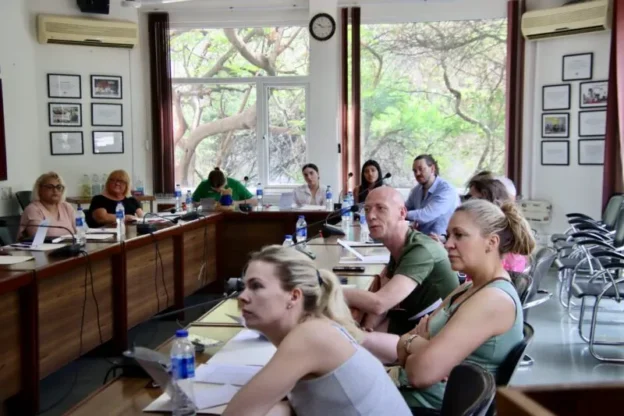
Just a few days after I joined PRIA, I walked into a Learning Circle on Arts-Based Research Methodology. Though I was familiar with the methodology, I still expected to learn about new tools and methods. What I did not anticipate was how an informal setting can go deeper and unsettle some of the assumptions about research, knowledge, and what it truly means to listen to others. 

The Learning Circle format included professionals working in the sector from across India, along with several international participants. The day began gently, in an open space. The facilitators invited the participants to introduce themselves, not only by name and affiliation, but by sharing one thing that gives them hope.  As responses moved from sunlight, music, and nature to moments of despair and uncertainty, the room quickly became more than a professional gathering. It became an effective and inclusive space where emotional honesty was not only permitted but valued.

This opening exercise set the tone for the day, reminding me that research is never neutral and that the people who conduct it carry their own vulnerabilities into the field. Arts-based research methodology invites such reflexivity as an essential component of knowledge creation.

Diverse Stories and Experiences

Stories were shared from different contexts, reflecting the diverse kinds of work participants were engaged in. The Learning Circle was designed to deepen our understanding of arts-based research as an alternative, participatory way of generating knowledge, especially in spaces where conventional methods often fall short. One thing that stayed with me the most was how arts-based methodologies create room for expression.

Hearing the experiences of violence shared by domestic workers, alongside examples of communities in Uganda using theatre and role-play to reflect on COVID-19 lockdown realities, demonstrated how art can hold pain, resistance, and hope simultaneously. It was not just research but a way where ownership takes place and transforms data into something rational and alive. 

Learning Through Photovoice

To explain what Photovoice method is, a small activity was conducted where participants were asked to capture an image that represents hope to them. The group exercise showed how interpretations are never singular. A plant, PRIA office signage, a library image, even a three-legged dog became symbols layered with resilience, scarcity, care, and survival.

I was struck by how easily we assume we understand what others intend to convey, and how much deeper our insights become when we pause to listen attentively rather than rush to interpret one of the core principles in arts-based research methodology.

Ethics and Facilitation in Arts-Based Methods

From my personal experience, I understood that although arts-based methods are deeply powerful, they are not inherently emancipatory. Their impact depends entirely on how ethically and skilfully they are facilitated. This challenged my earlier assumptions about creative approaches.

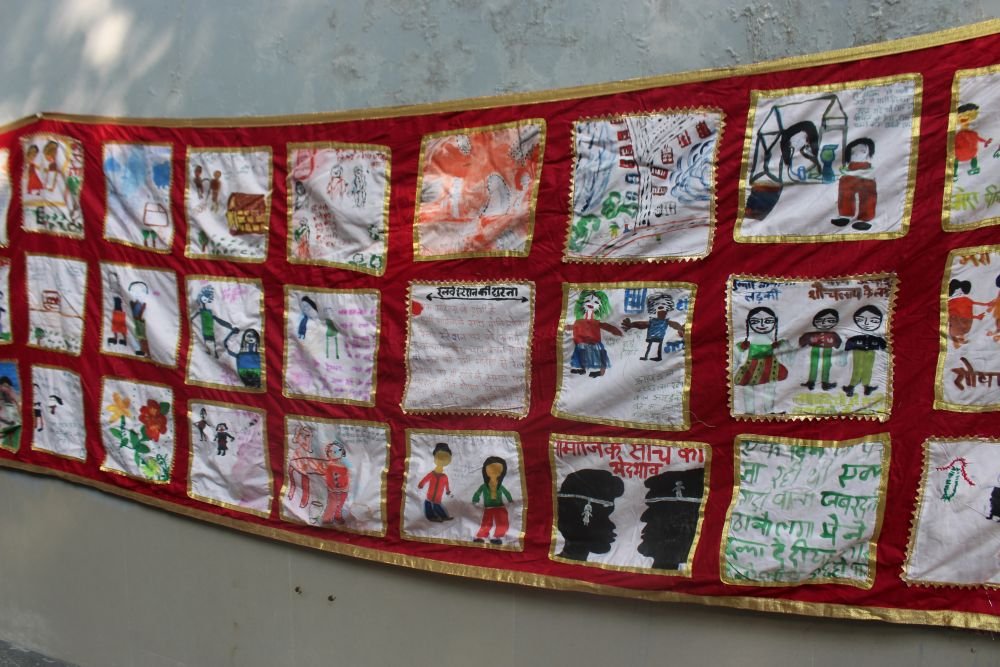
For instance, when we heard about women domestic workers documenting experiences of violence through a collectively created saree, it was clear that the method worked not simply because it was art, but because it created a safer alternative to verbal disclosure which allowed women to express, protect themselves, and still retain ownership over what they chose to share.

Similarly, the use of theatre and role-play in Uganda showed how participation, consent, and emotional safety could be built through a process that was dialogic rather than confrontational highlighting how arts-based research methodology can be applied in diverse, sensitive contexts.

Key Takeaways on Arts-Based Research

I came away with a clearer understanding that arts-based research demands emotional literacy, trauma-informed practice, and humility, especially in settings where we enter communities as outsiders.

1. Learning Circles as Transformative Spaces

As the session ended, it became clear to me that PRIA’s learning circles are more than training programmes. They are intentionally held spaces for dialogue, reflection, and collective inquiry, where practitioners, researchers, and educators from diverse contexts pause, question dominant ways of knowing, and learn alongside one another.  It gave me a renewed sense of responsibility as a researcher and practitioner. 

2. A Unique Opportunity for Participatory Learning

For anyone seeking research practices that are grounded, participatory, and deeply human, PRIA’s Learning Circles offer something unique. They invite you to listen beyond words and imagine more just and creative ways of producing knowledge.

What made my experience even more meaningful was meeting people from diverse contexts, across sectors, geographies, varied languages, and lived realities which turned the Learning Circle into not just a space for learning, but also for shared reflection, connection, and networking. Arts-based research methodology lies at the heart of this transformative experience.

This experience reaffirmed the value of shared learning spaces, and why I would return to them again.